 Sandalsand Norge >>
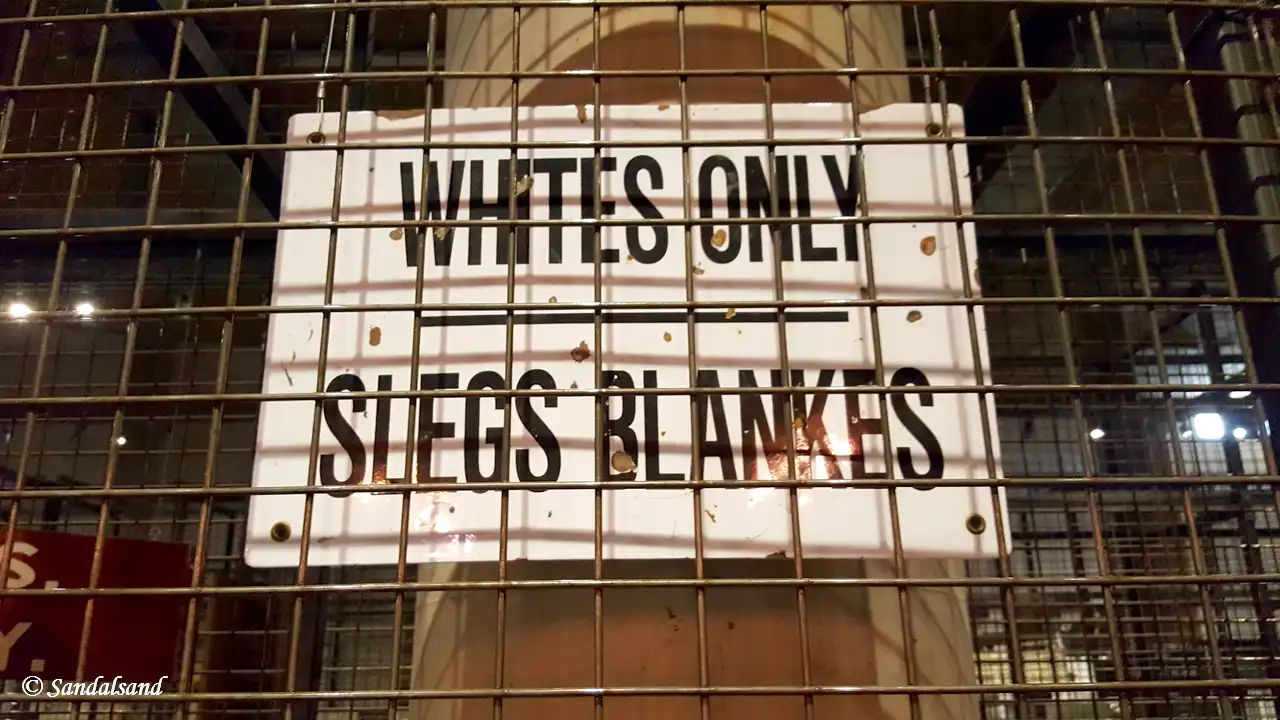
Explore Johannesburg in a day: Constitution Hill, Apartheid Museum, Soweto, and more on a guided tour revealing South Africa’s complex story.
Introduction
My visit to Johannesburg came at the very end of a memorable trip to five countries Southern Africa, in 2018. After several days on safari, I returned to urban life with an overnight stay in South Africa’s largest city. Wanting to make the most of the short time available, I joined a guided tour. It covered some of Johannesburg’s most important historical and cultural sites.
About Johannesburg
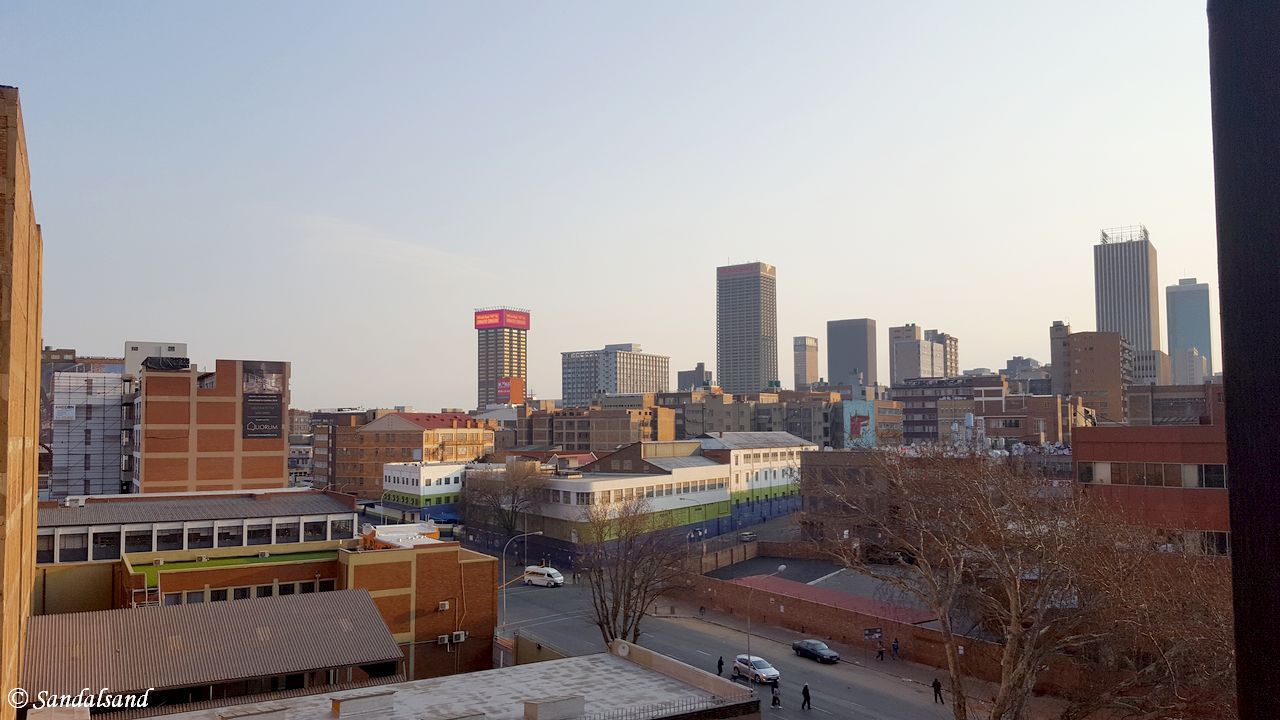
Johannesburg, often called Joburg or Jozi, was founded in 1886 following the discovery of gold on the Witwatersrand. The gold rush transformed the area almost overnight into a booming mining town. By the early 20th century it had grown into the economic heart of South Africa.
Today, Johannesburg remains the country’s largest city and its commercial powerhouse. The skyline reflects this wealth, but the city also bears deep scars from its turbulent past. This is visible in its architecture, urban divisions, and ongoing social contrasts.
Evening Arrival
I stayed at Hallmark House, a stylishly refurbished industrial building turned design hotel. It’s located in Maboneng, an area that has seen efforts at urban renewal. However, the hotel made it clear that the neighbourhood could be dangerous after dark.
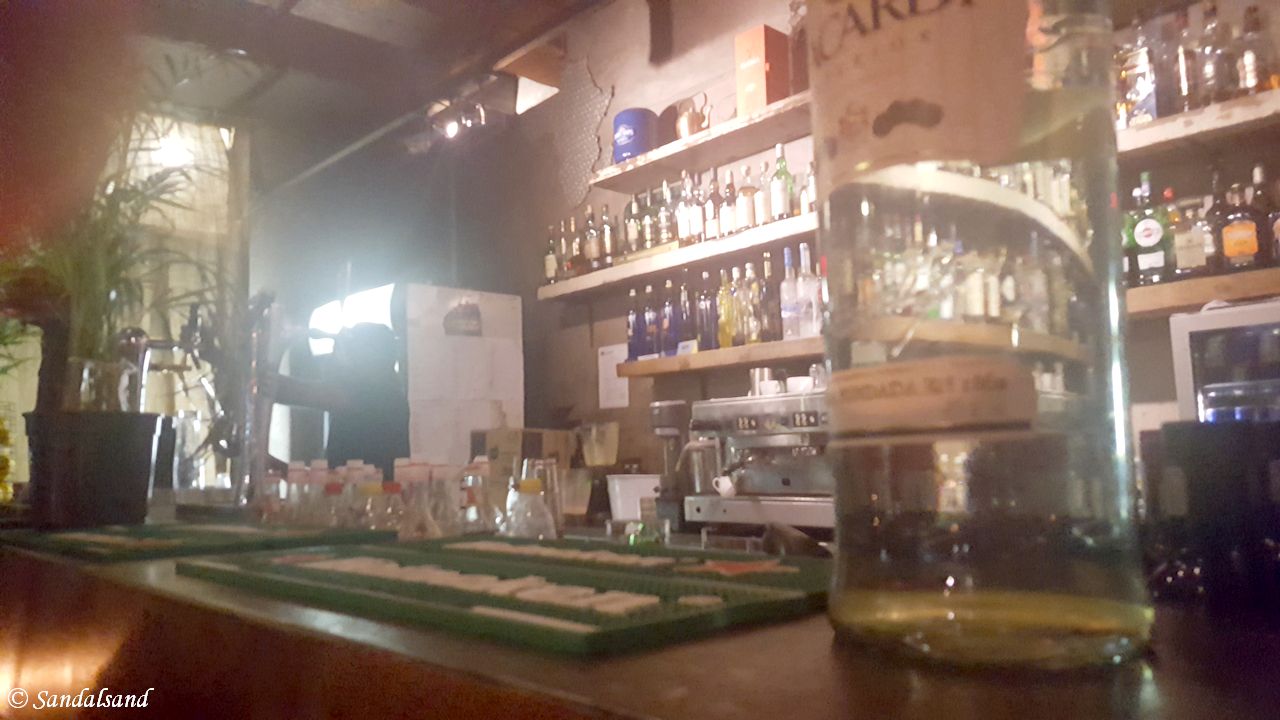
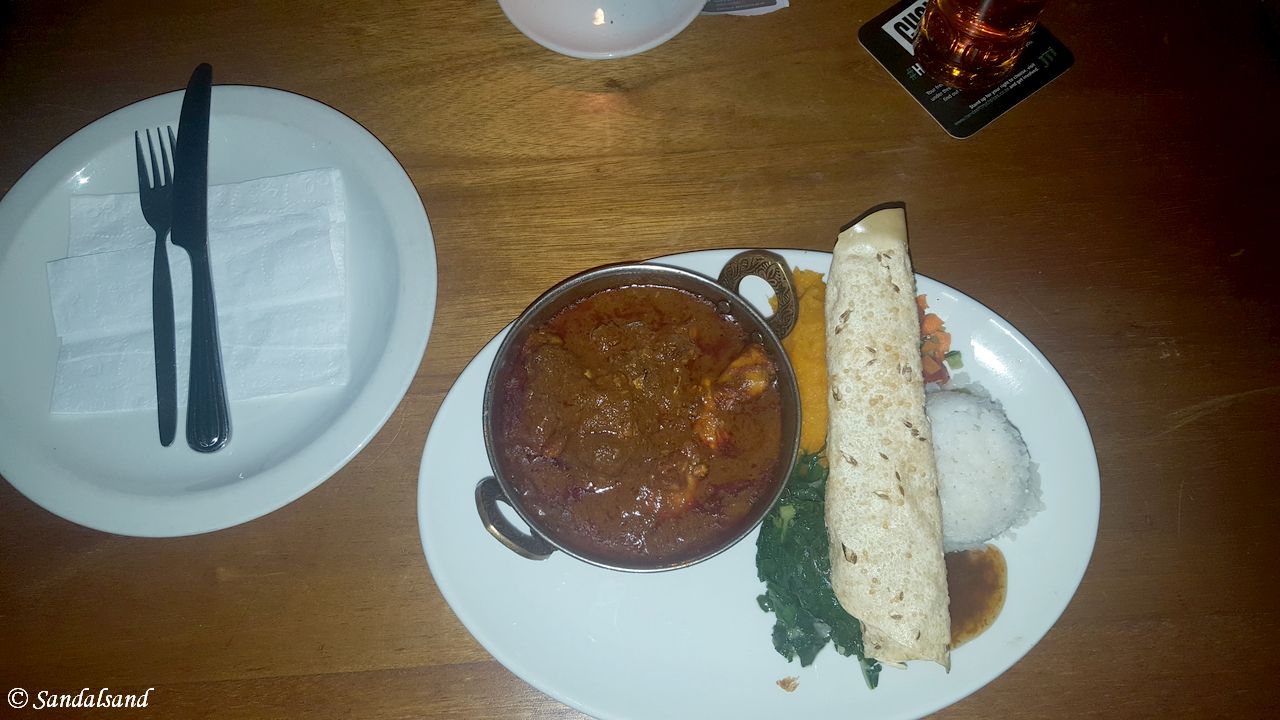
For this reason, the hotel provided a free shuttle service to nearby Pata Pata Restaurant, a lively and highly recommended place for dinner. The restaurant’s warmth, good food and live music contrasted sharply with the desolation and risk just outside. My driver refused to step out of his car for even a moment — a reminder that Johannesburg remains a city of both promise and peril.
I have travelled to many parts of the world over many decades but I have rarely felt unsafe. However, that evening I decided to explore Johannesburg on a guided tour. I managed to book one at MoAfrica Tours with pickup at my hotel.
A Day of discovery
The next morning, my full-day guided tour began. It offered a fascinating, sometimes sobering, look at Johannesburg’s history and its role in South Africa’s long road toward democracy.
Part One – Central Johannesburg
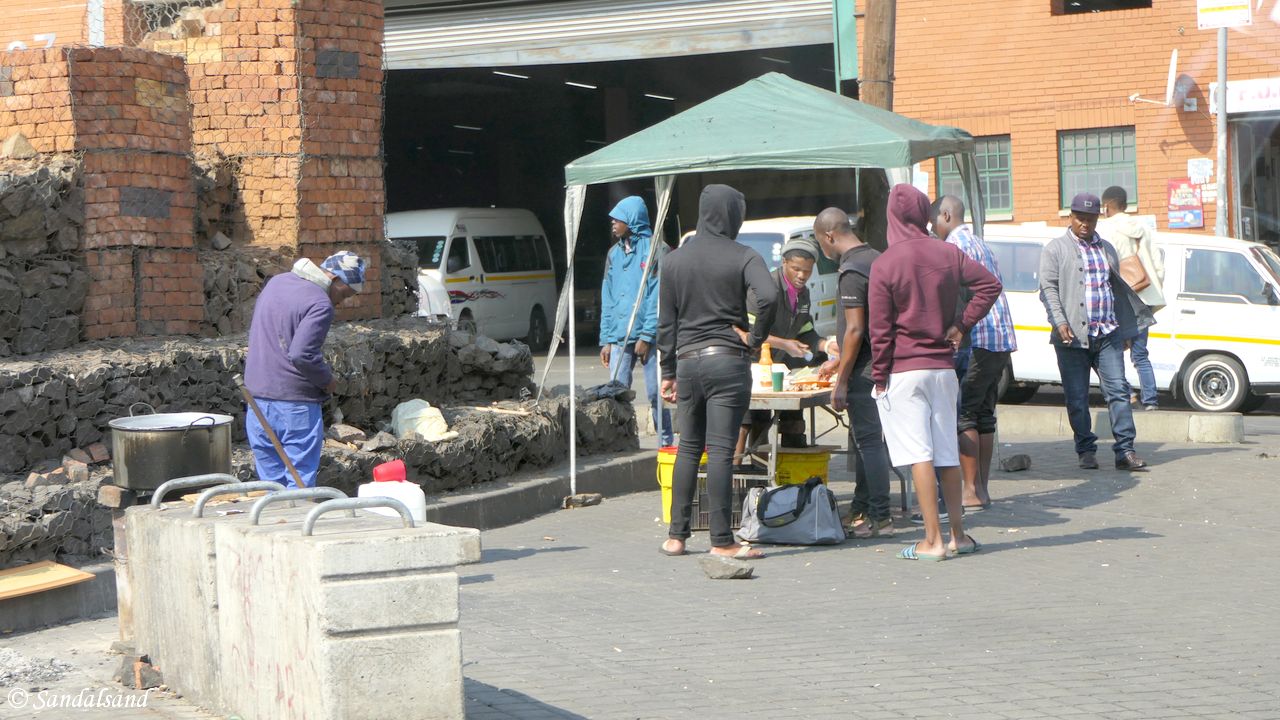
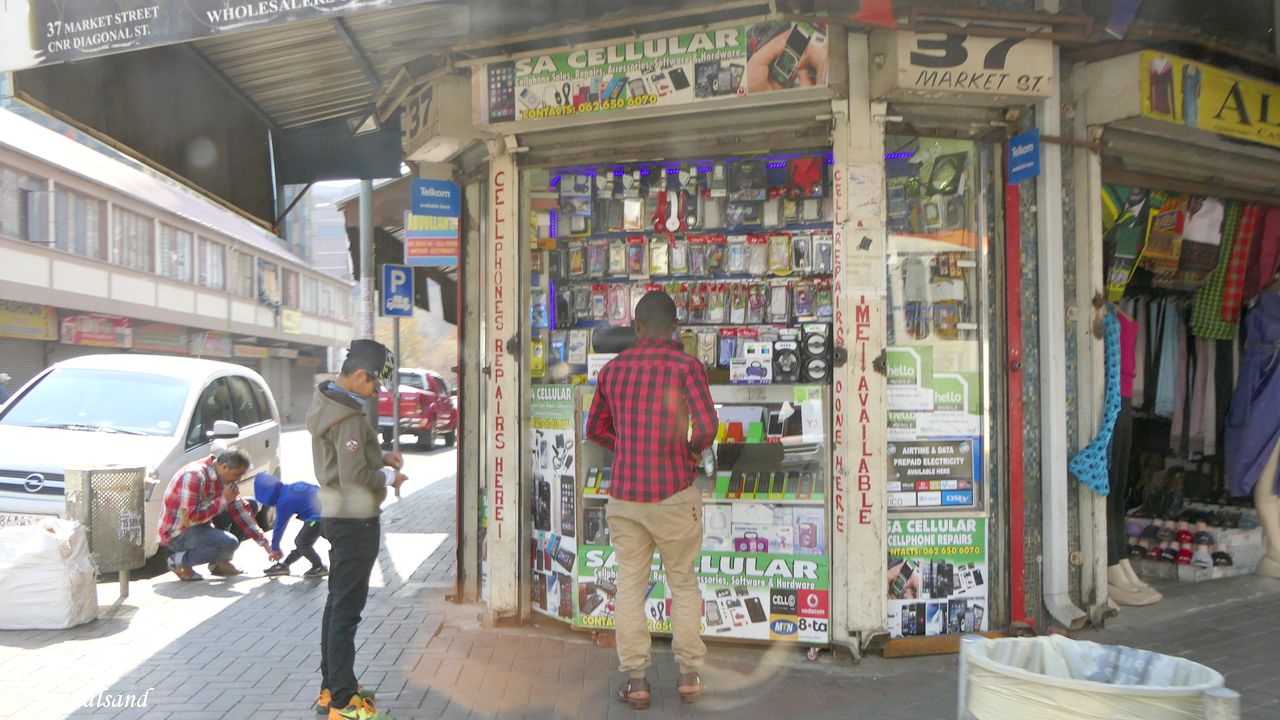
We started with a drive through Hillbrow, once an affluent district but now a densely populated and often troubled area. It was easy to spot glimpses of the city’s complex social layers.
At Constitution Hill, we explored several historic sites: The Old Fort, Number Four Prison, and the Constitutional Court of South Africa. This is a place loaded with symbolism. Once a notorious prison complex where both political and ordinary prisoners were held under harsh conditions, it now houses the nation’s highest court — a powerful representation of transformation and justice.
In 2024 UNESCO made "Human Rights, Liberation and Reconciliation: Nelson Mandela Legacy Sites" a World heritage site. Constitution Hill is one of the locations included in this listing.
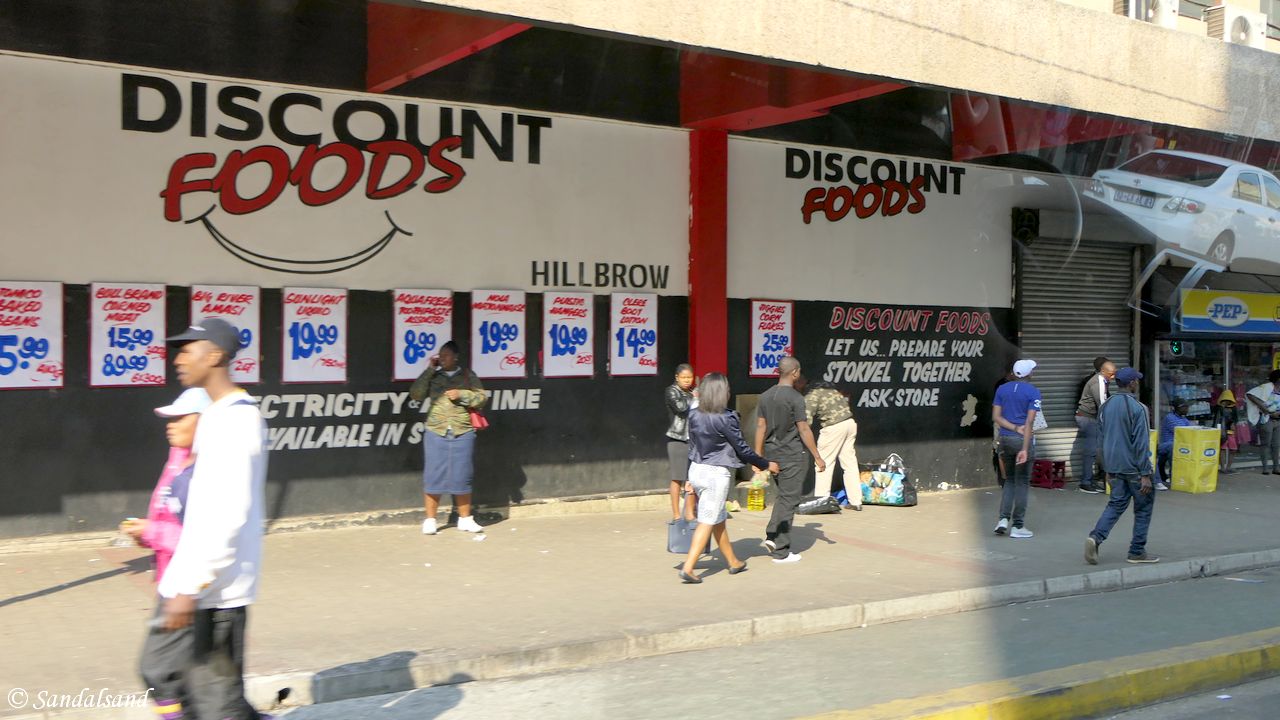
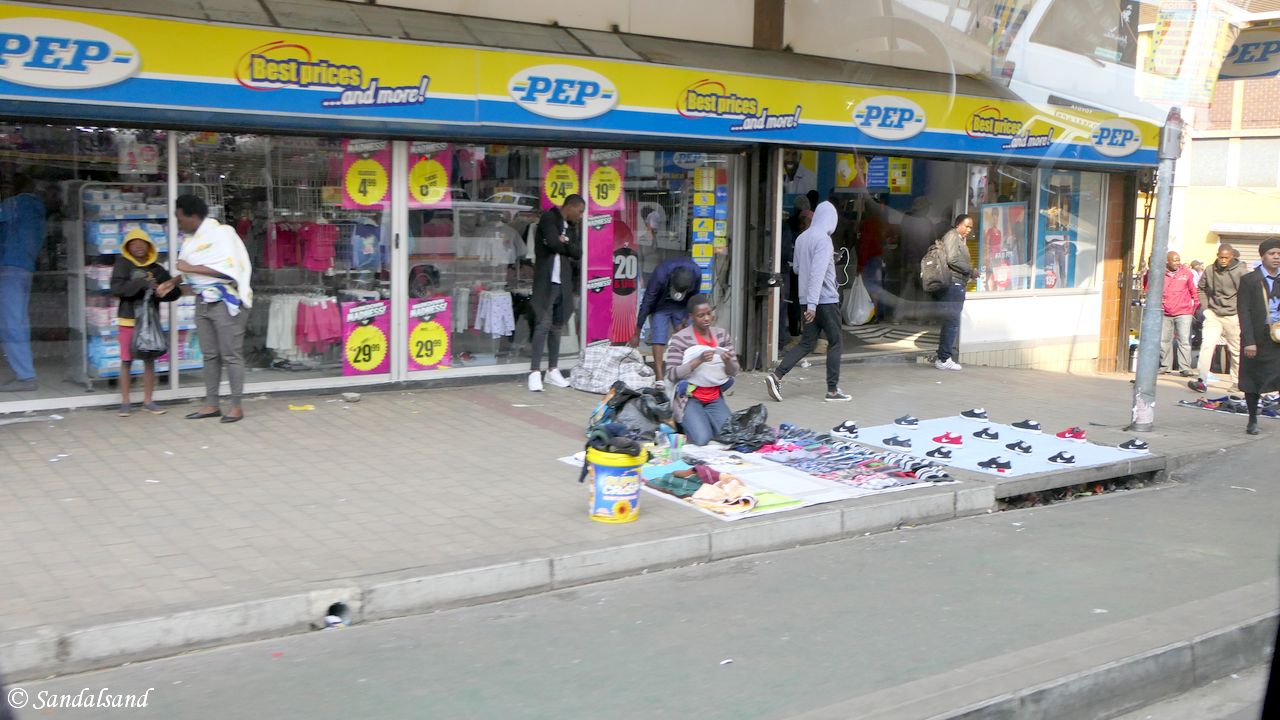
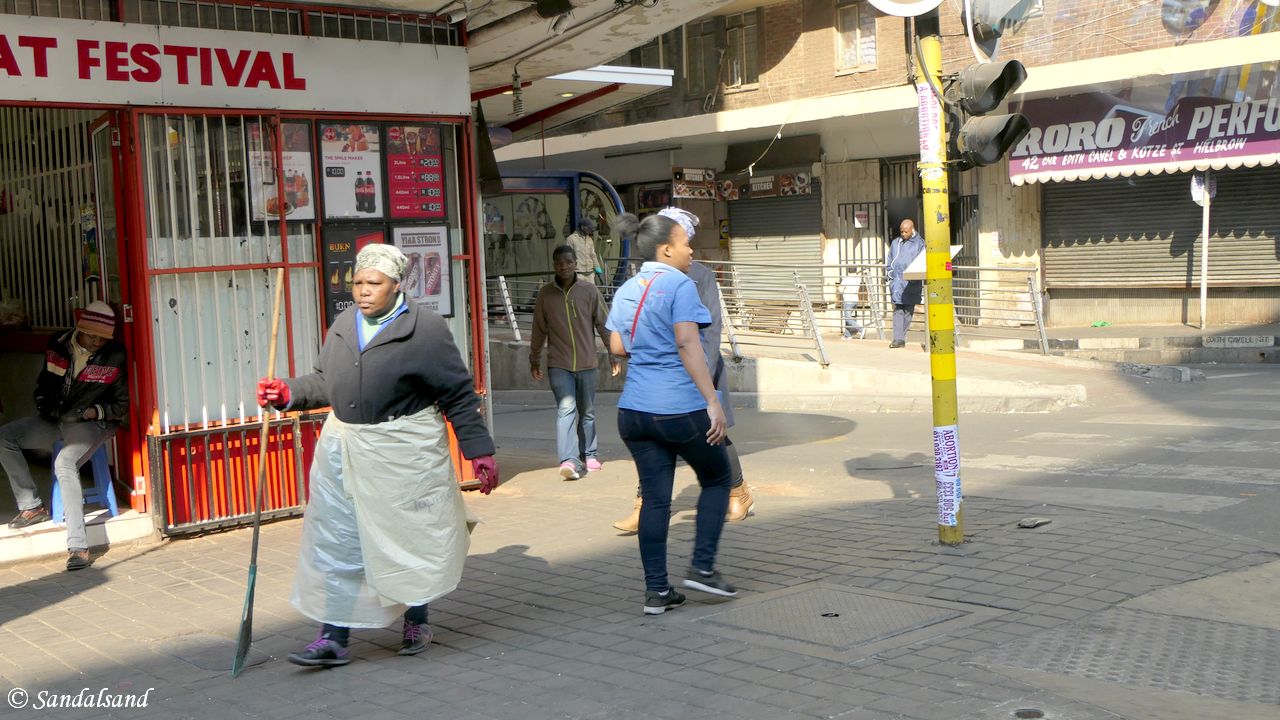
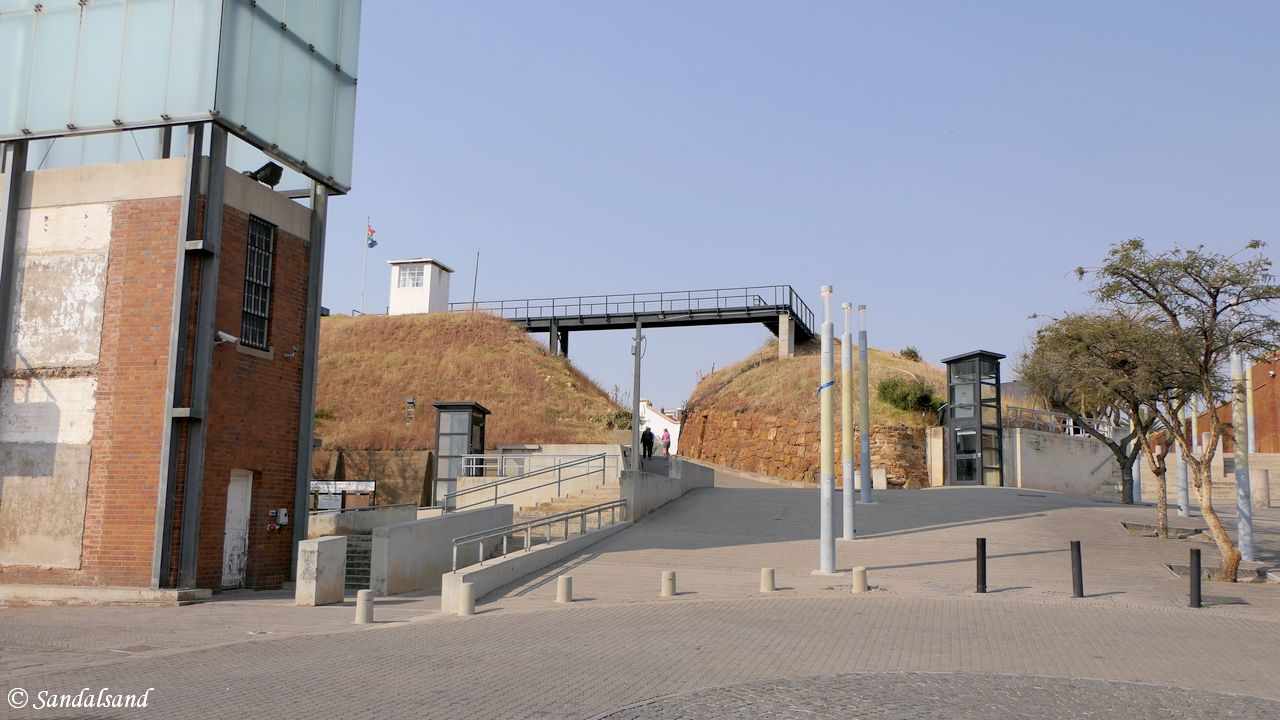
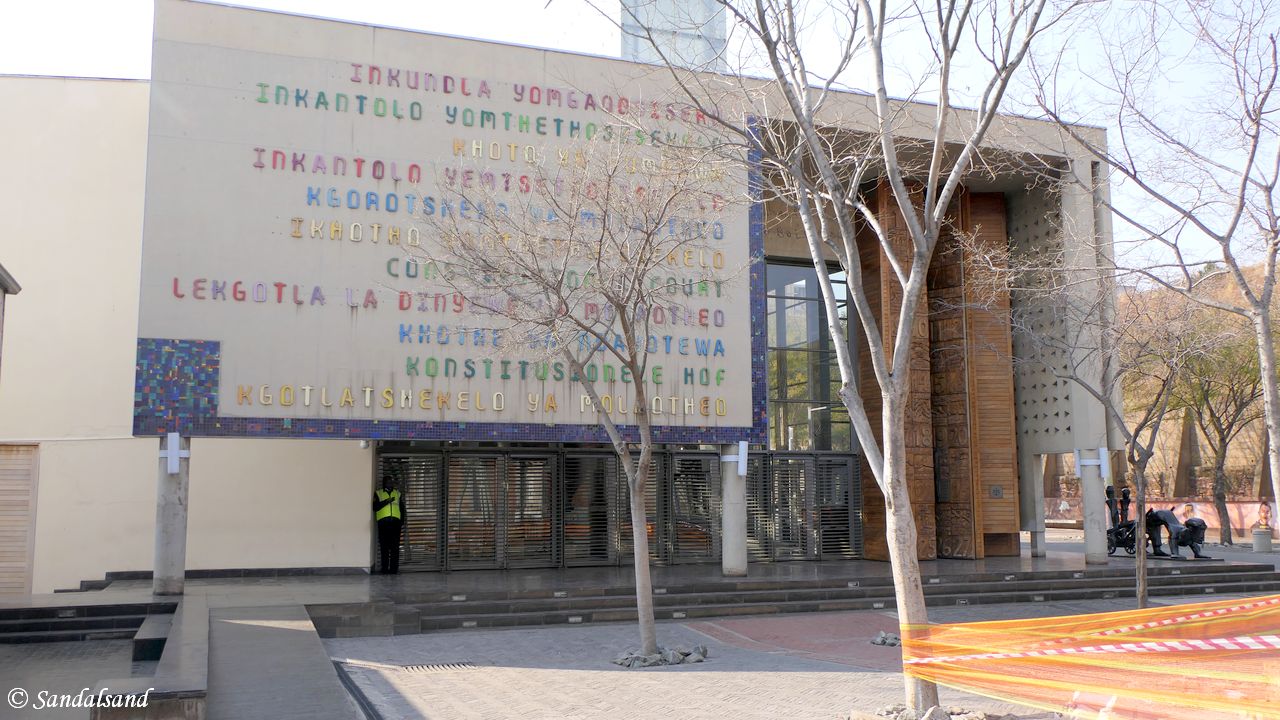
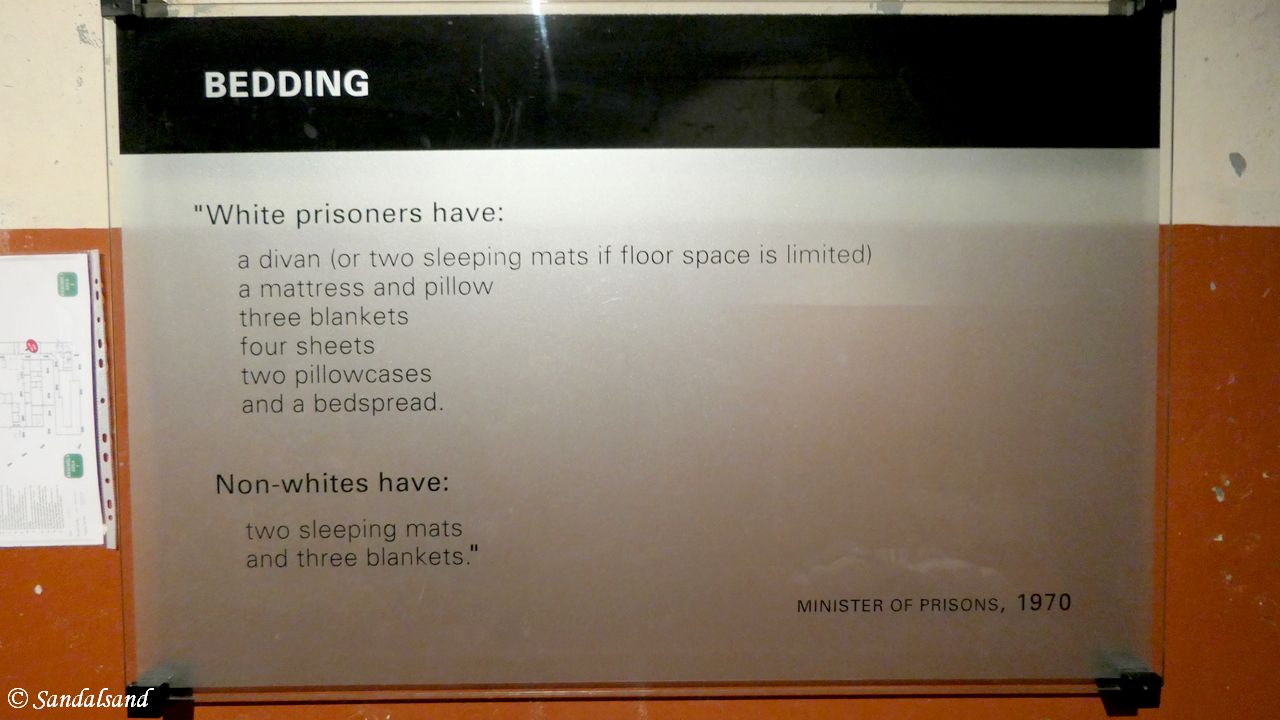
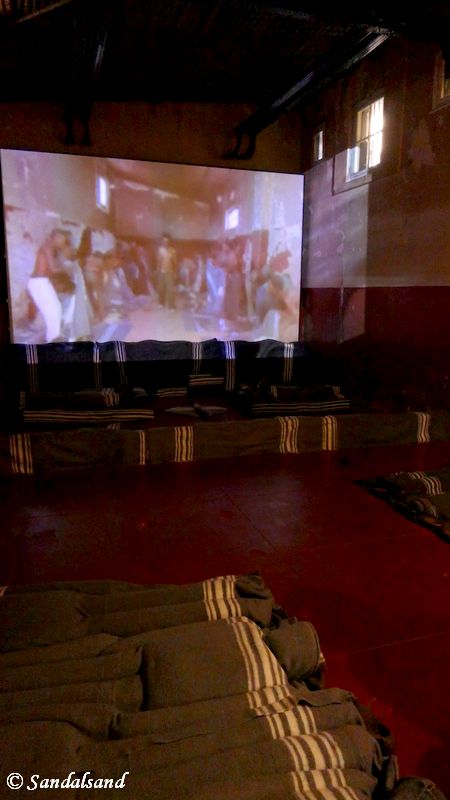
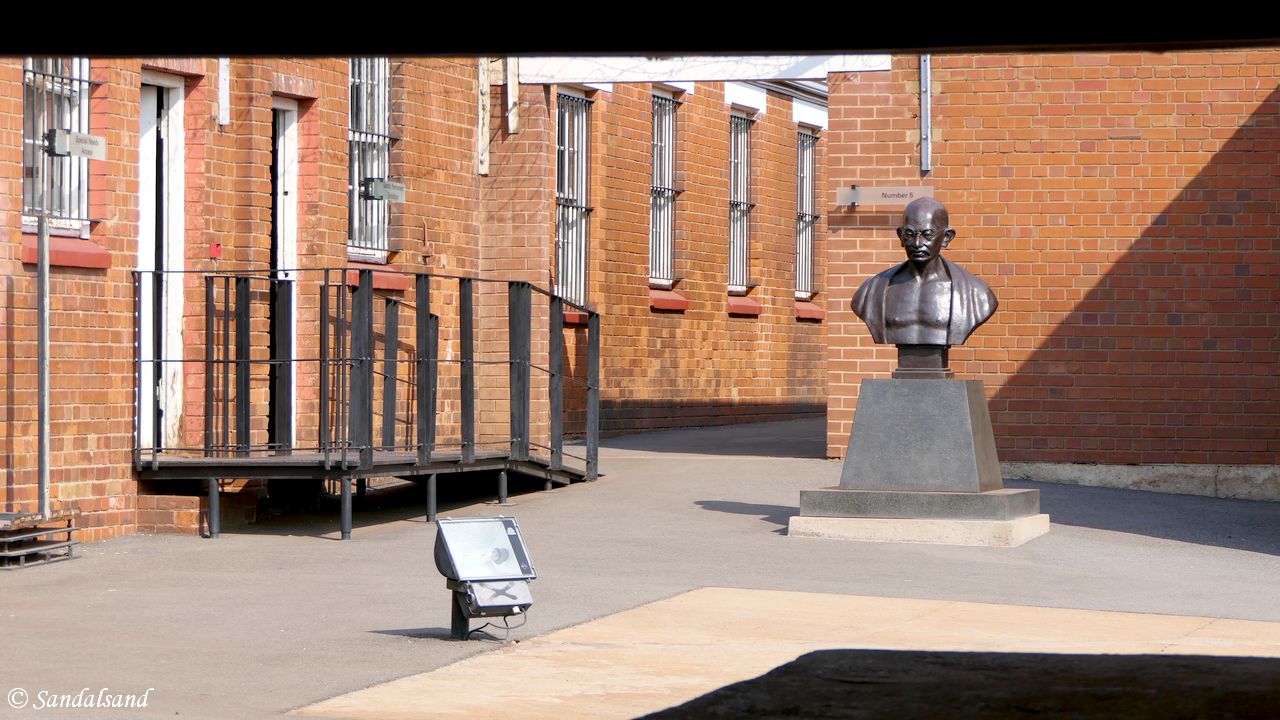
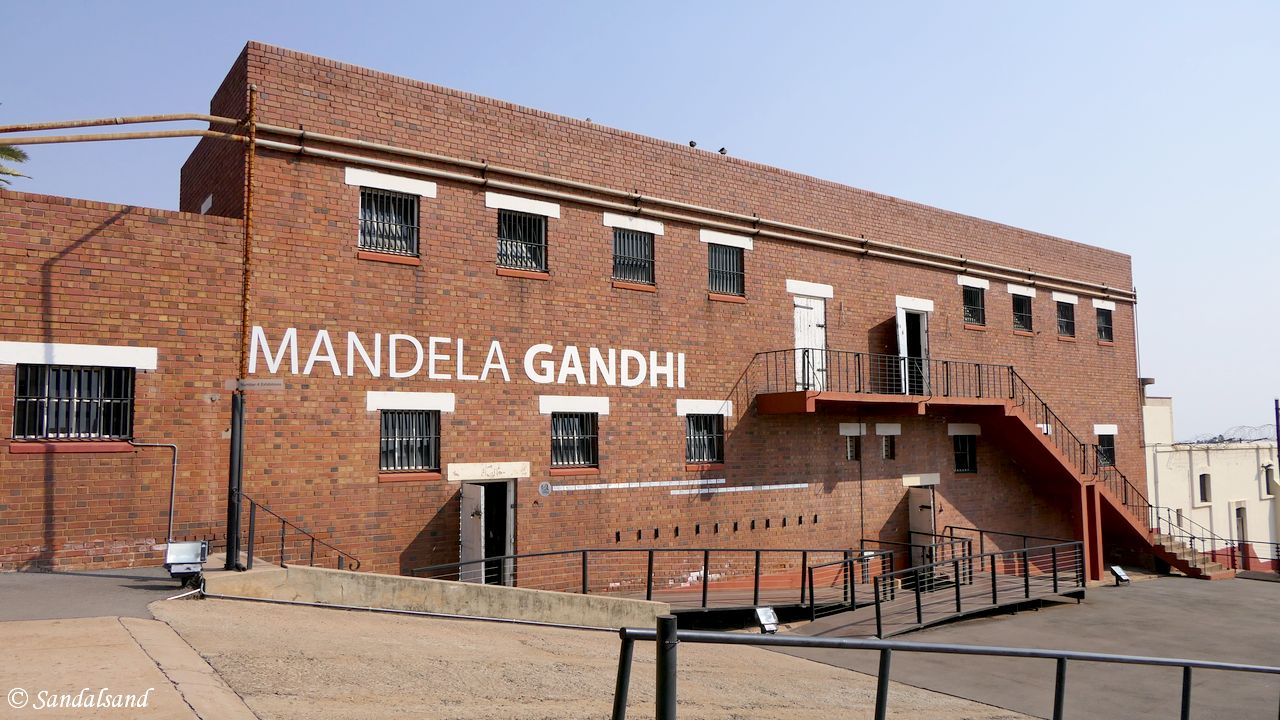
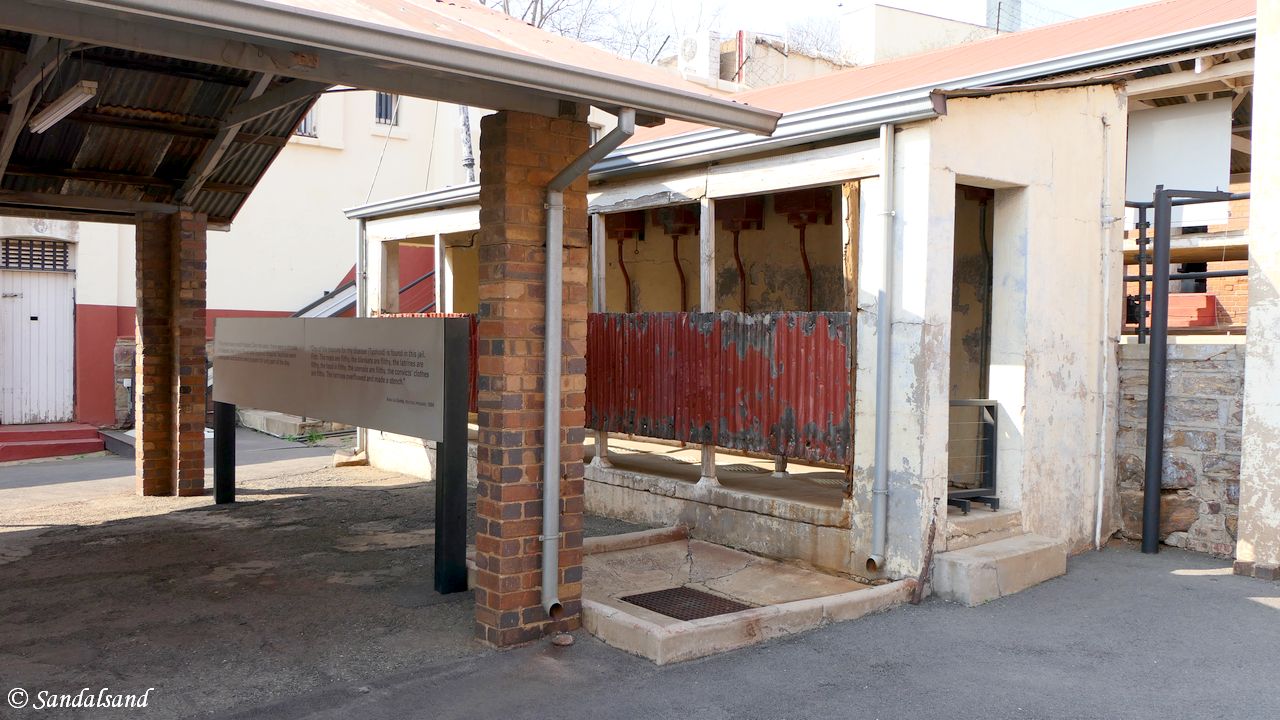
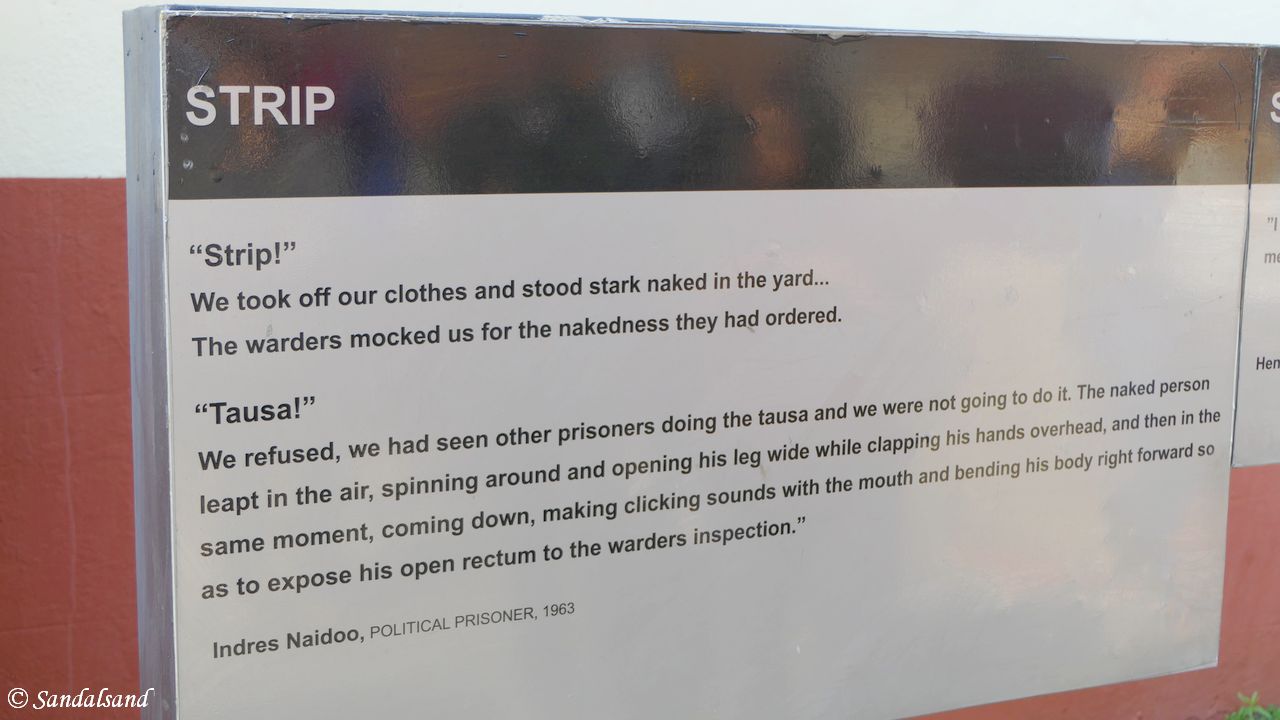
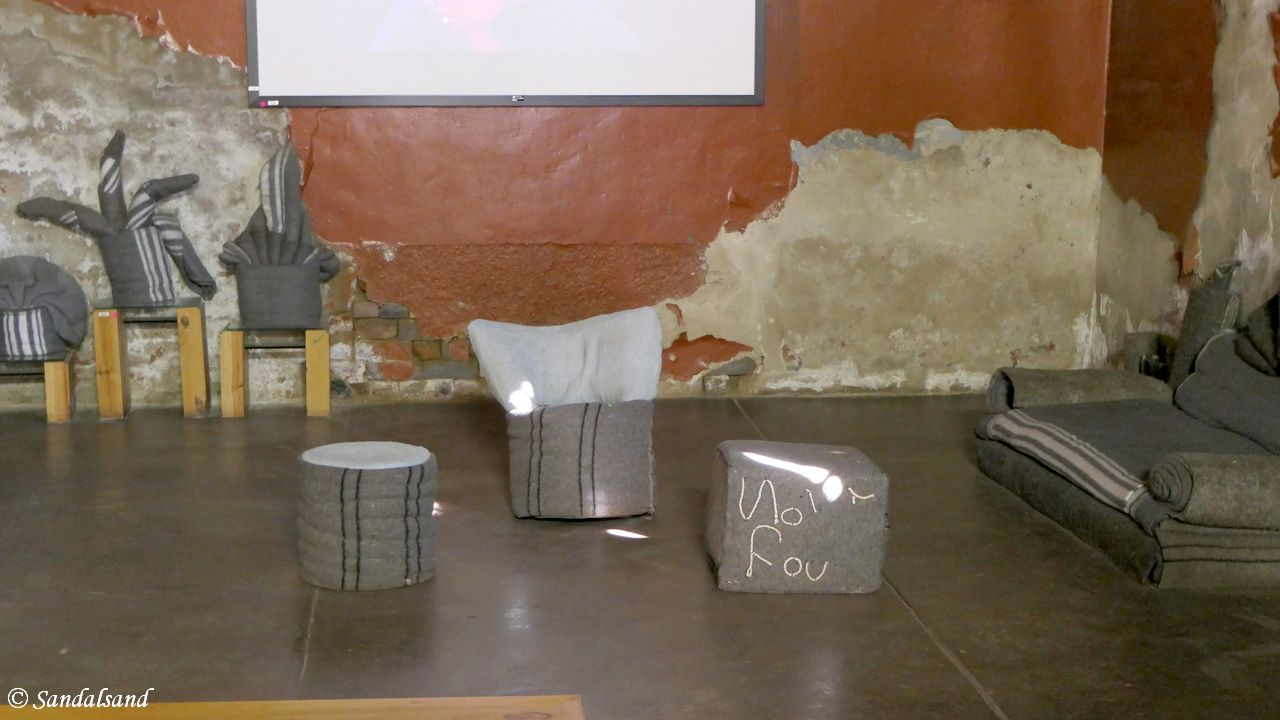
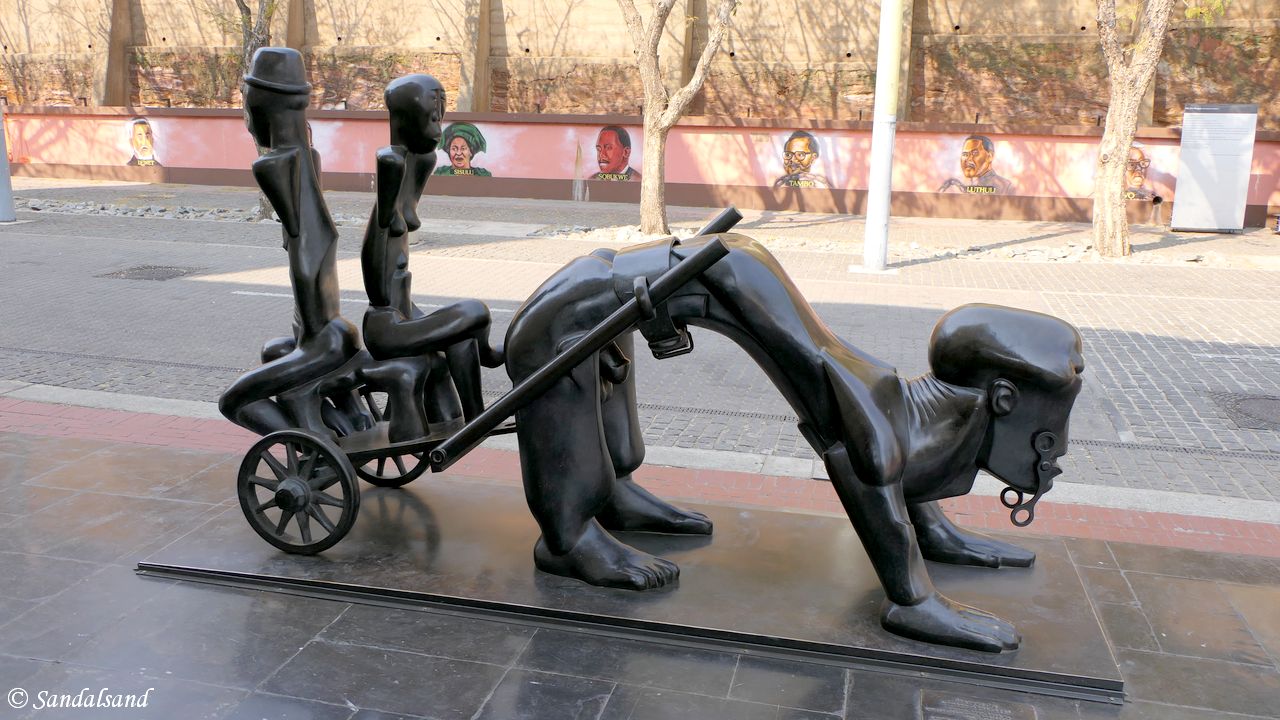
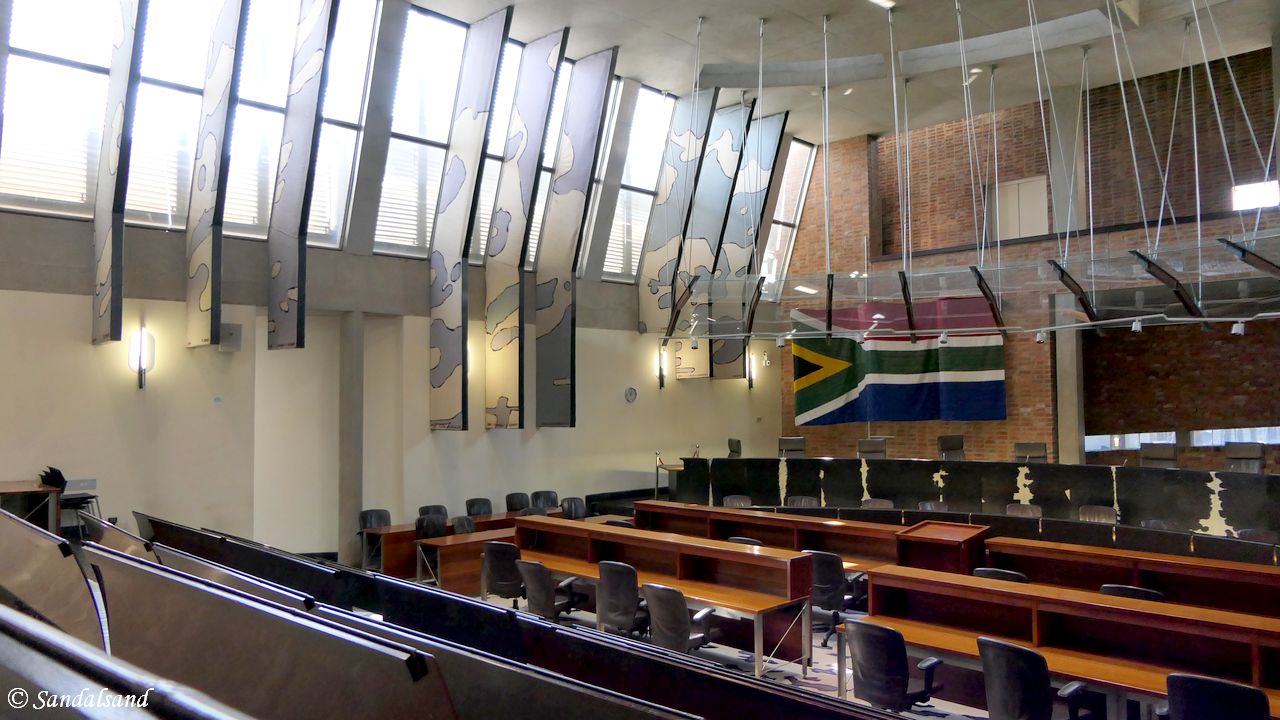
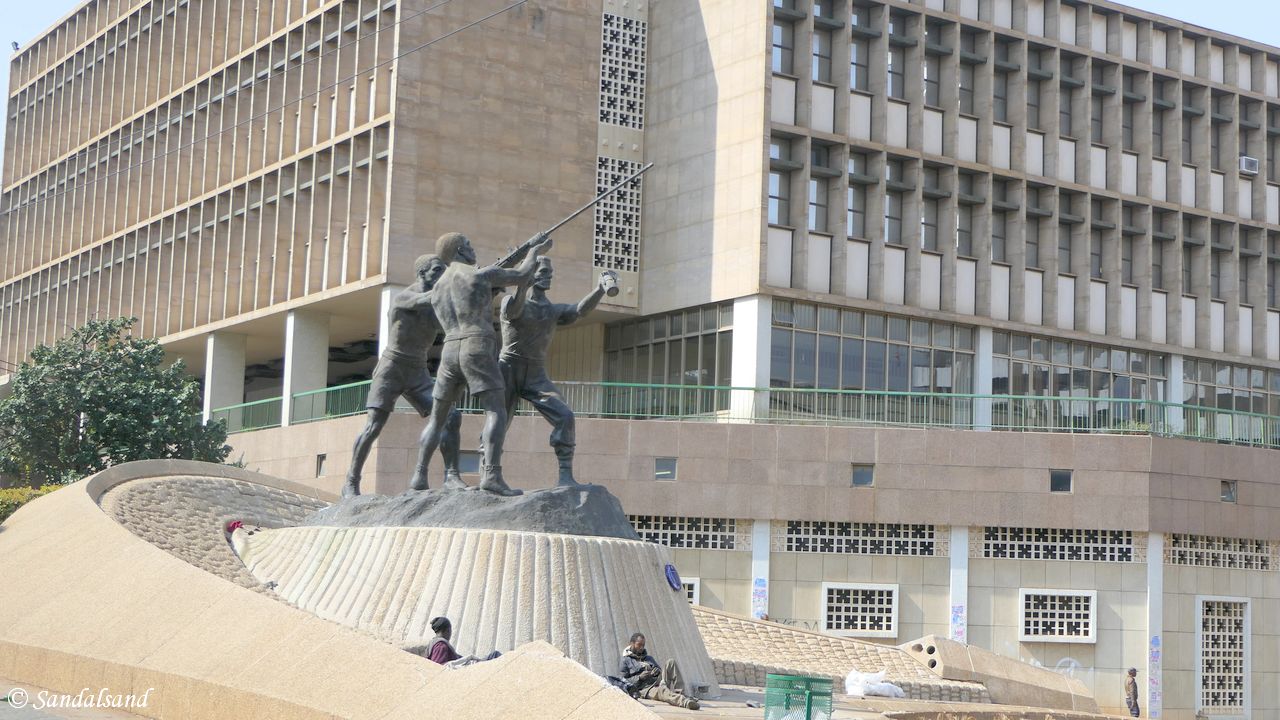
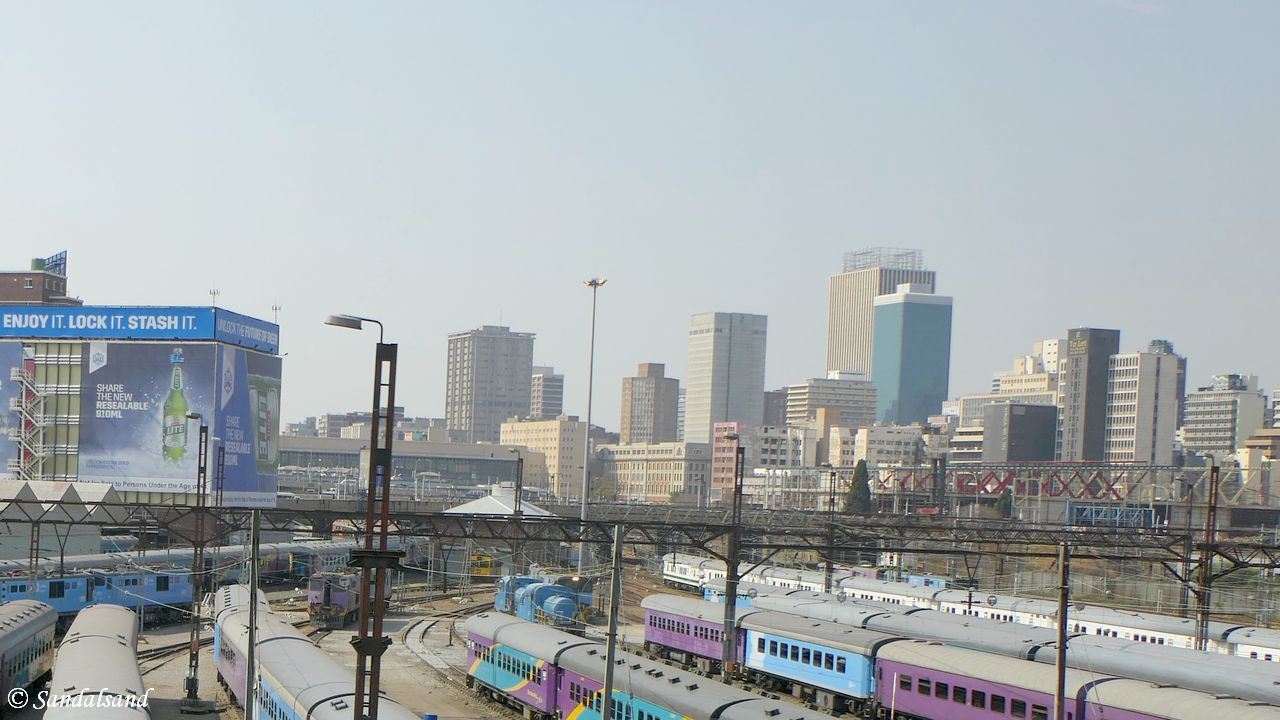
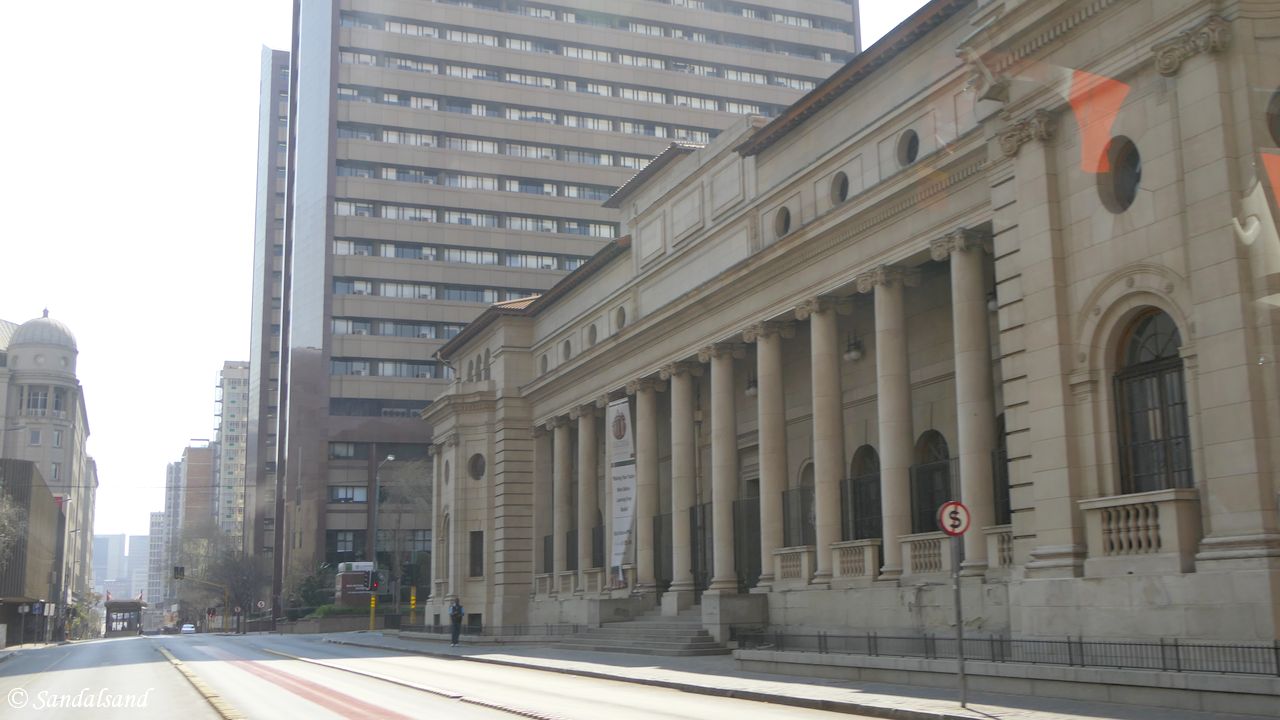
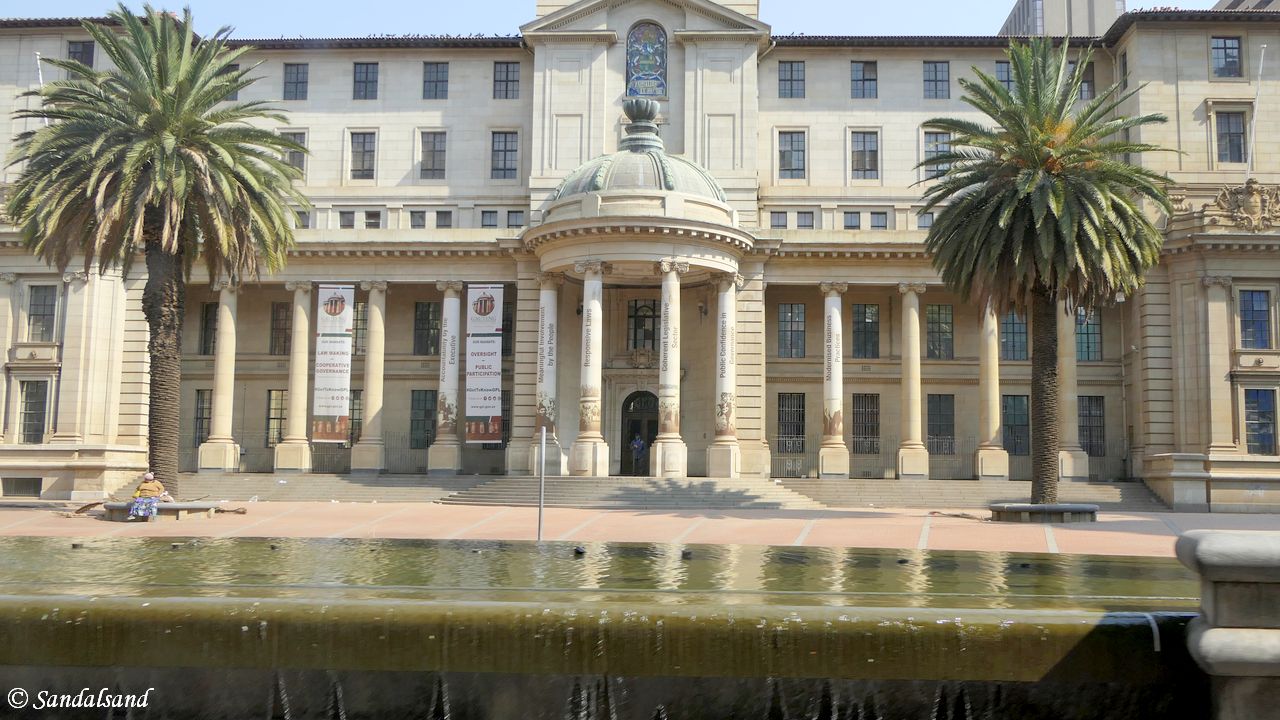
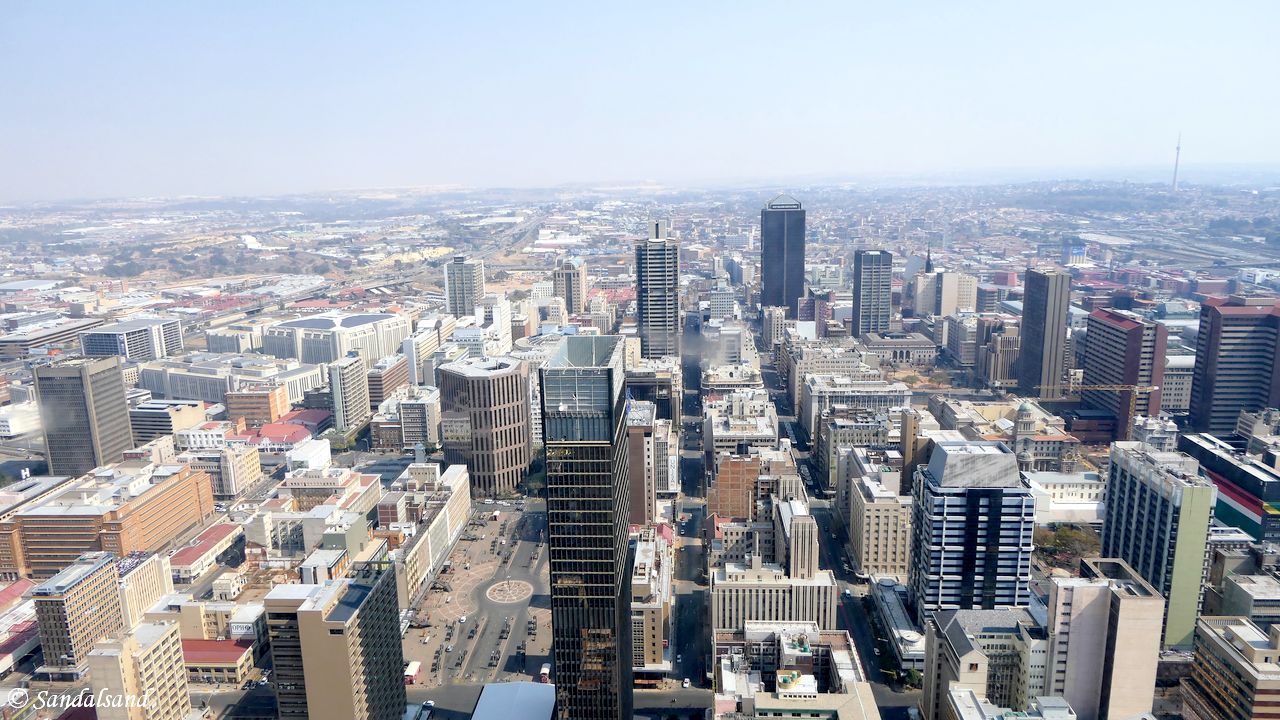
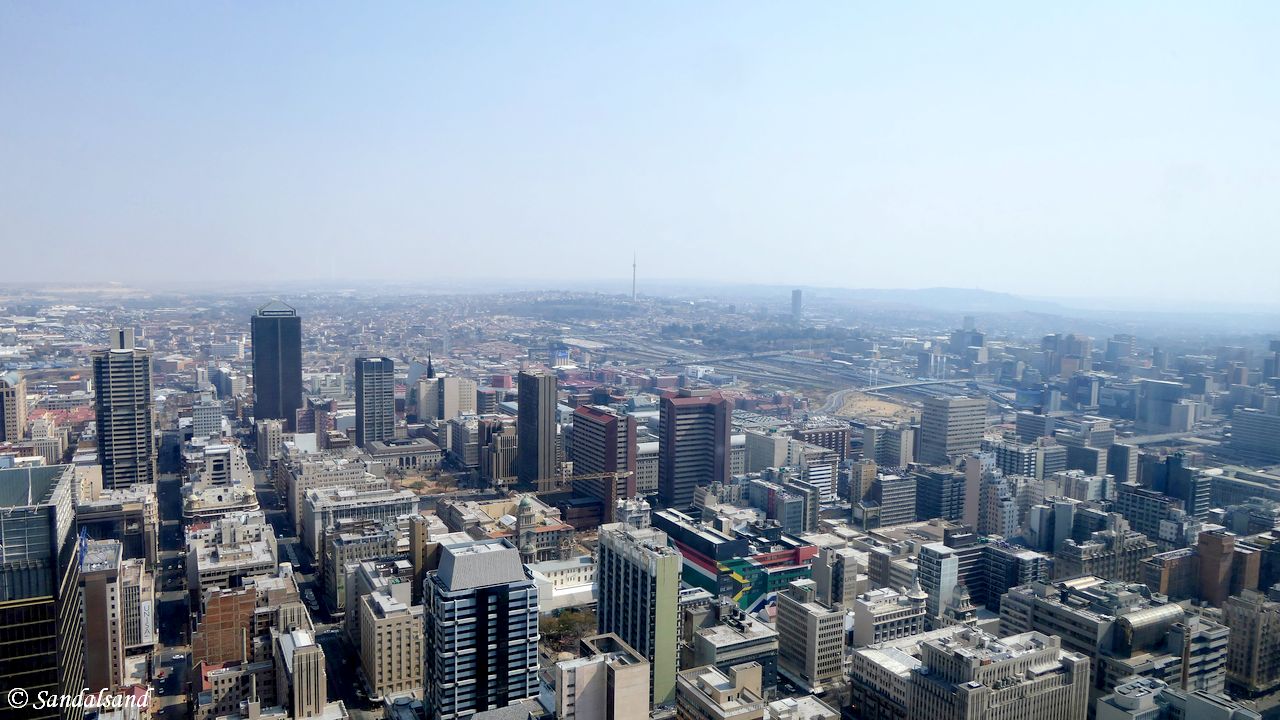
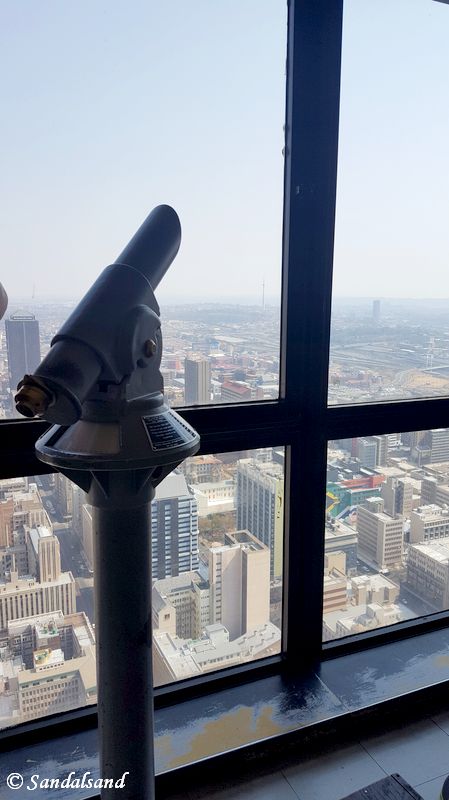
Continuing through the city, we passed landmarks such as the Gold Miners Monument, Nelson Mandela Bridge, City Hall, and the Carlton Centre. The view from the rooftop of the Carlton Centre, still one of the tallest buildings in Africa, revealed the vast sprawl of Johannesburg stretching in every direction.
Part Two – The Apartheid Museum
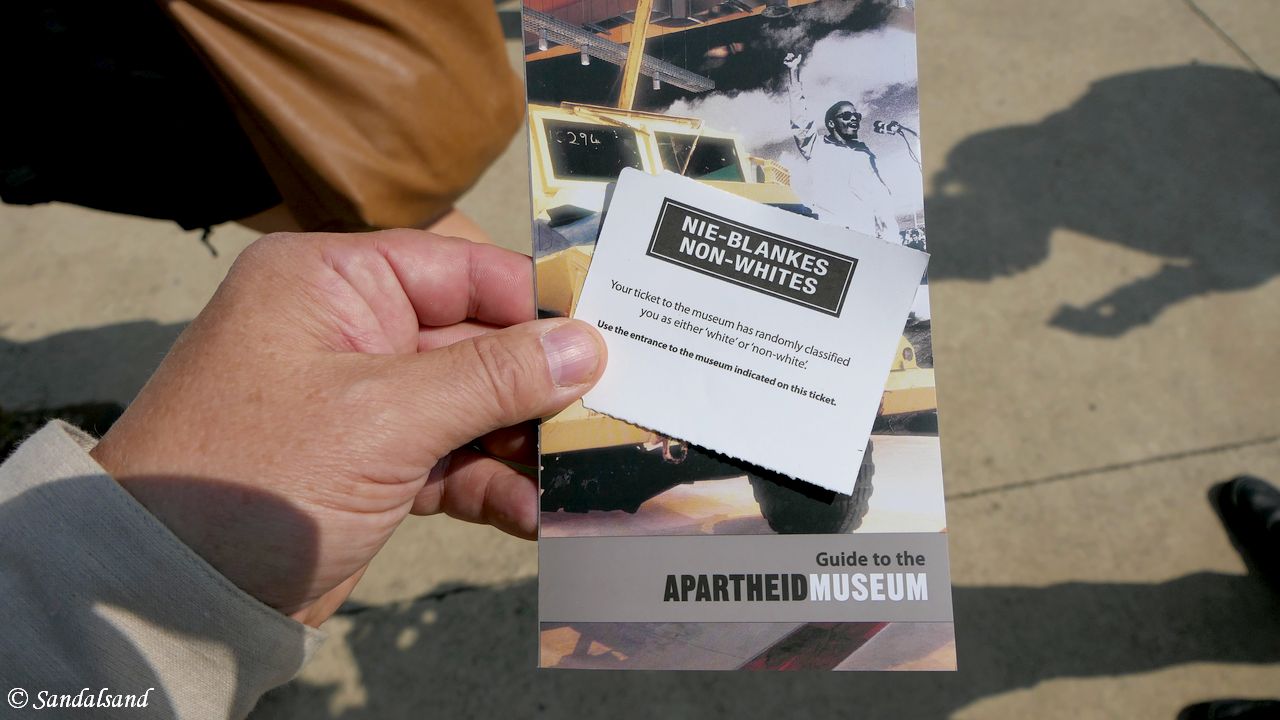
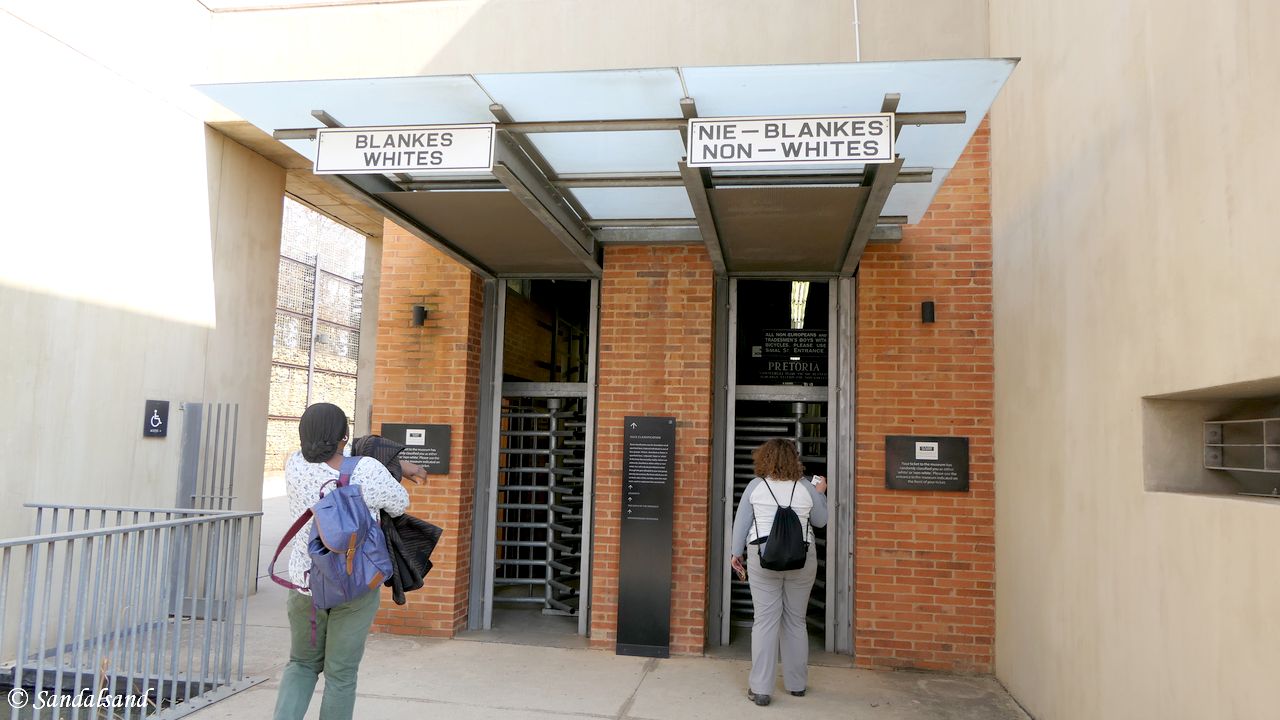
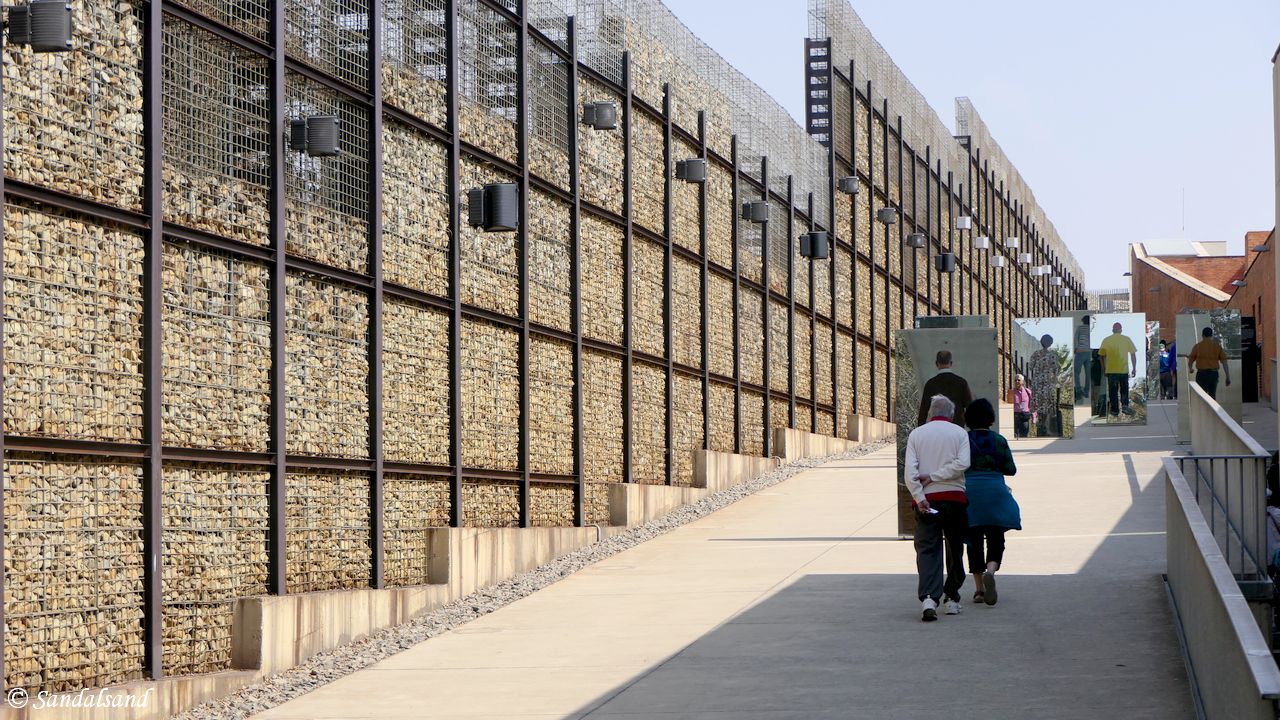
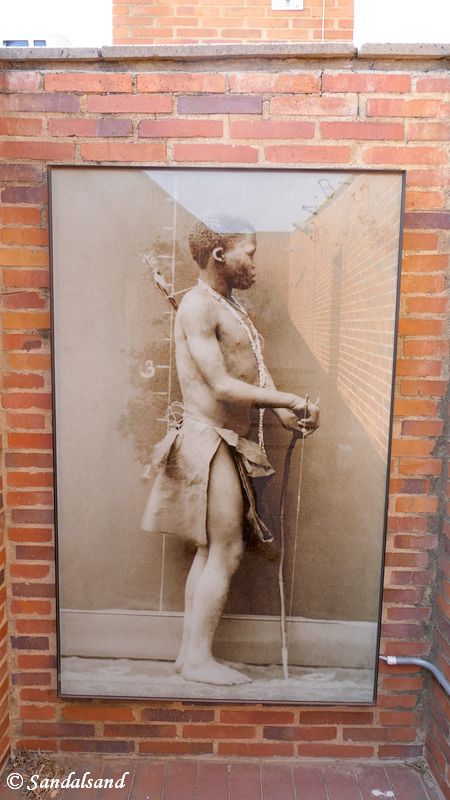
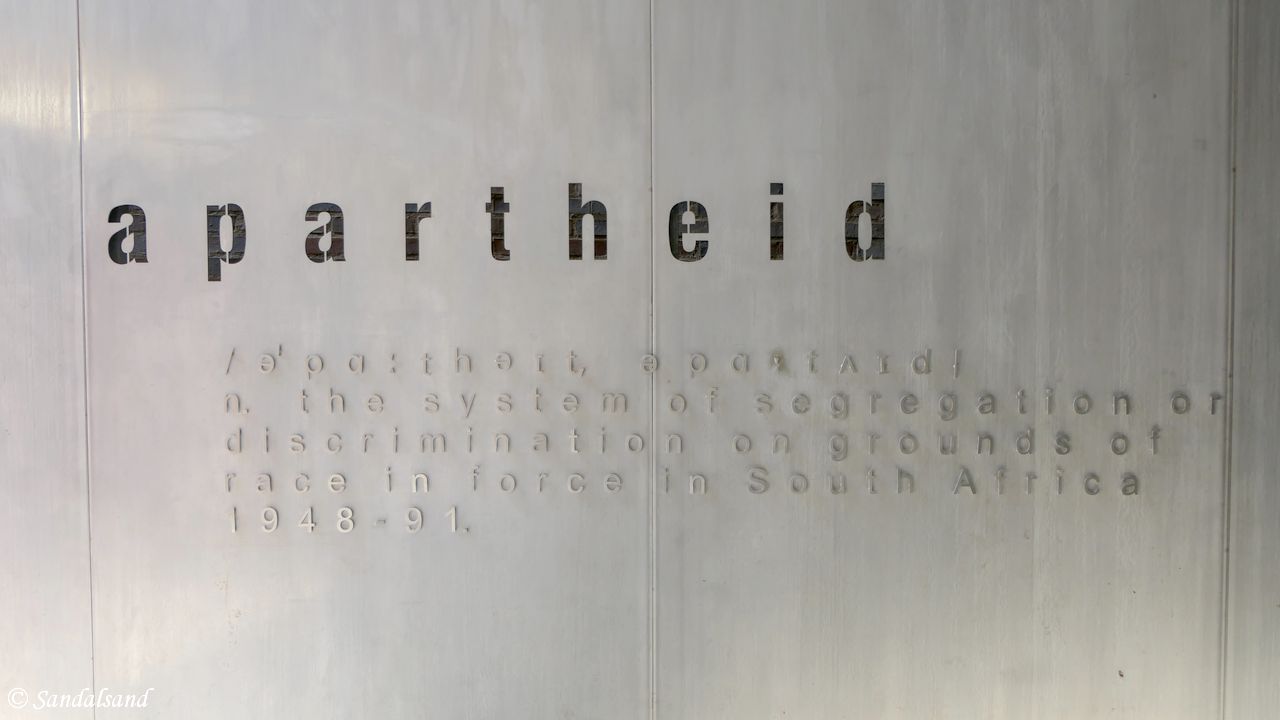
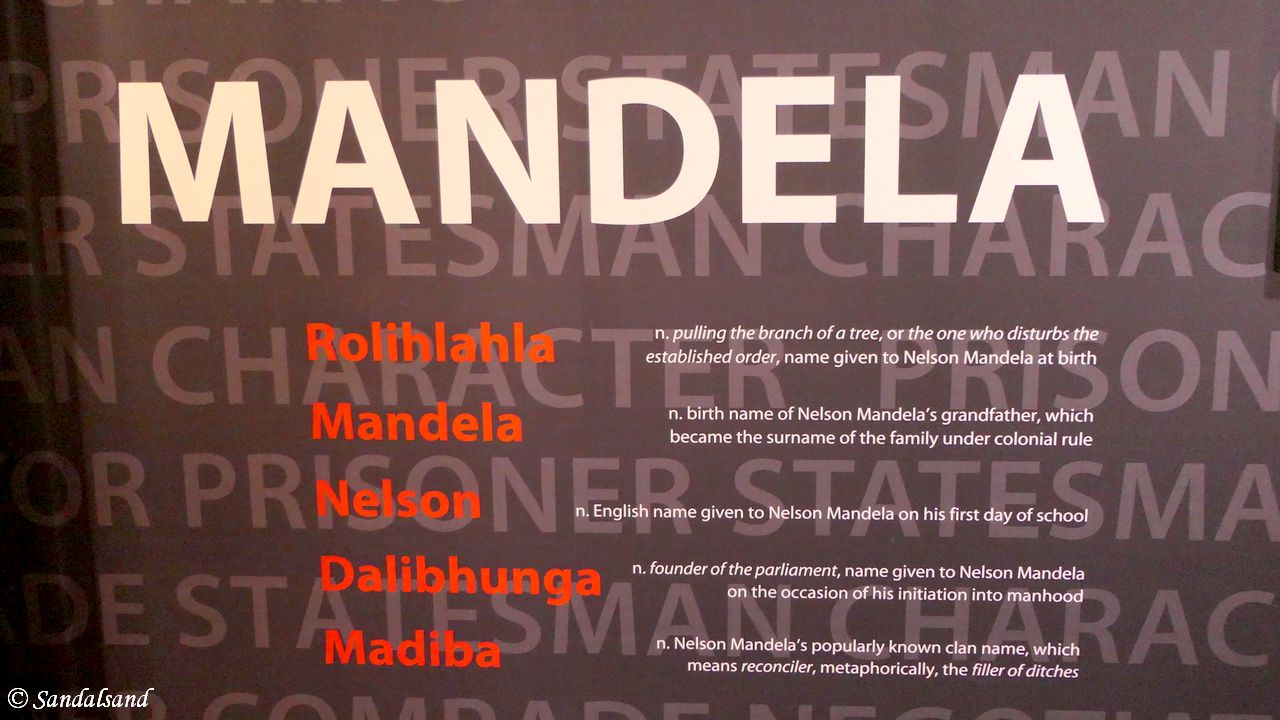
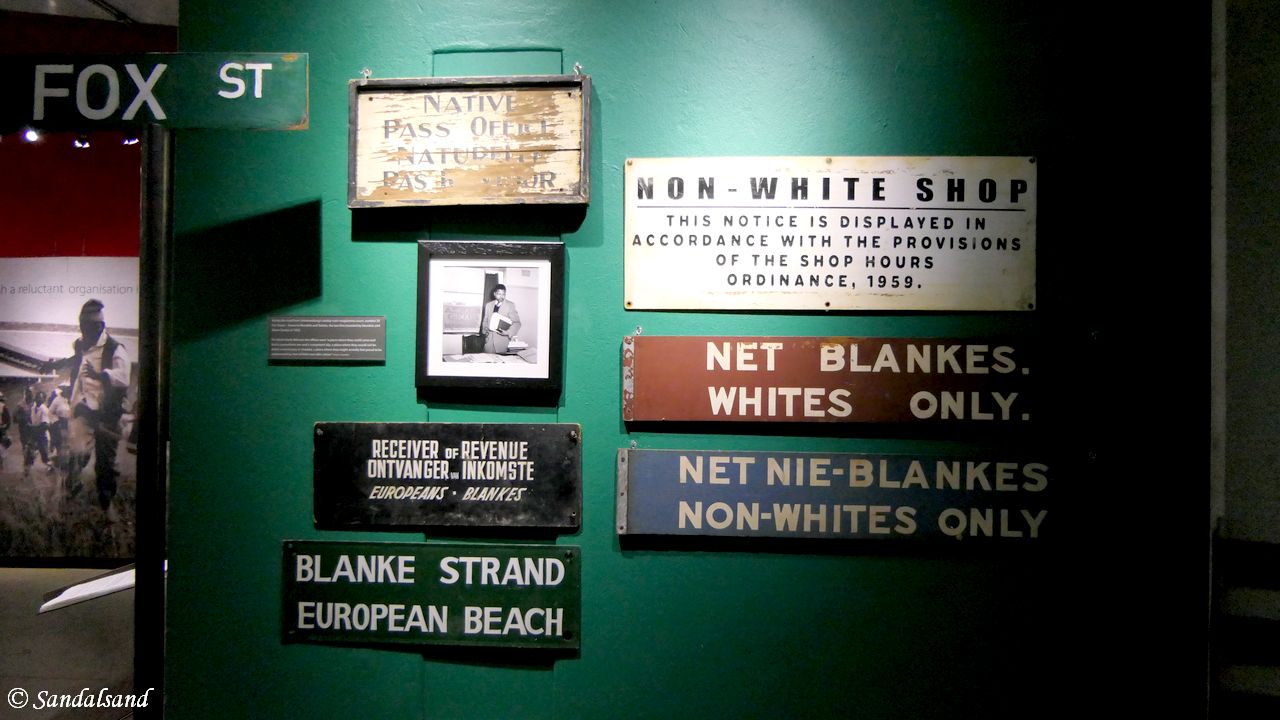
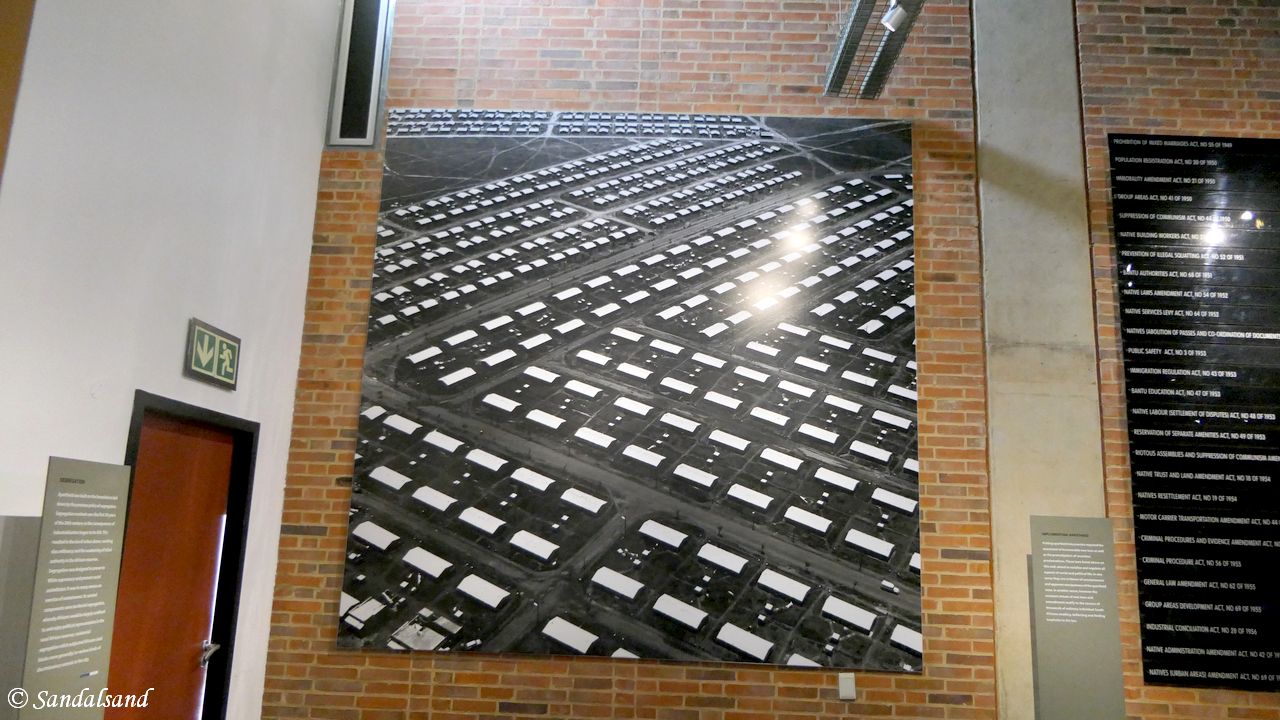
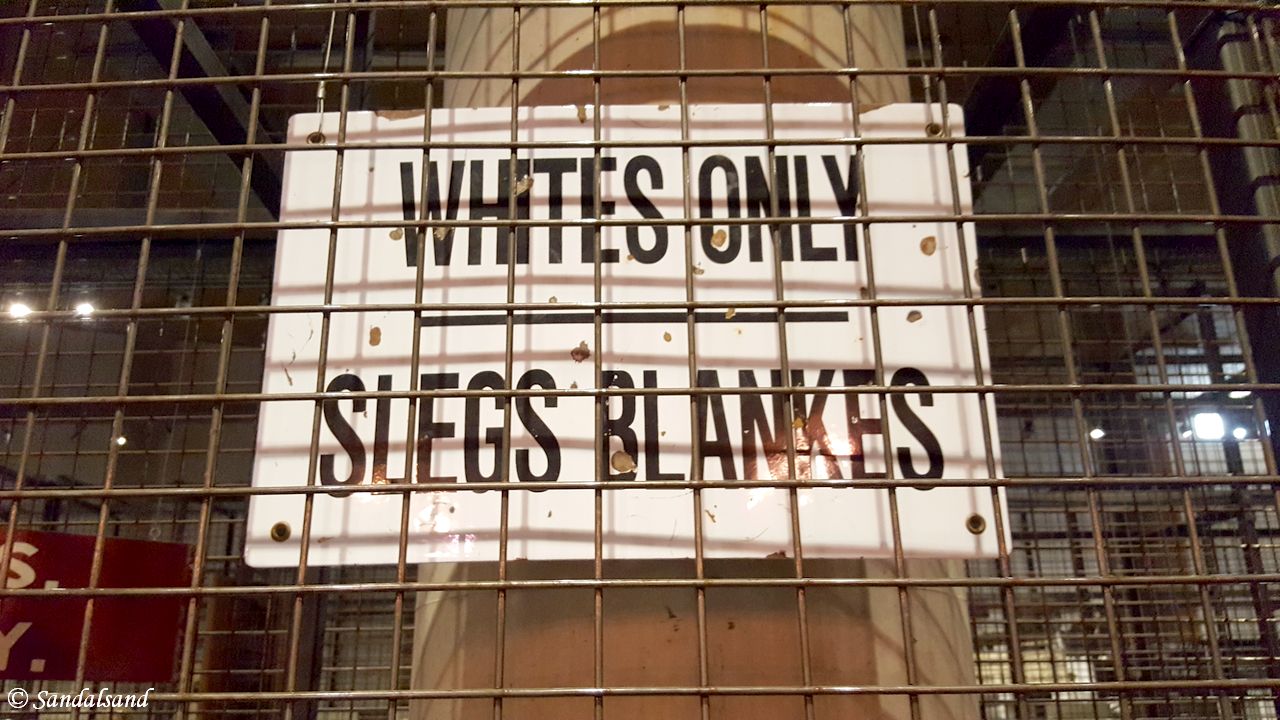
The Apartheid Museum provided one of the day’s most profound experiences. Its exhibitions trace the rise and fall of apartheid through multimedia displays, photographs, and personal testimonies. Walking through its stark corridors and immersive installations offered a chilling but necessary confrontation with South Africa’s past.
This was one of the best and at the same time, thought-provoking museums I have ever been to.
Part Three – Soweto
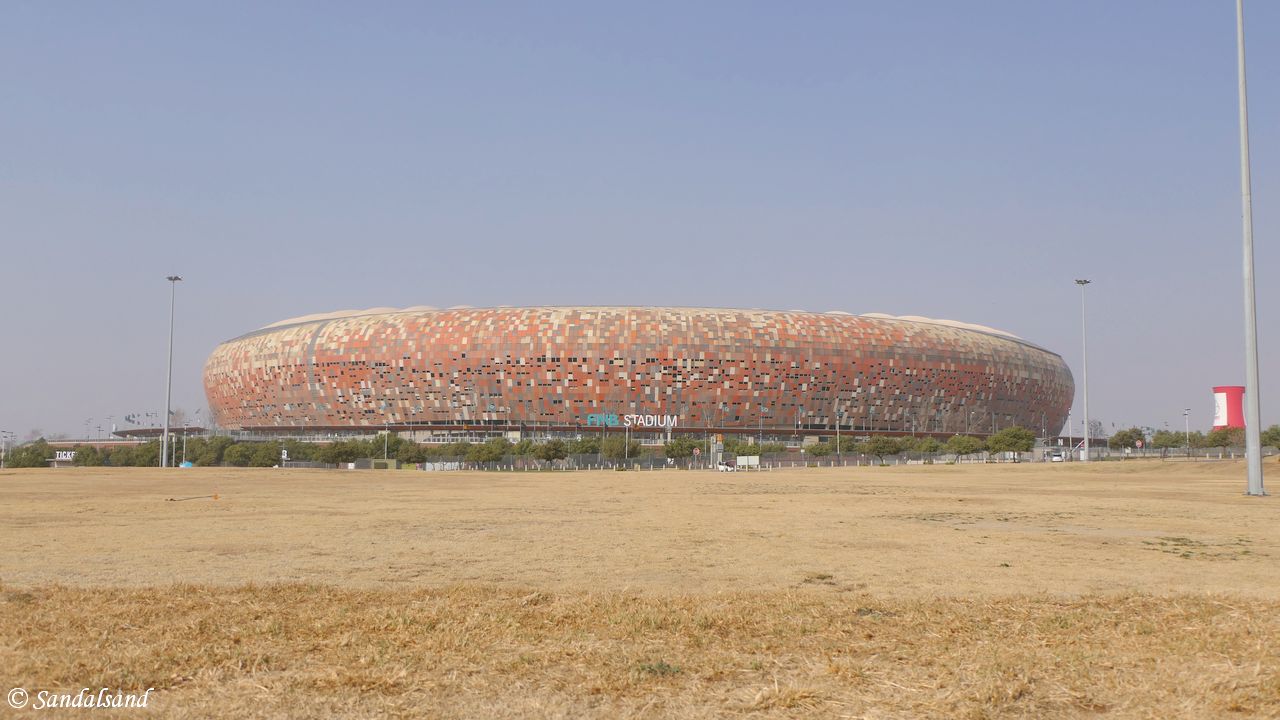
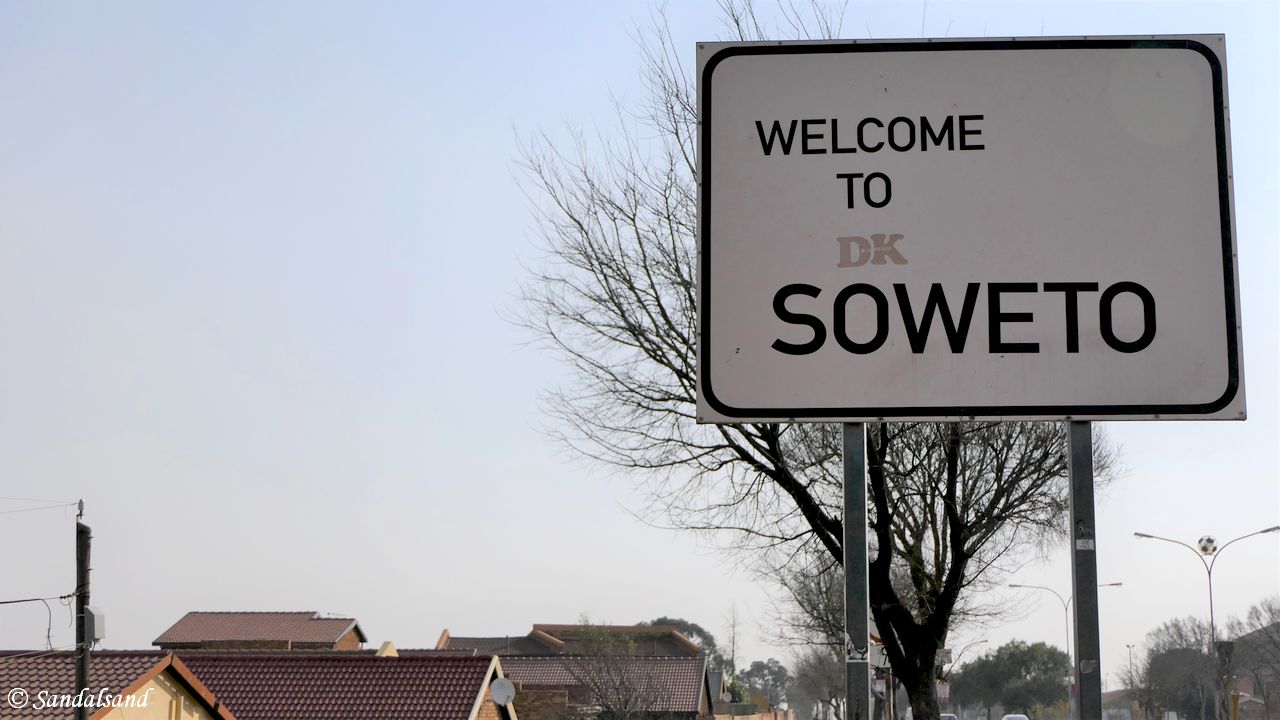
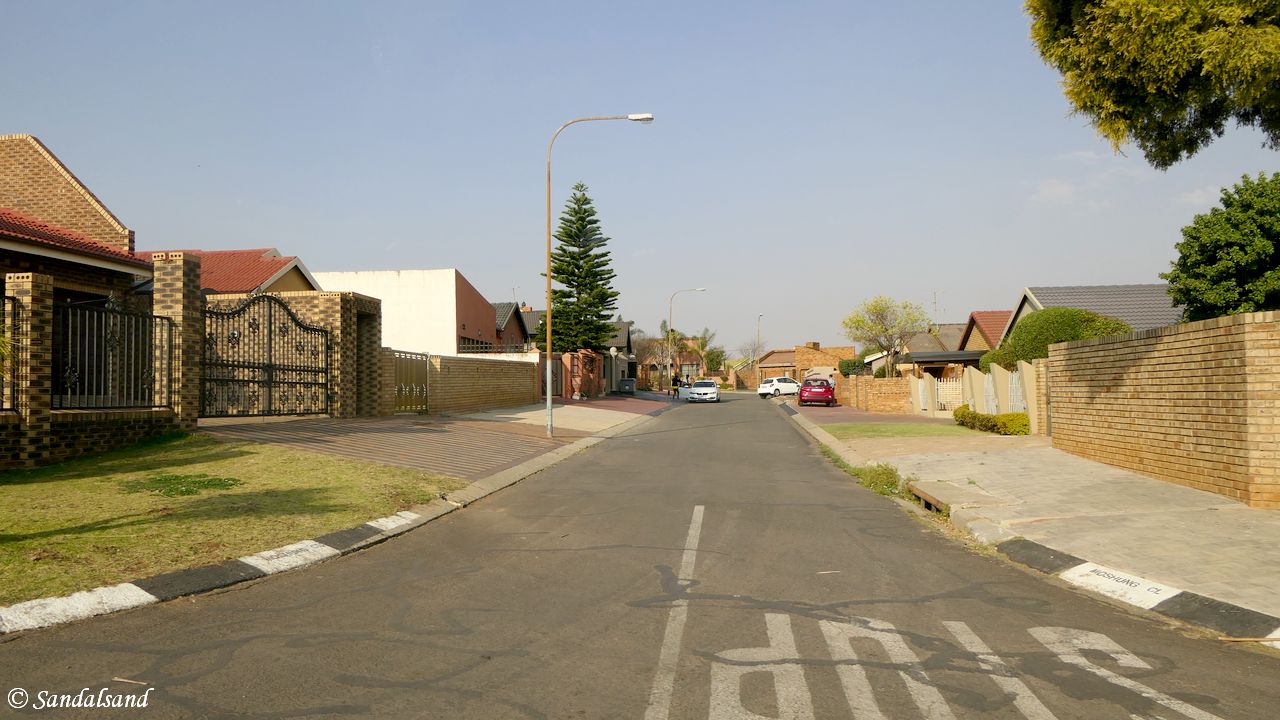
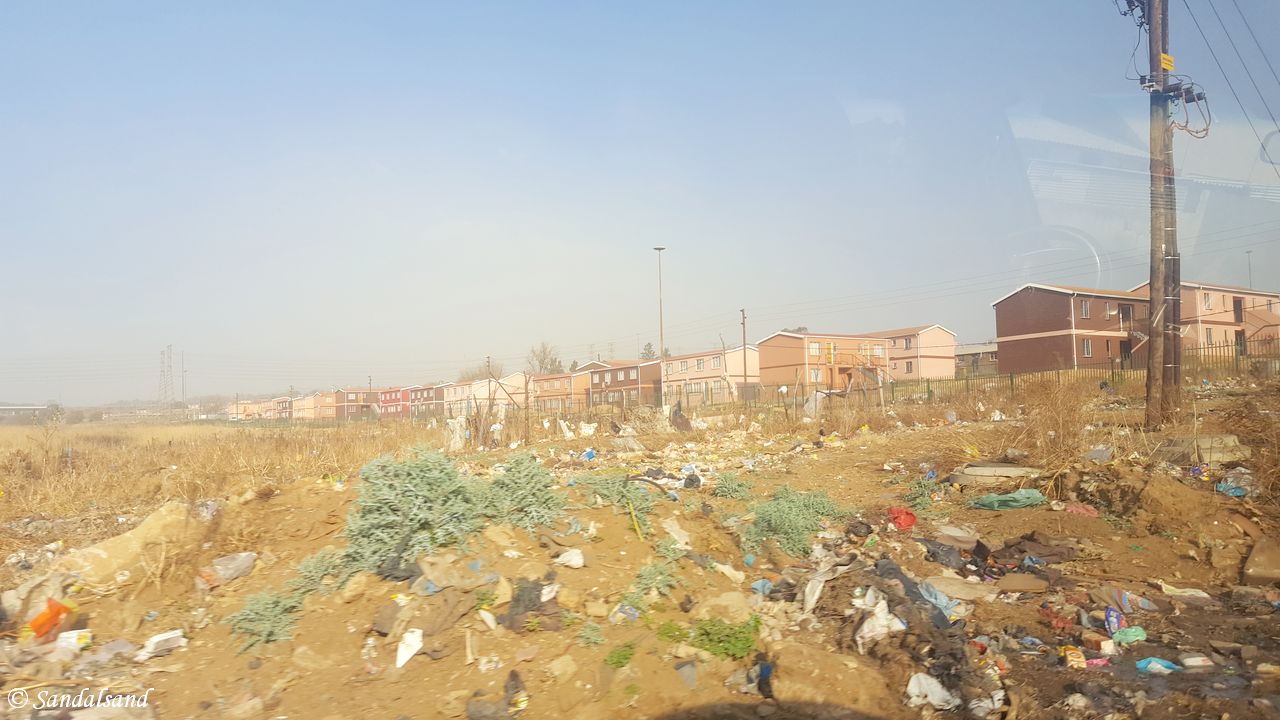
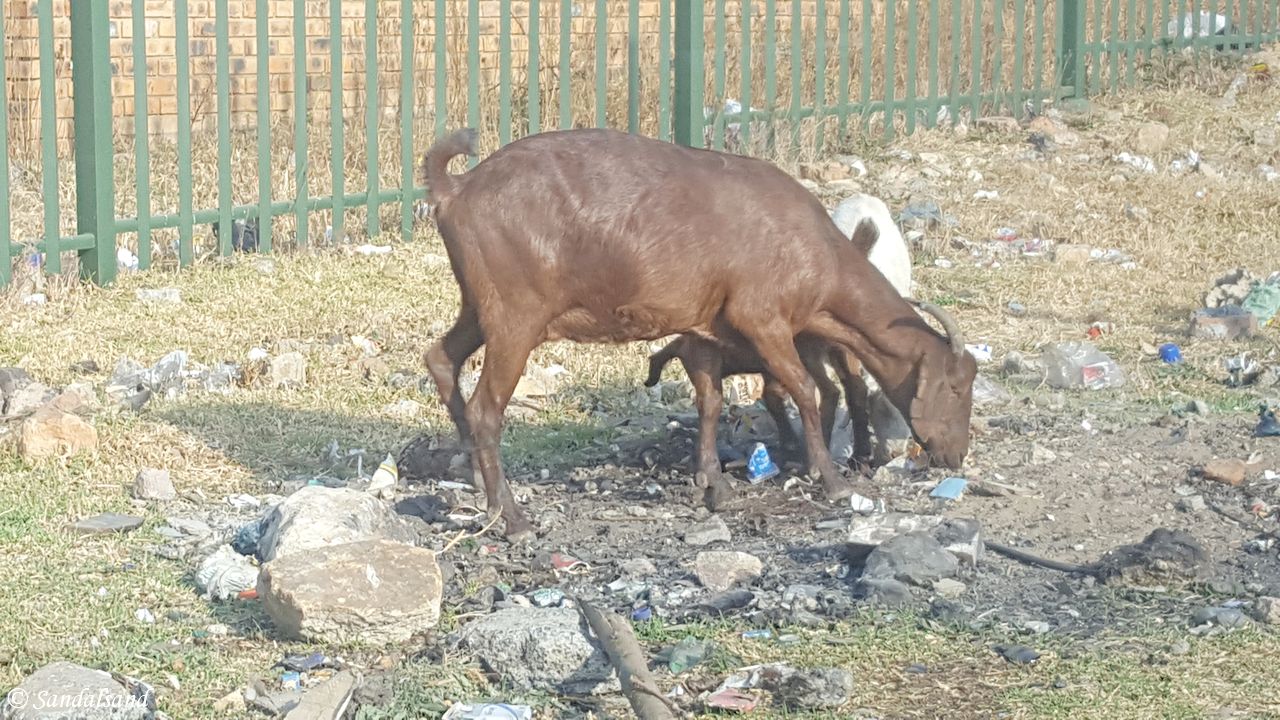
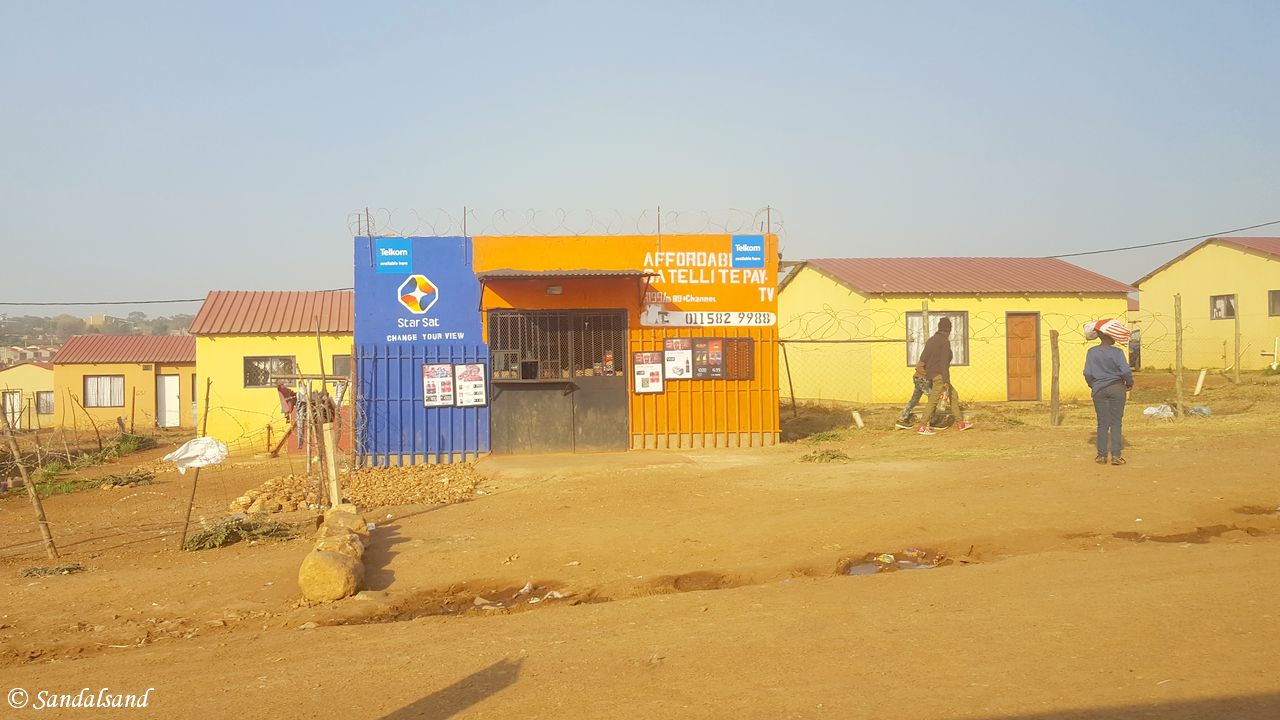
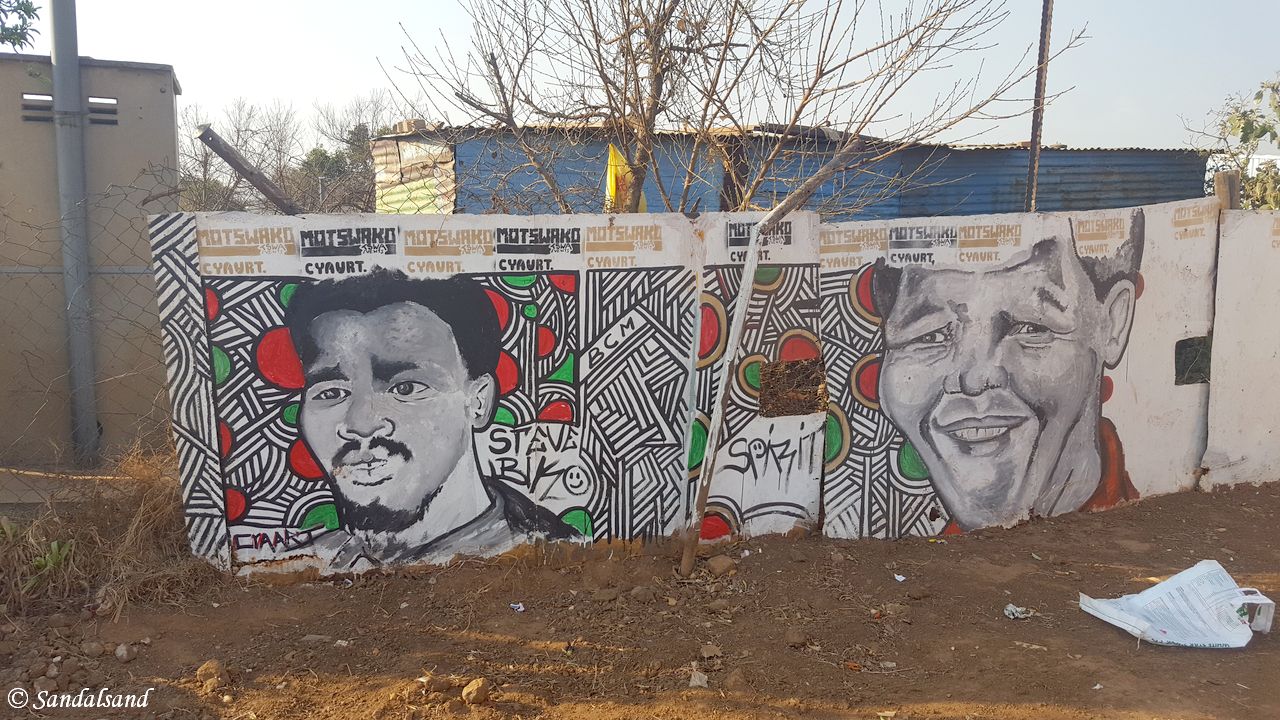
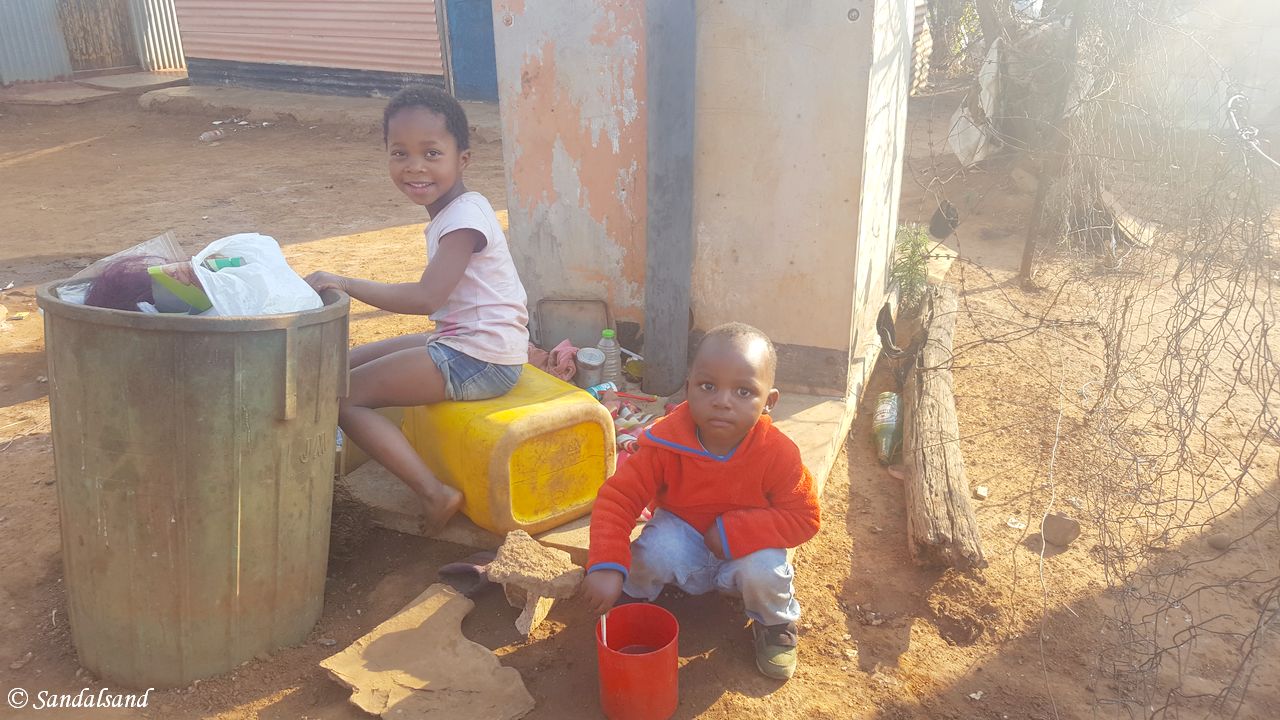
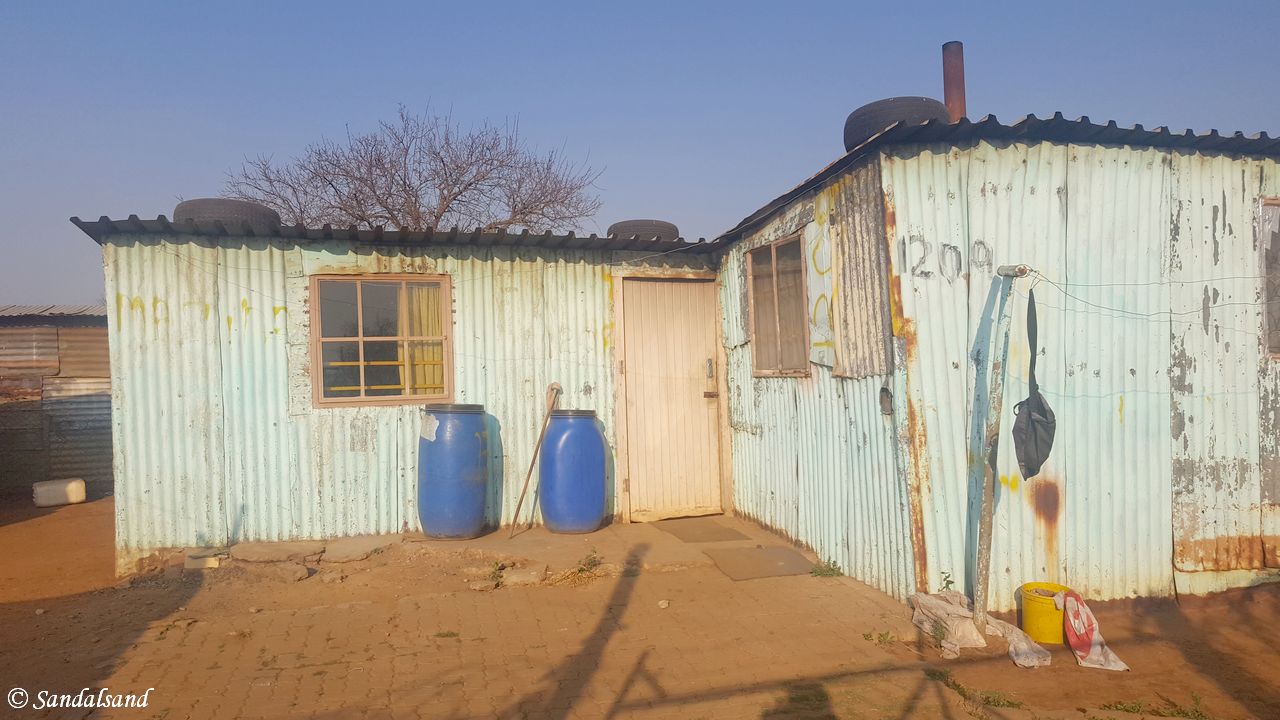
In the afternoon, we drove past FNB Stadium — known for hosting both the 2010 FIFA World Cup final and Nelson Mandela’s memorial service — before entering Soweto, South Africa’s most famous township. Soweto is a world of contrasts: some areas remain poor and informal, while others have developed into solid middle-class neighbourhoods.
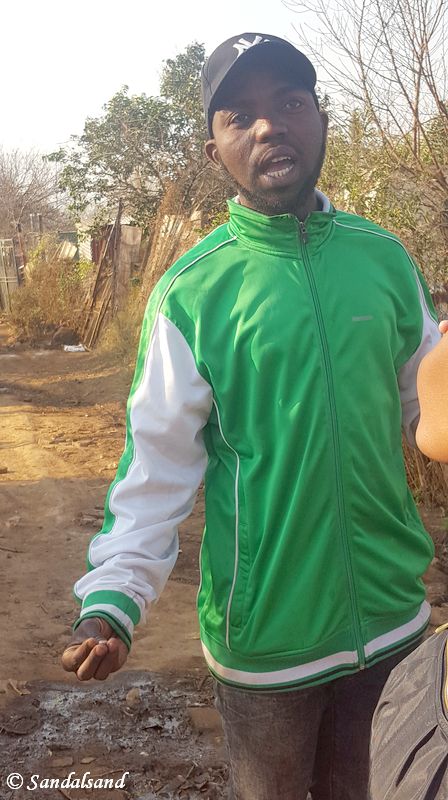
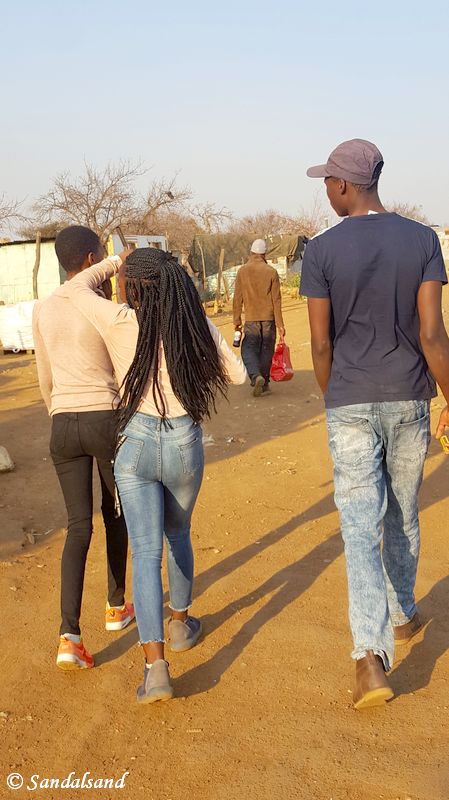
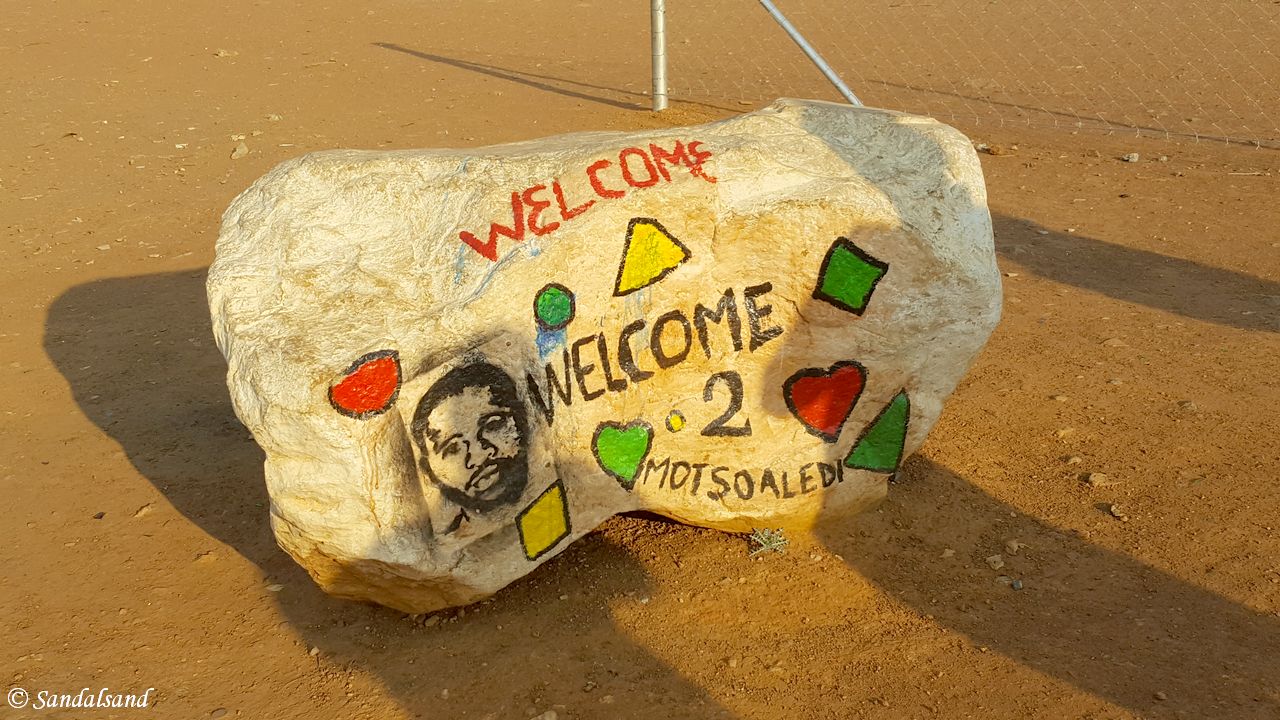
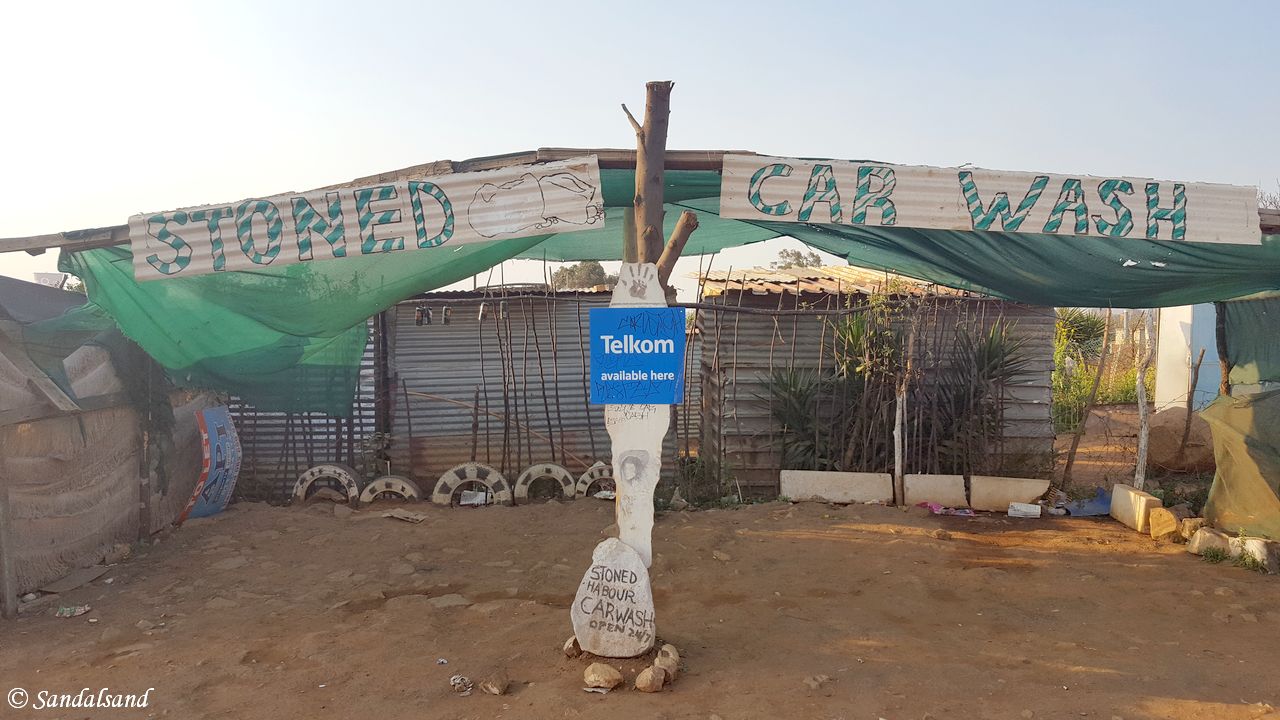
The guide took our small group for a walk into one of the poorer parts, allowing us an opportunity to photograph and chat with the locals.
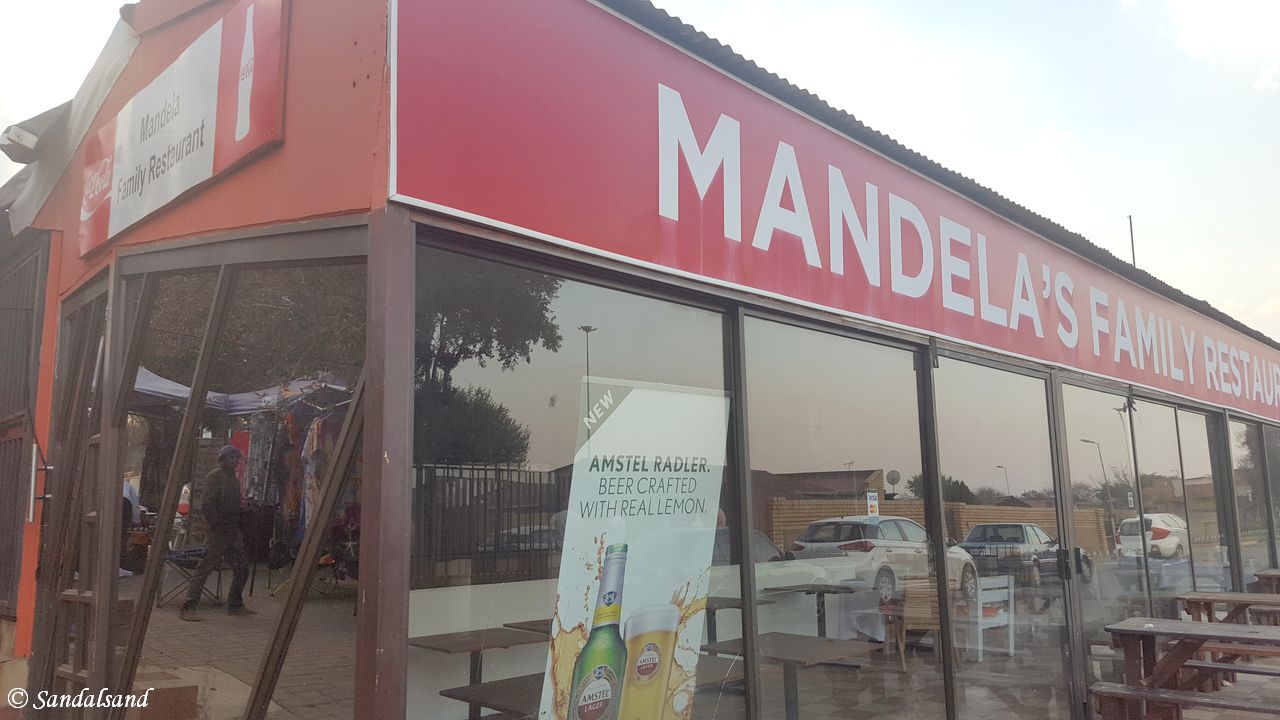
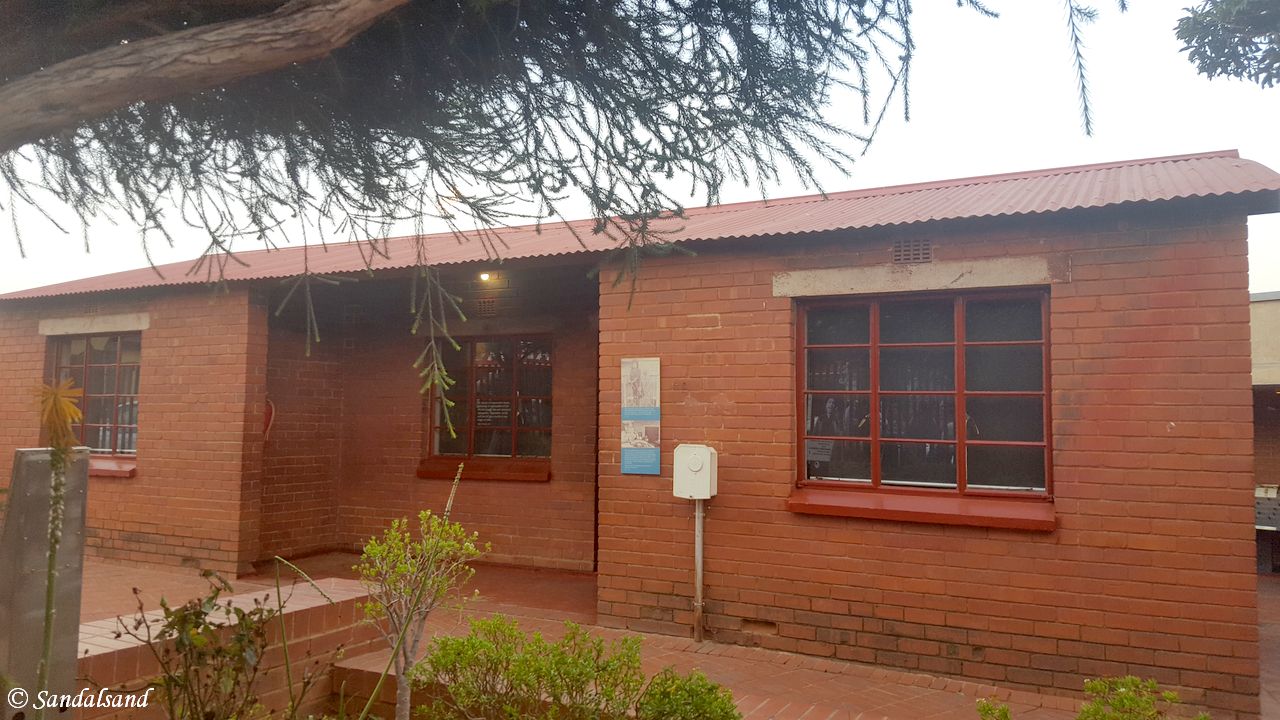
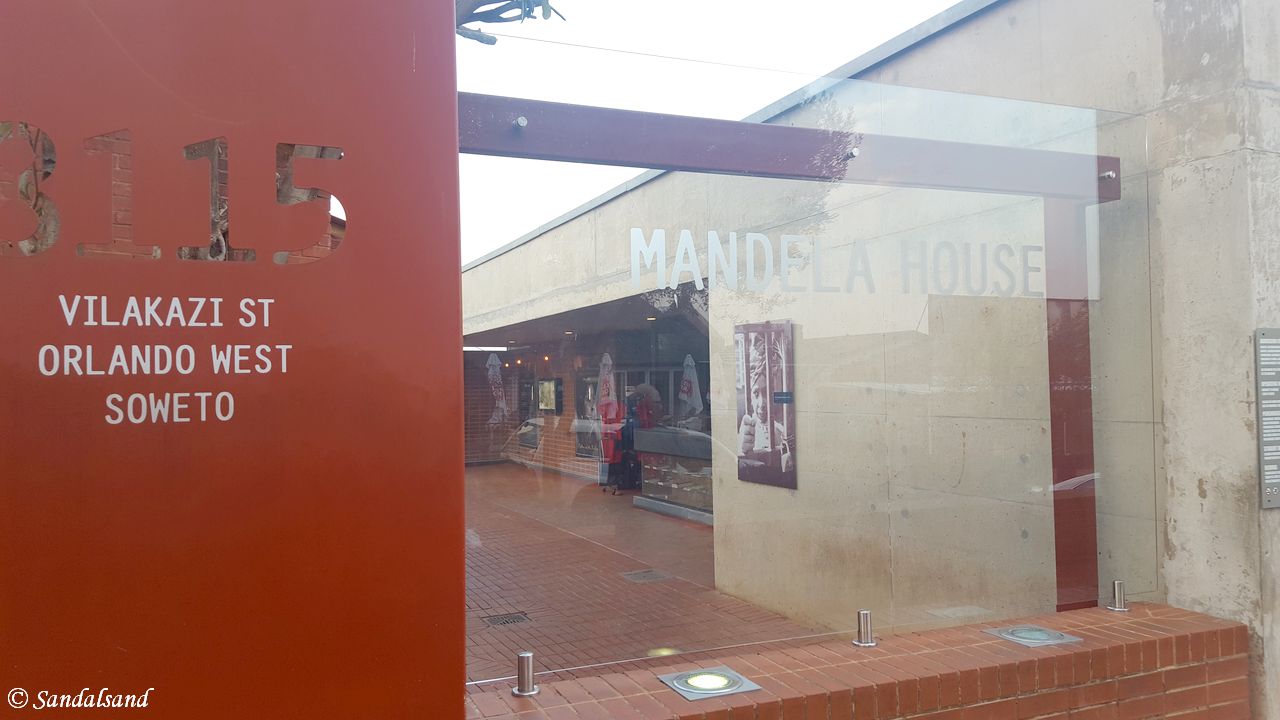
Later we made a stop at Desmond Tutu’s House and Nelson Mandela’s House. They are quite close no one another. Strange, two Nobel Peace Prize winners used to live in the same street.
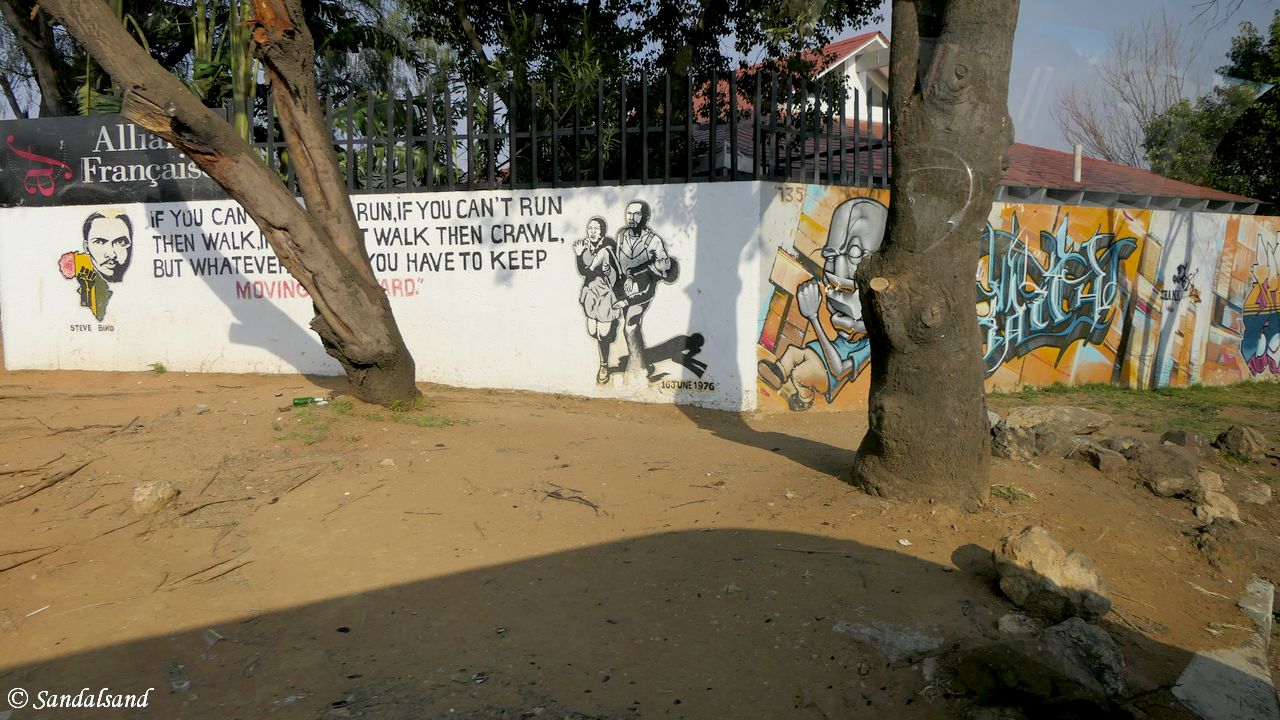
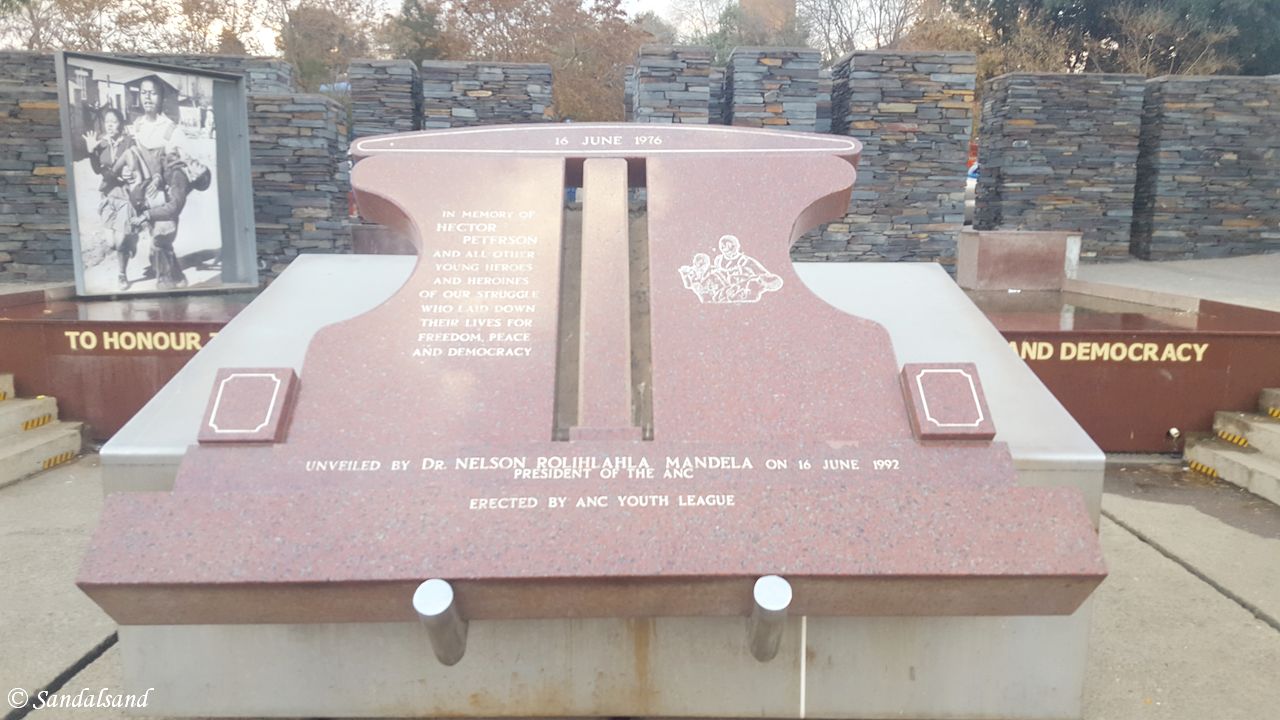
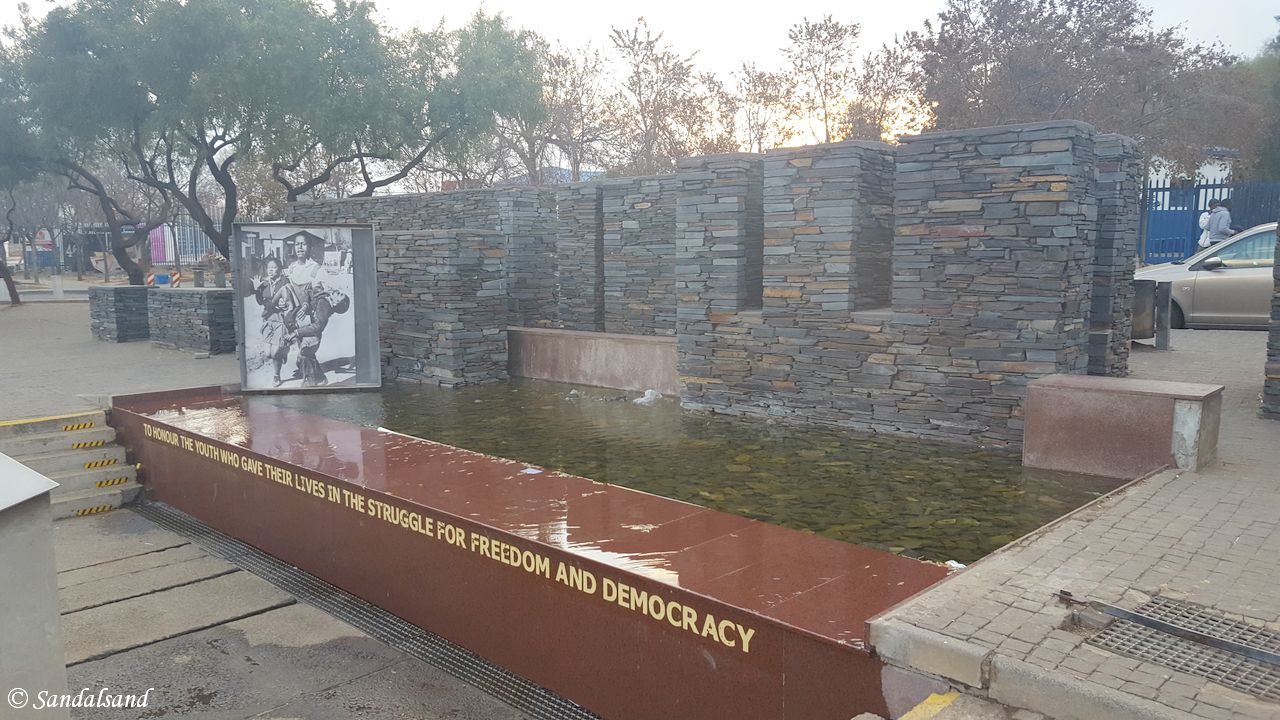
Next up, and quite close, was the deeply moving Hector Pieterson Memorial. It commemorates the students killed during the 1976 Soweto uprising. Standing there, it was impossible not to feel the weight of history and the resilience of the people who fought for freedom.
Round-up
I was let off the tour bus at my hotel, picked up my luggage and left for the Oliver Tambo International Airport. My short stay in Johannesburg revealed more than I had expected. It is a city of striking contrasts, heavy history, and undeniable energy.
On my return journey home to Norway I had booked enough time for stopover in Dubai. Read about it, and find more about South Africa (including a picture gallery with more photographs) and Africa here on Sandalsand.
