 Sandalsand Norge >>
Discover the best of Dubai in one day - from historic Al Fahidi to modern Burj Khalifa, vibrant souks, beaches, and iconic landmarks across the city.
Why did I go there?
The answer is really twofold. First, Dubai was a place I had never visited before, and curiosity drew me in. I wanted to see for myself what this rapidly evolving city-state looked like. It is a place that has undergone extraordinary change in just a few decades.
I wondered whether Dubai was truly all about shiny skyscrapers, enormous shopping malls, and relentless construction. Would there still be traces of its cultural heritage beneath the surface? To be honest, I was quite new to this part of the world — the Arabian Gulf was largely unexplored territory for me.
The second reason was more practical. Dubai, like several of its neighbours, is an ideal stopover for intercontinental flights. A few years earlier, I had made a short visit to Qatar on my way home from Nepal. This time, returning from a safari in southern Africa, I chose to pause in Dubai instead. The outward journey a few weeks earlier had brought me through Qatar once again.
The one-day visit to Dubai took place in 2018. I would later return to the region in 2024 to explore Bahrain and Saudi Arabia — continuing my slow discovery of the Gulf states.
A short introduction to Dubai
Dubai is one of the seven emirates forming the United Arab Emirates. It is situated along the southeastern coast of the Arabian Gulf. Covering around 4,100 square kilometres, it features a largely desert landscape with a coastline of natural creeks and man-made islands.
The city began as a small fishing and pearling settlement in the early nineteenth century, strategically positioned on key maritime trade routes linking Persia, India, and East Africa. In 1833, the Al Maktoum family assumed leadership, establishing political stability and promoting commerce.
The discovery of oil in the 1960s enabled rapid development, followed by diversification into trade, transport, finance, and tourism. Today, Dubai has a population exceeding four million and represents a balance between modern urban expansion and enduring cultural traditions. About 92% of the population are expatriates.
What I did on a day in Dubai
Arrival
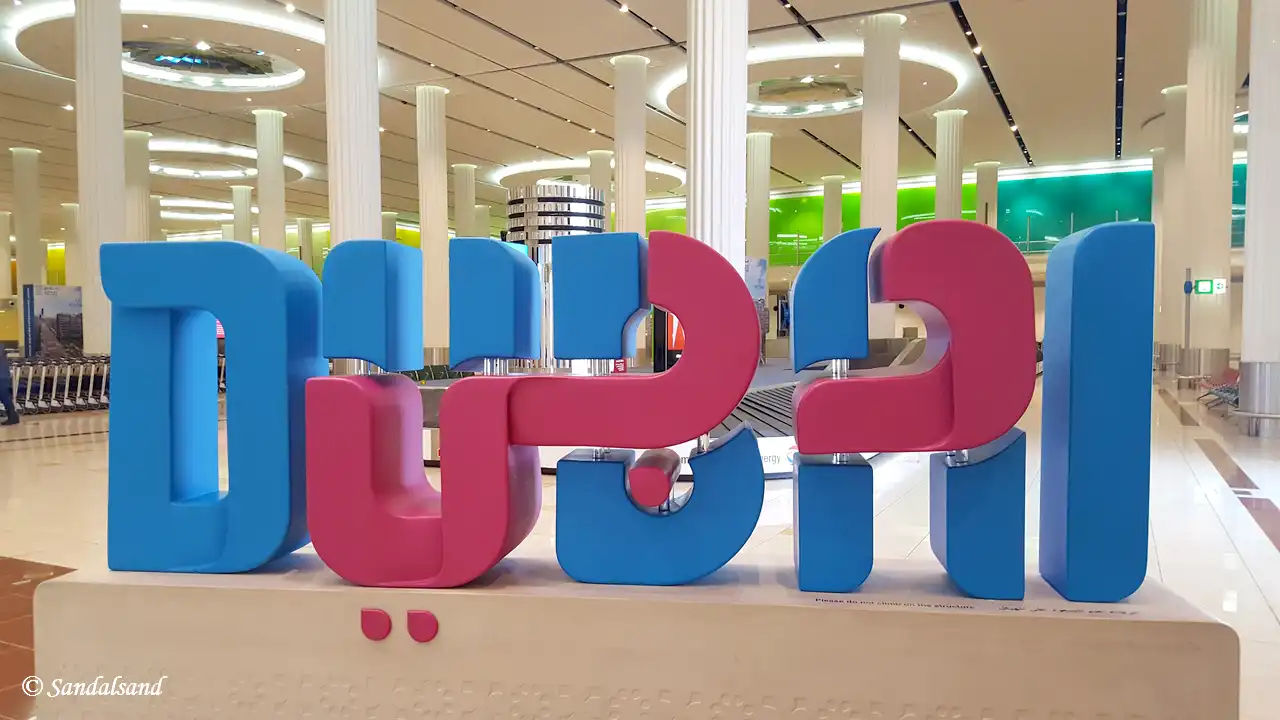
I landed in Dubai early in the morning after an overnight flight from Johannesburg. The airport, vast but well-organized, was easy enough to navigate, and before long I was in a taxi heading into the city.
A curious incident occurred at immigration. I was briefly taken aside and led into an office, where an officer asked about my recent visit to Qatar. I explained that it had simply been a short stopover for tourism, and that seemed to satisfy them.
At the time, I found the whole situation a bit puzzling. Only later did I realize that relations between the UAE and Qatar were strained back then. My visit had probably raised a small red flag. I shrugged it off — there were more interesting things waiting beyond the airport.
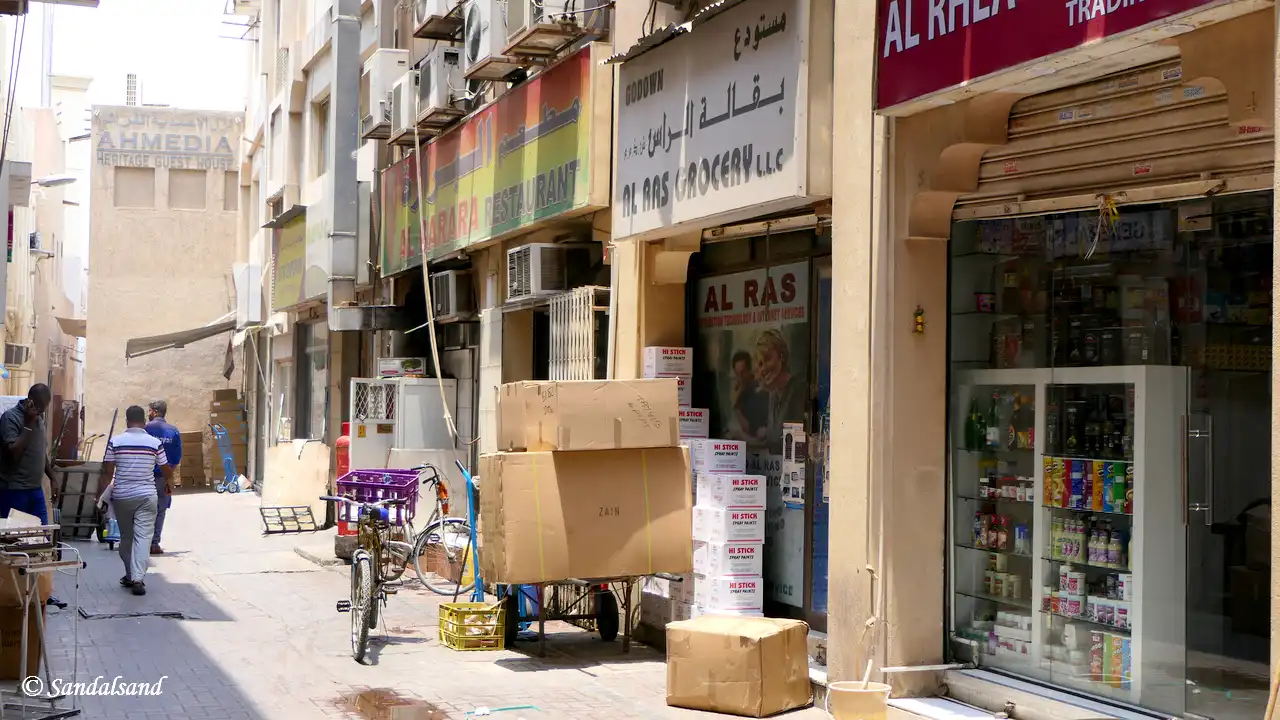
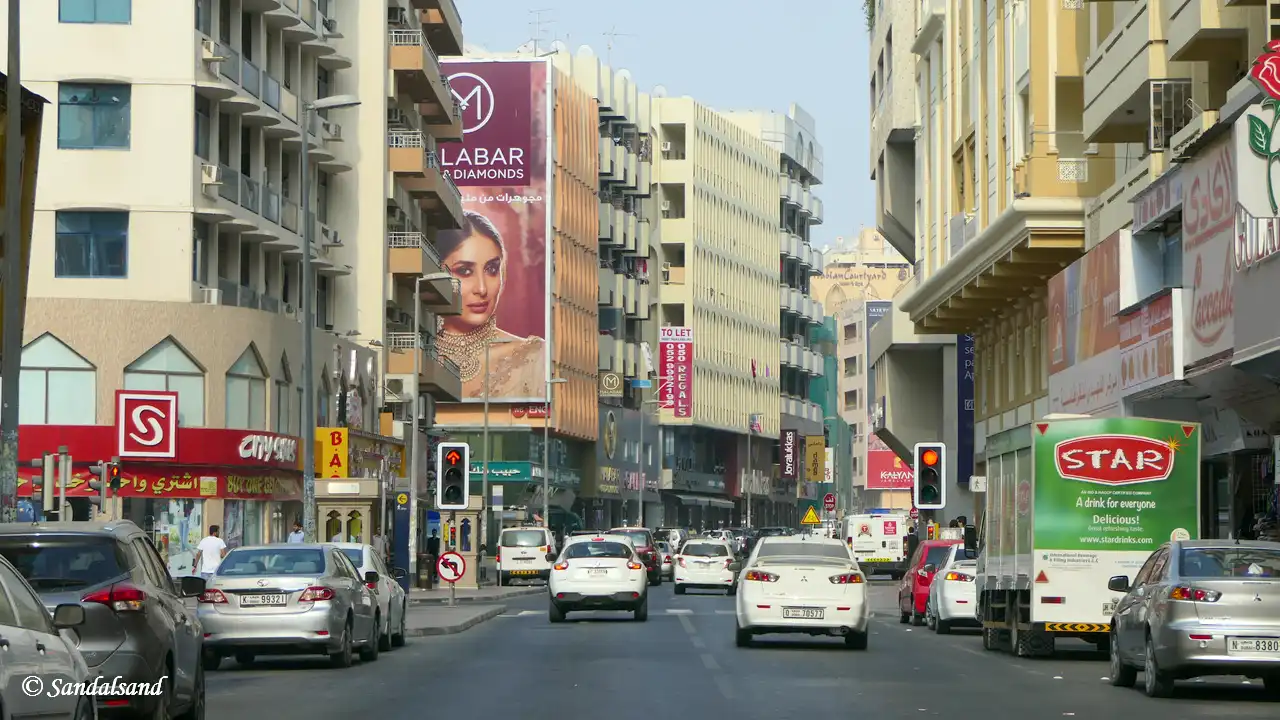
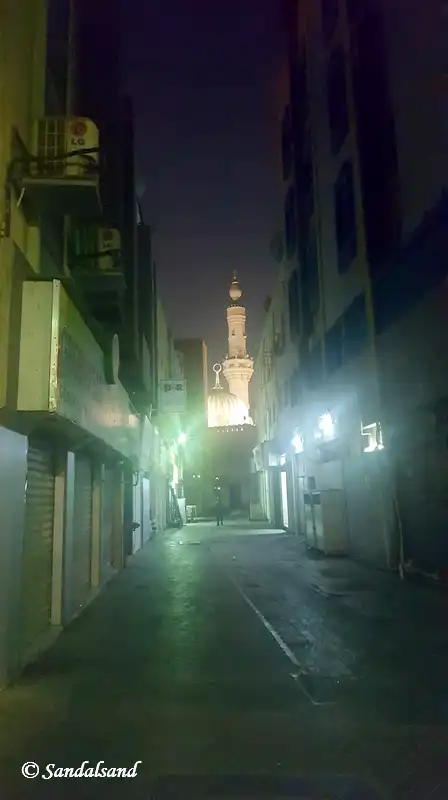
My onward flight was scheduled for the following morning, and I had booked a modest guesthouse in the traditional Spice Souk area. Luckily, they let me check in right away. After a short rest, I stepped out into the heat and bustle, ready to discover Dubai.
Around town with a private driver
With only a few hours to explore, and August heat that could melt your sandals, I decided to see Dubai by car. My hotel reception made a few quick calls and soon arranged a private driver with a cool, air-conditioned vehicle. Like so many who keep this city running, he was South Asian and spoke excellent English.
During the day, he took me to the places I wanted to see — and added a few of his own suggestions. He’d drop me off, wait while I explored, and pick me up again. It worked perfectly.
Here’s where we went.
Al Seef and Al Fahidi Historical Neighbourhood
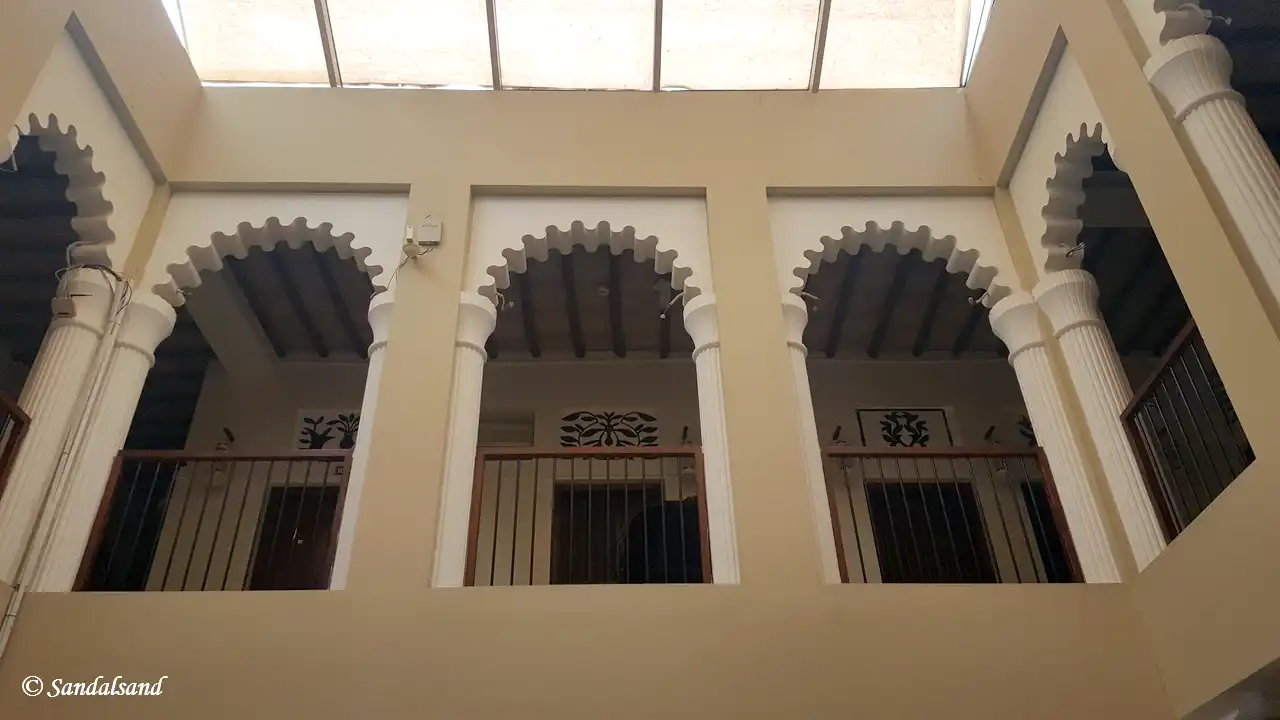
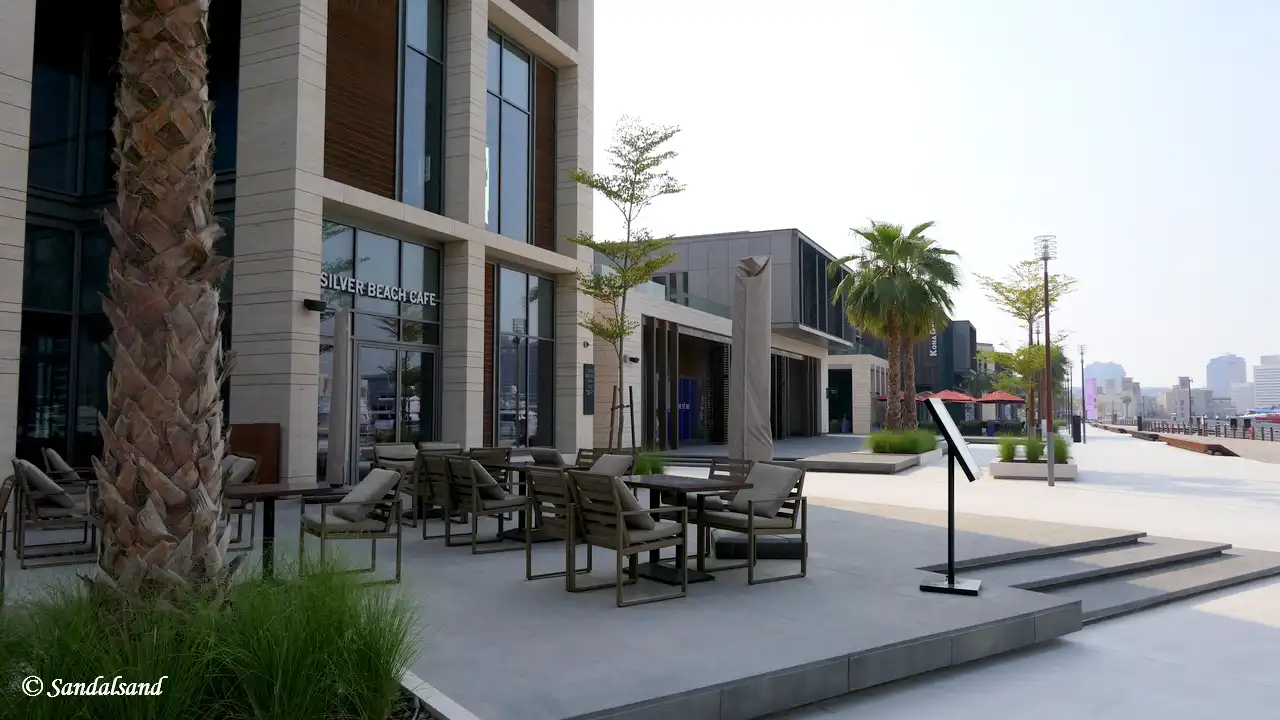
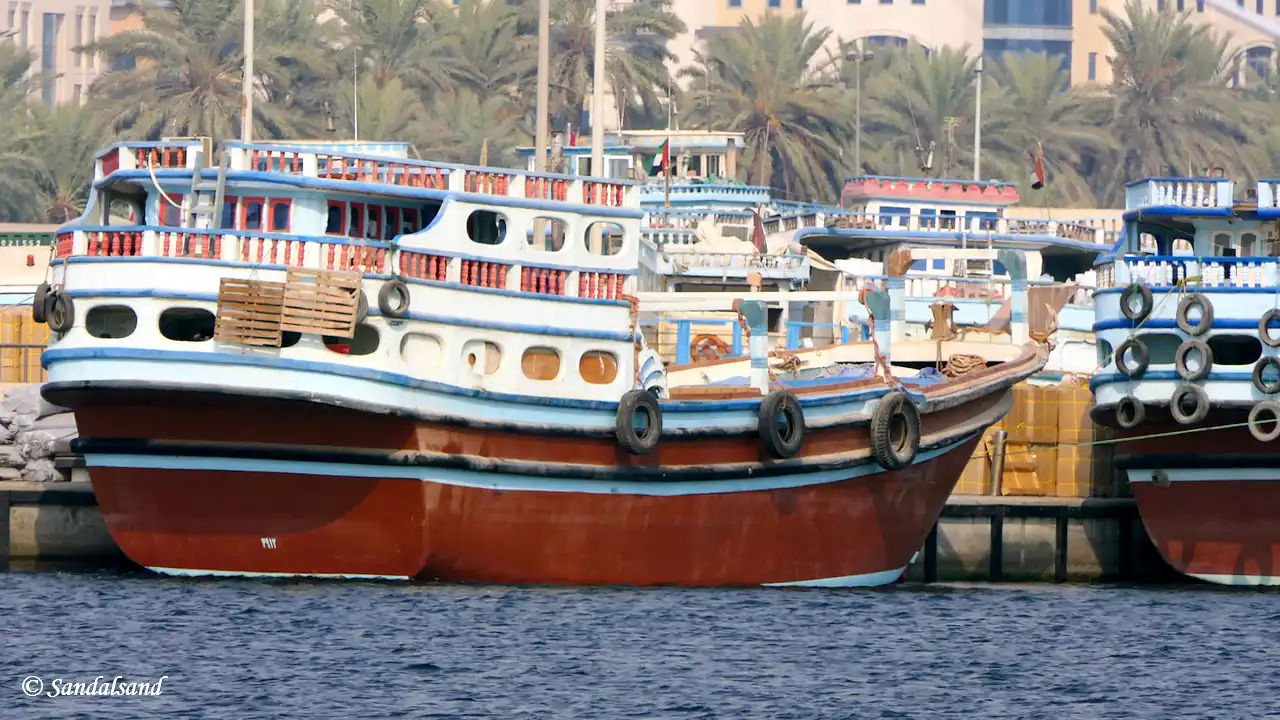
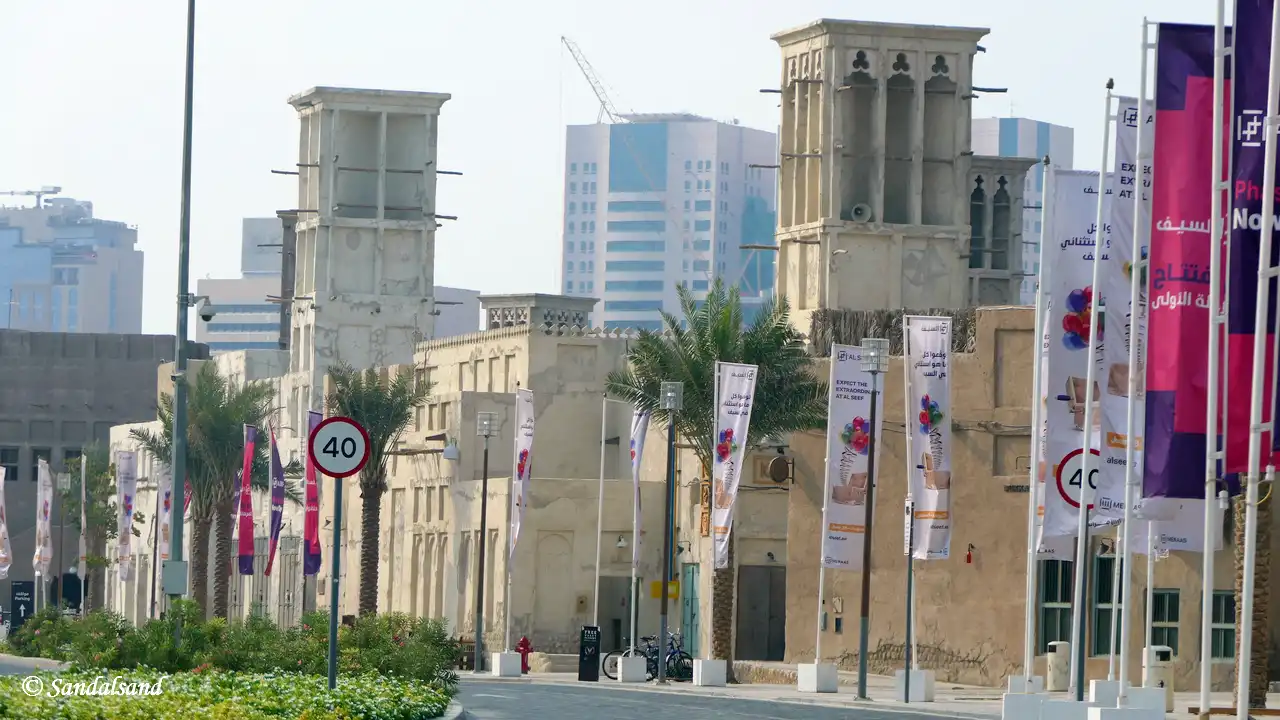
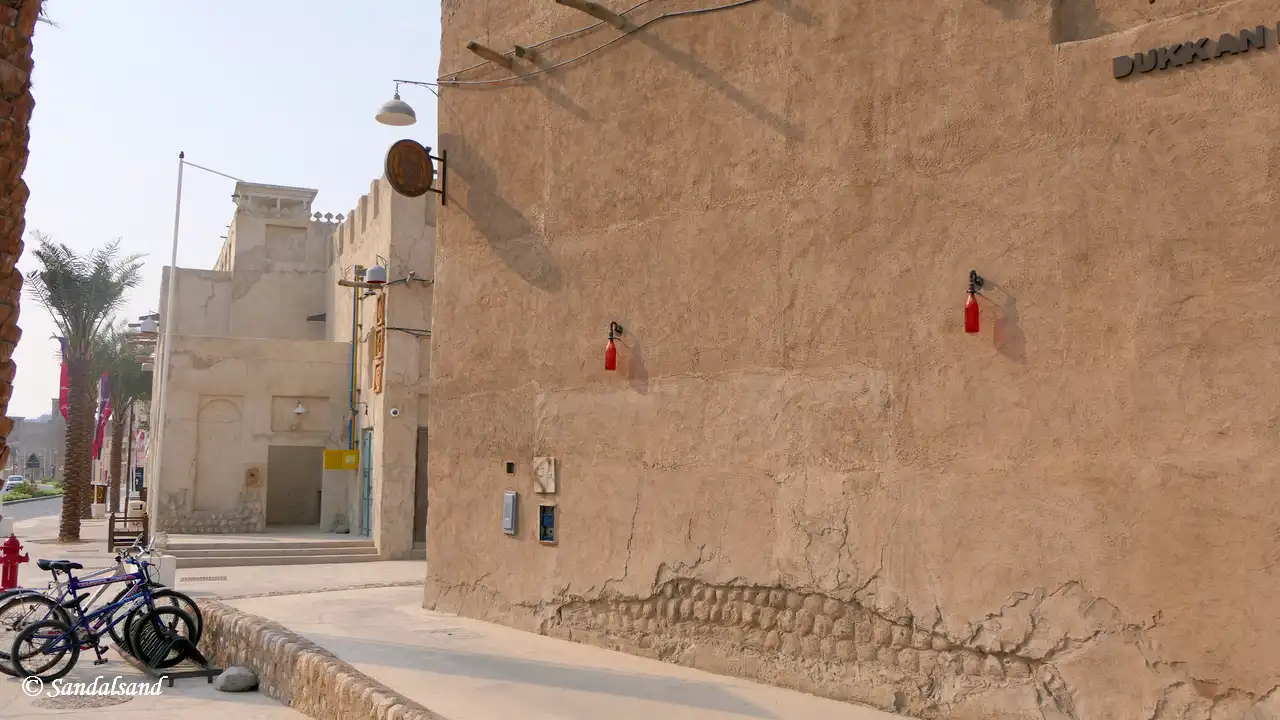
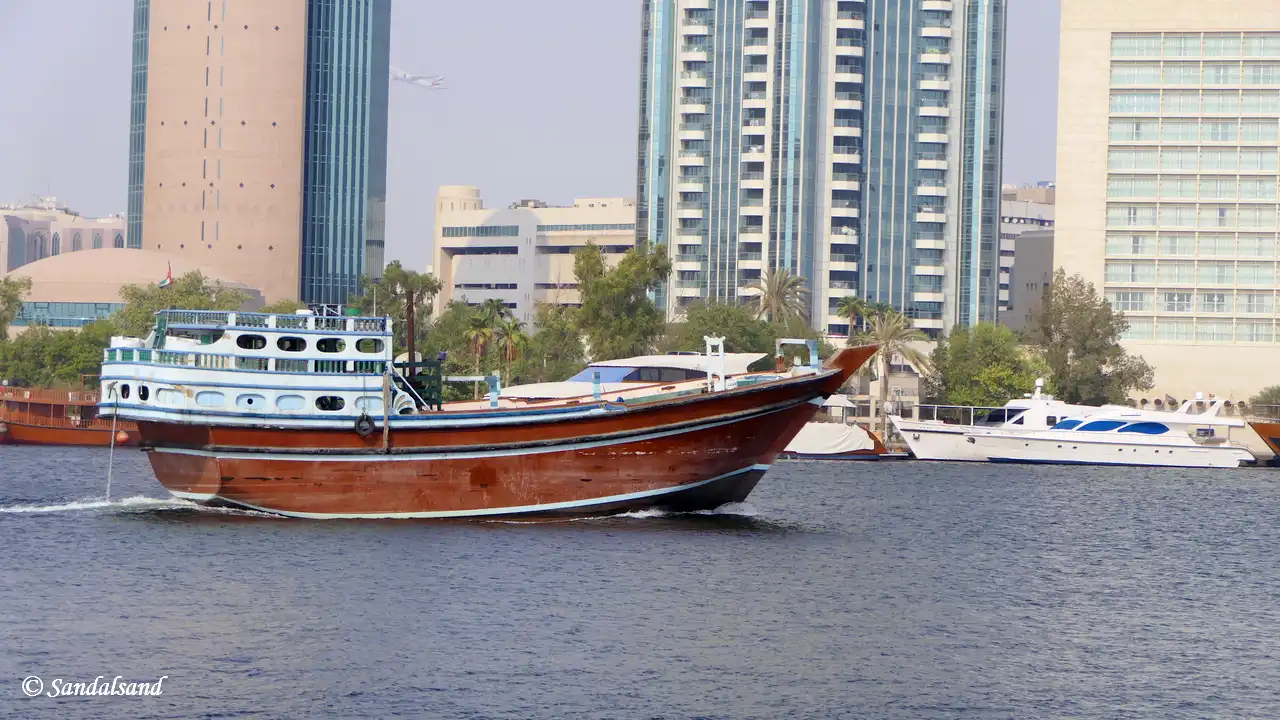
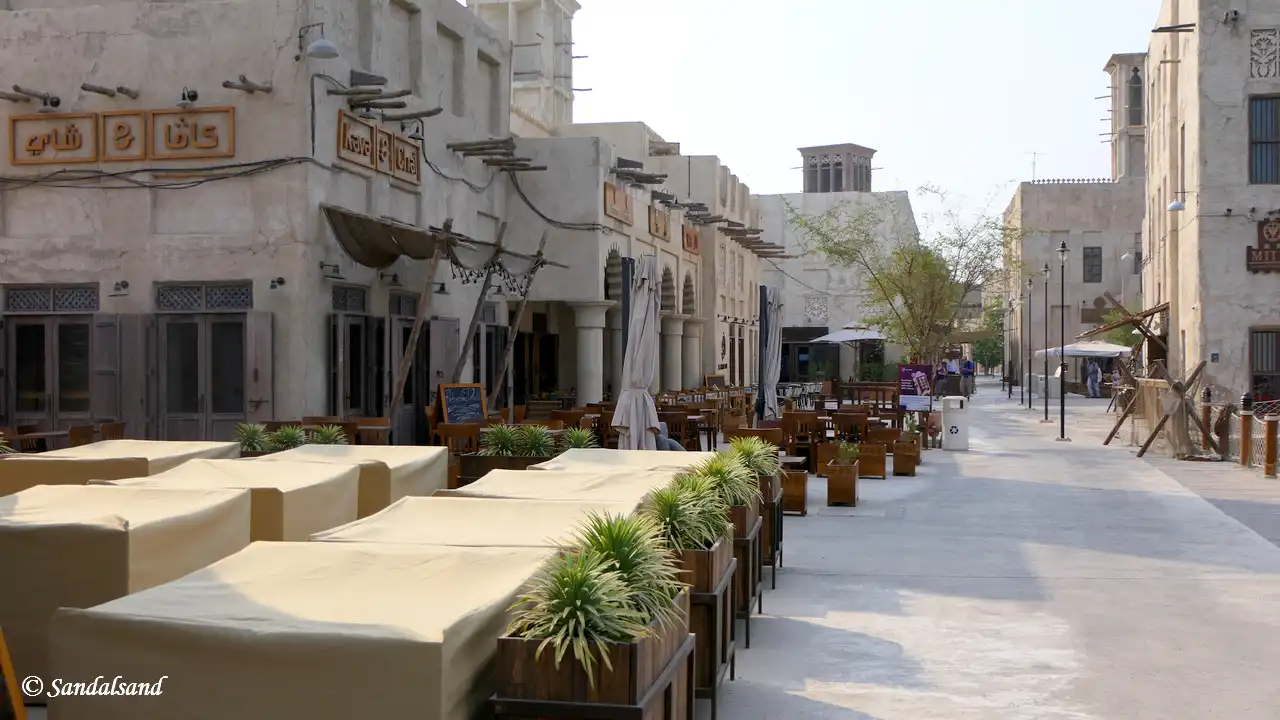
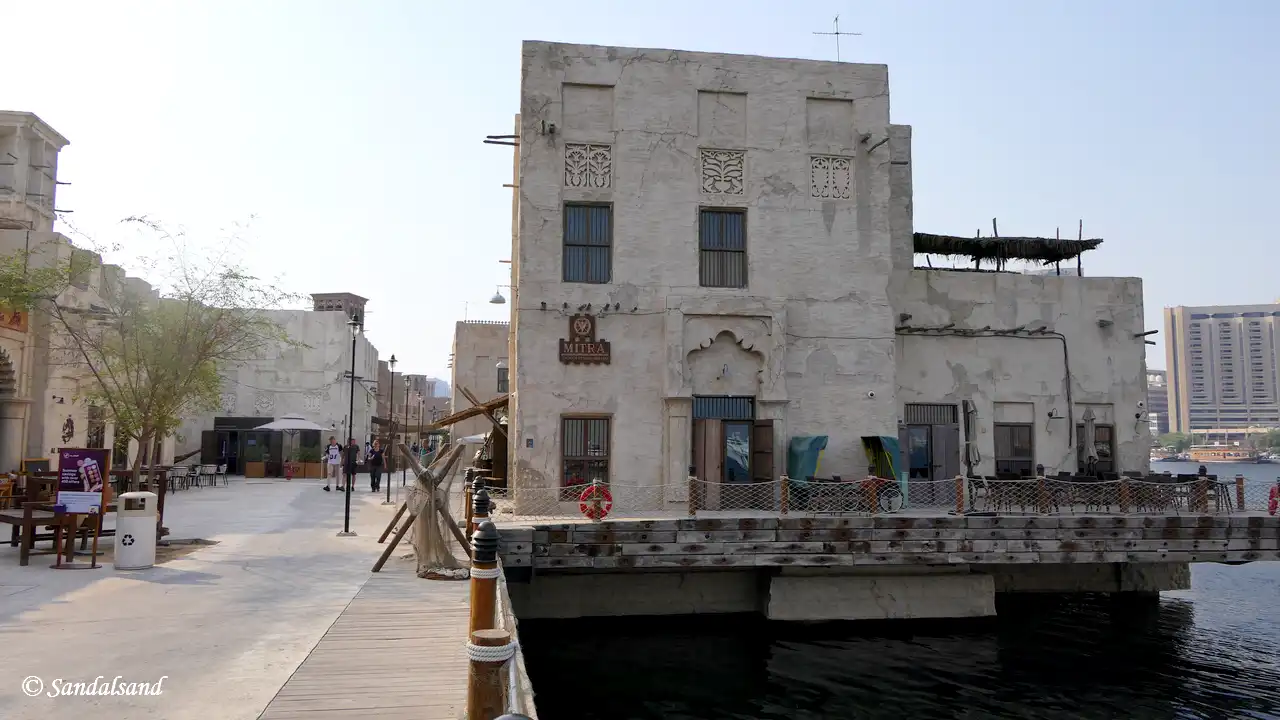
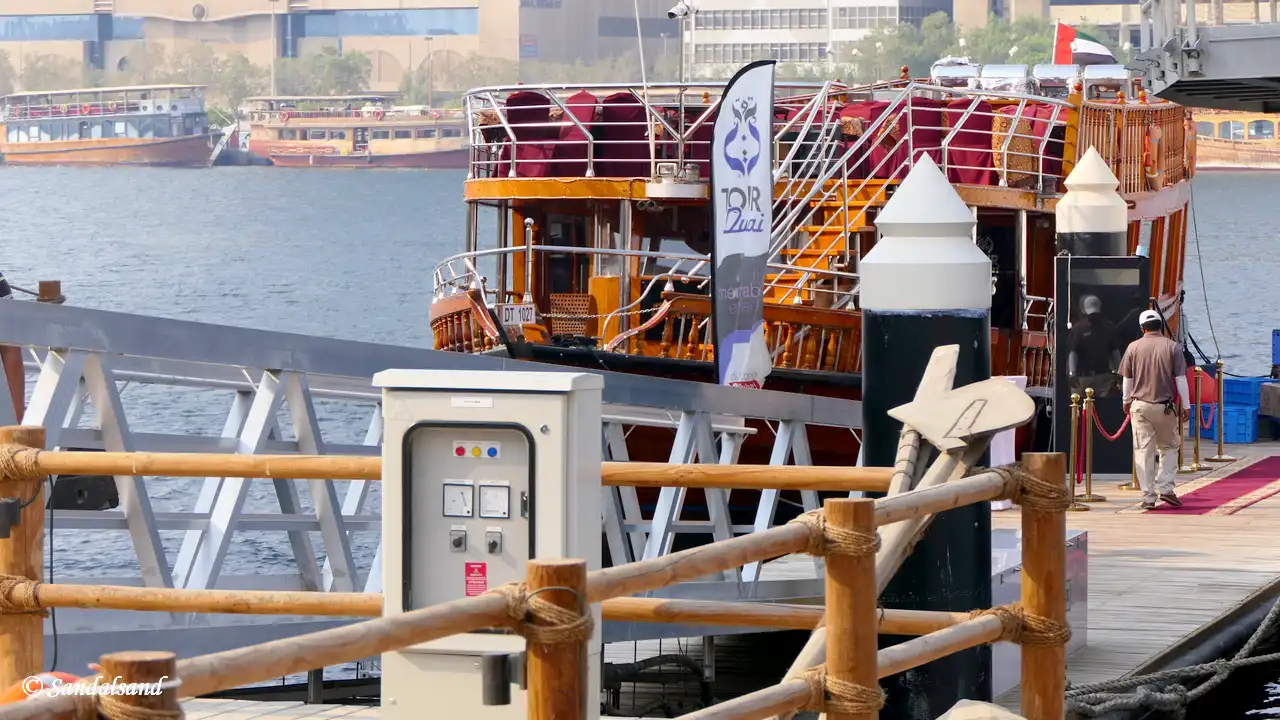
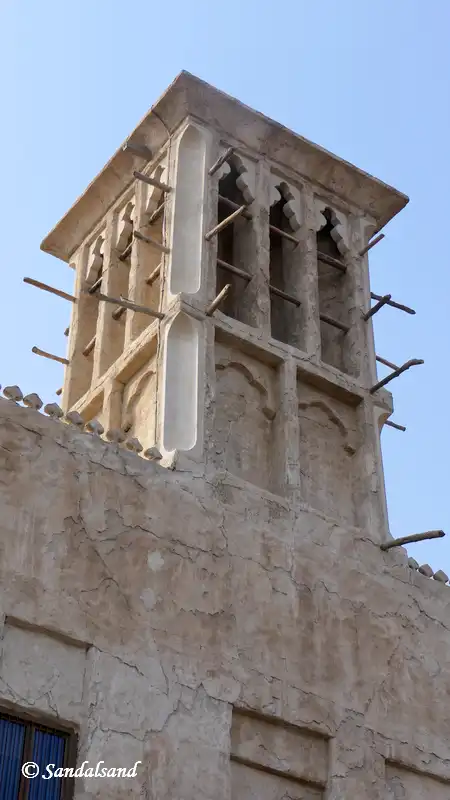
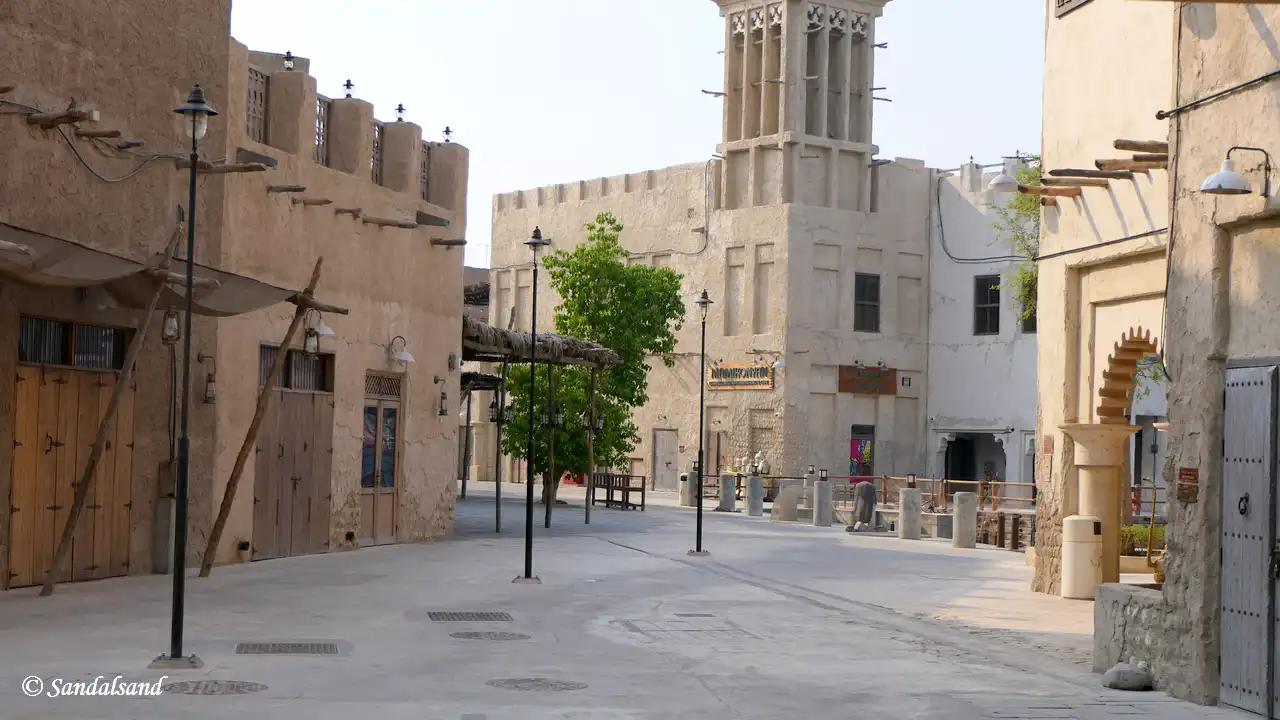
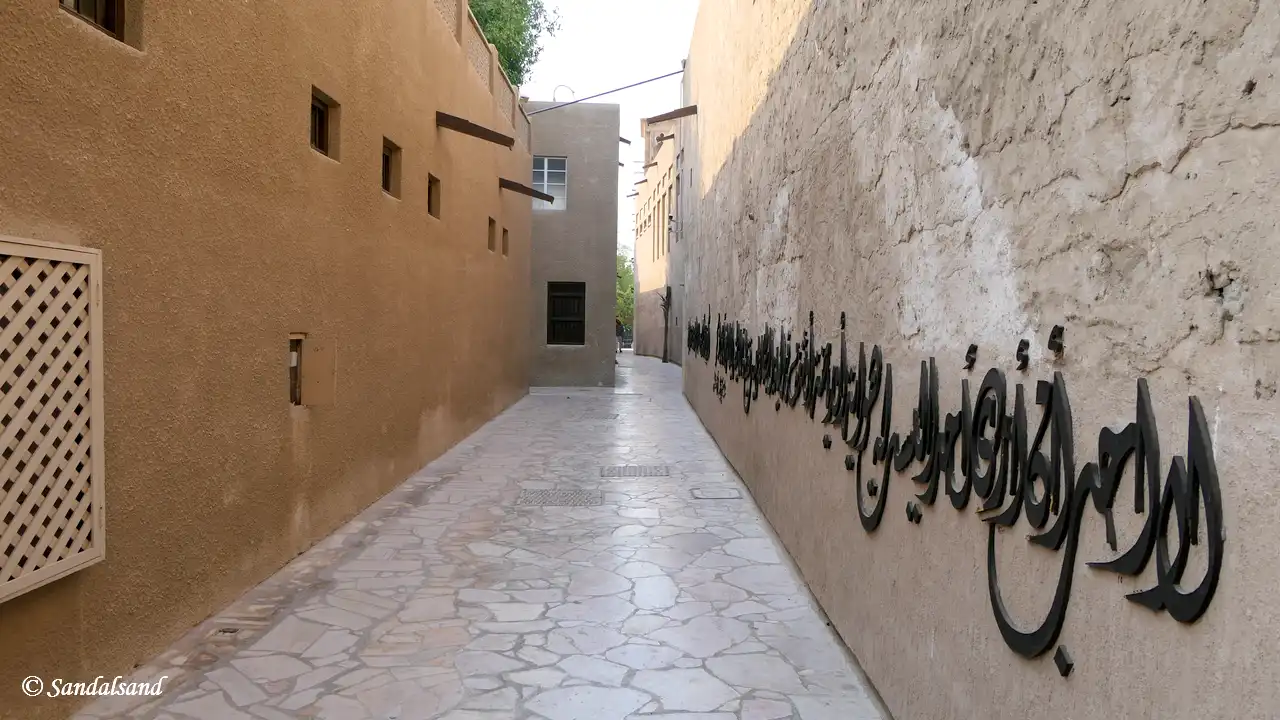
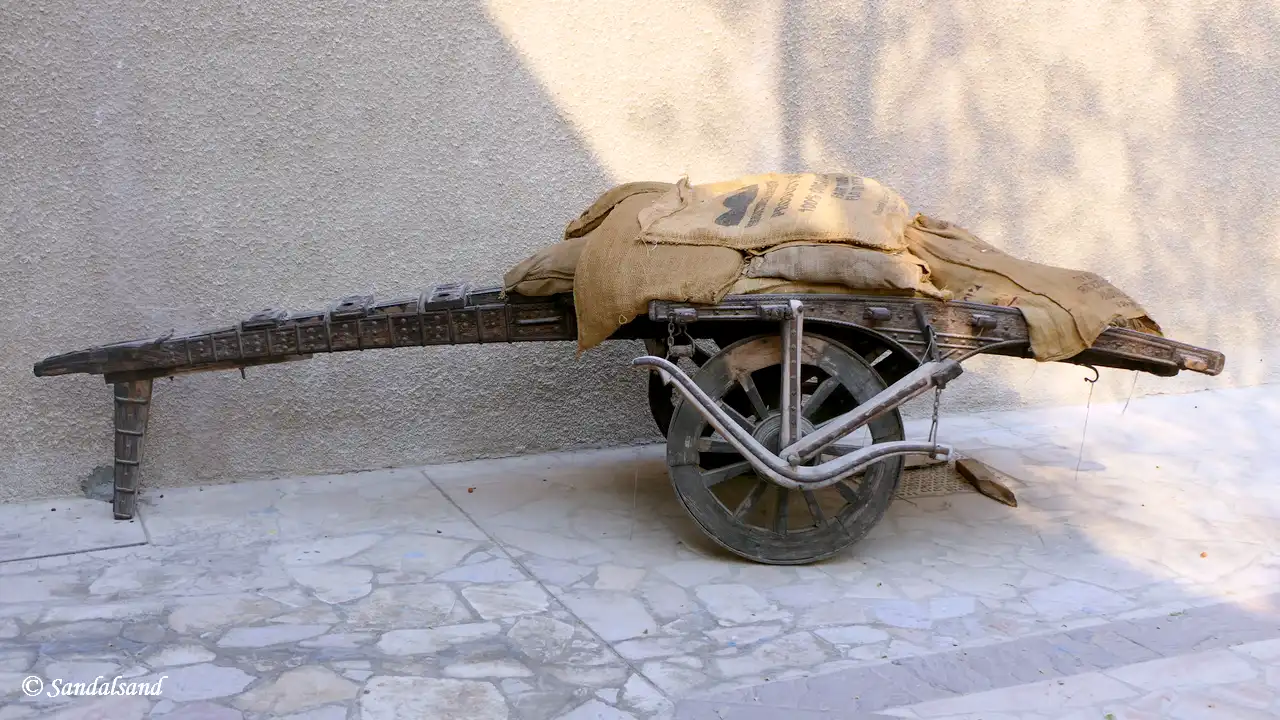
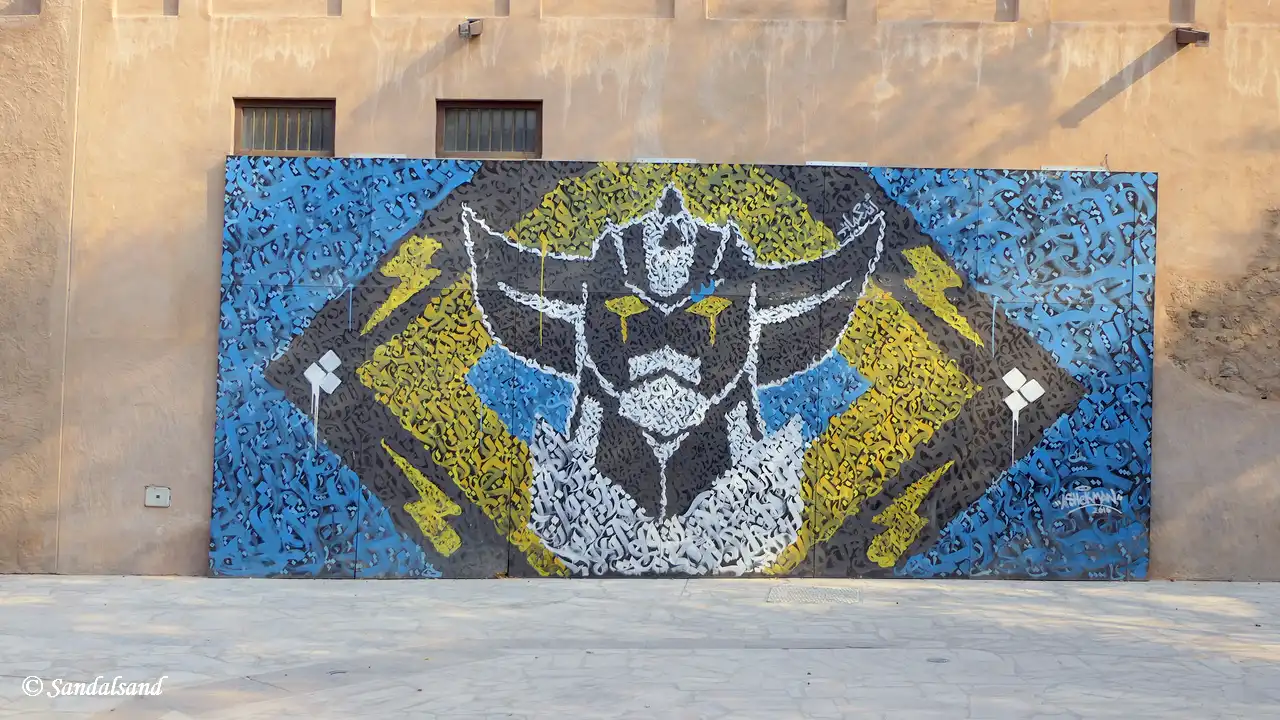
We began near Dubai Creek, where the city first took shape around the pearling industry. Al Seef is a waterfront promenade blending old-style architecture with trendy cafés and boutiques. Just nearby lies the Al Fahidi Historical Neighbourhood — narrow lanes, wind towers, and restored sand-coloured houses offering a glimpse of pre-oil Dubai. It’s quiet, atmospheric, and feels like stepping back in time.
I couldn’t help feeling that much of it seemed somewhat artificial — the buildings were clearly new. Yet, I genuinely appreciate the efforts the Emirates are making to preserve both their tangible and intangible heritage. In a society facing strong external influences, places like this help maintain a connection between the people’s cultural roots and the realities of modern life.
Sheikh Mohammed Centre for Cultural Understanding
Hidden in the Al Fahidi area, this centre aims to build bridges between cultures. Visitors can join guided tours or traditional Emirati meals while learning about local customs, religion, and history. I didn’t stay long enough for a meal, but it’s one of the few places in Dubai where curiosity is truly encouraged.
Dubai Museum
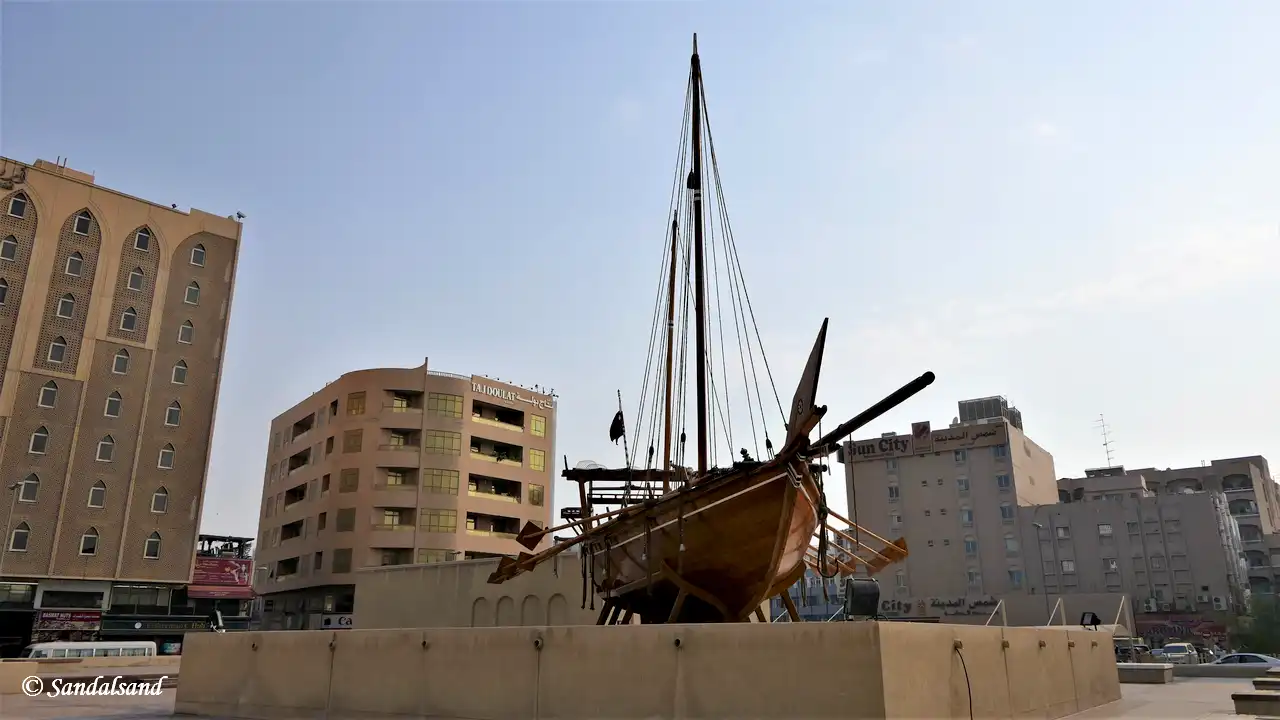
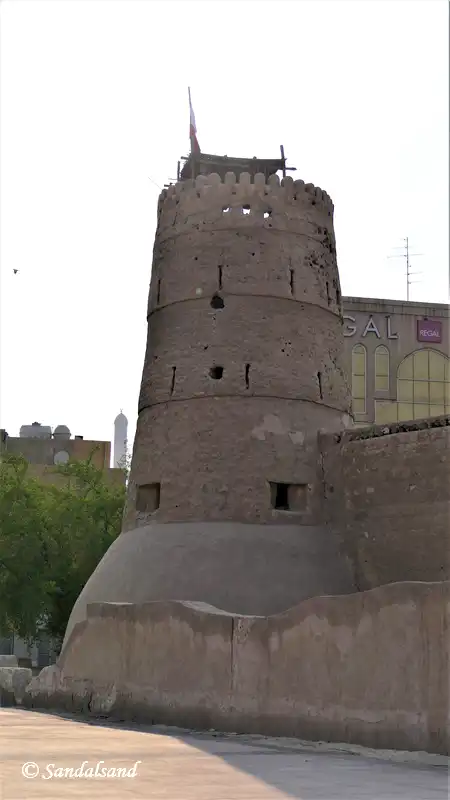
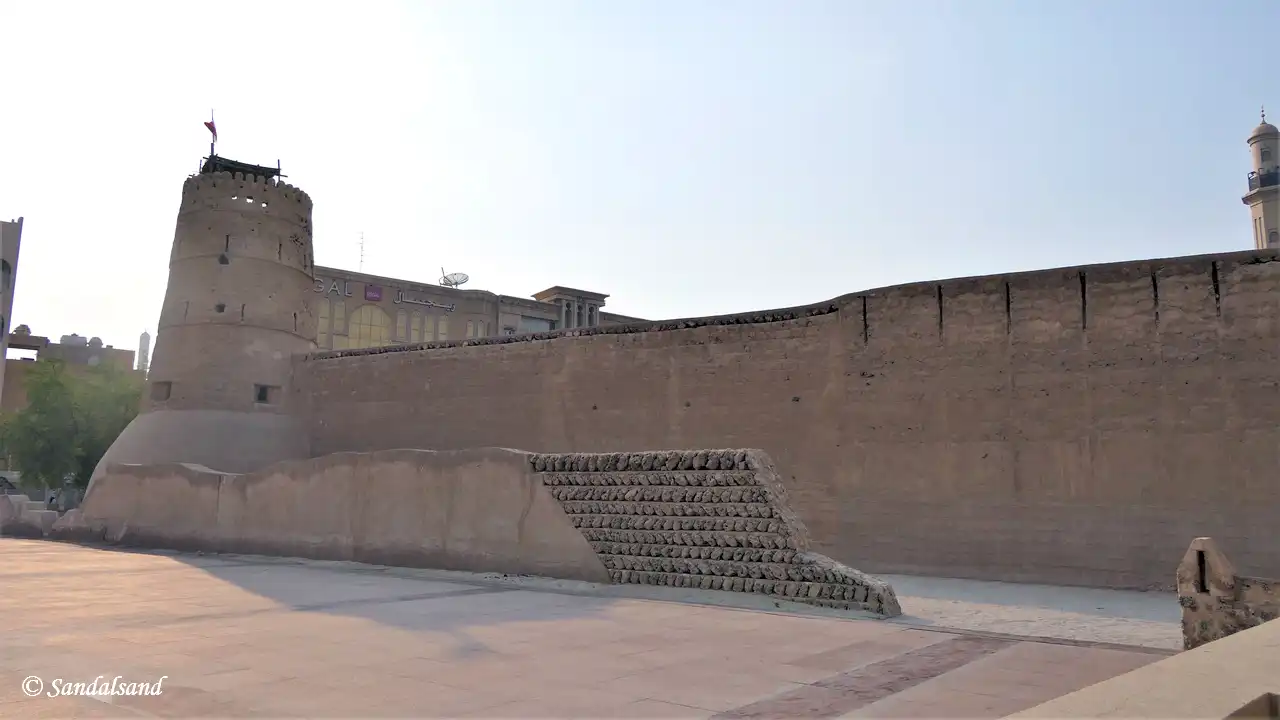
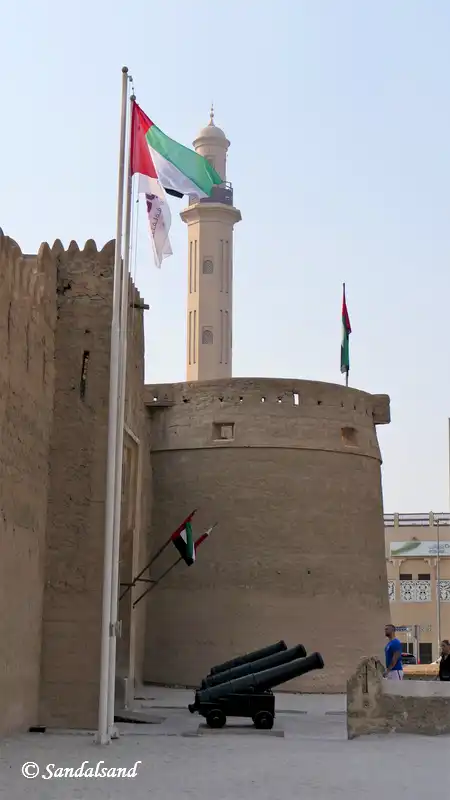
Housed in the Al Fahidi Fort, Dubai Museum tells the story of the city’s transformation from a small fishing village to a global metropolis. The ads tell a story of simple but effective displays — old photographs, traditional boats, and recreations of souk life before the oil boom. It’s compact but I only saw it from the outside.
Financial Centre
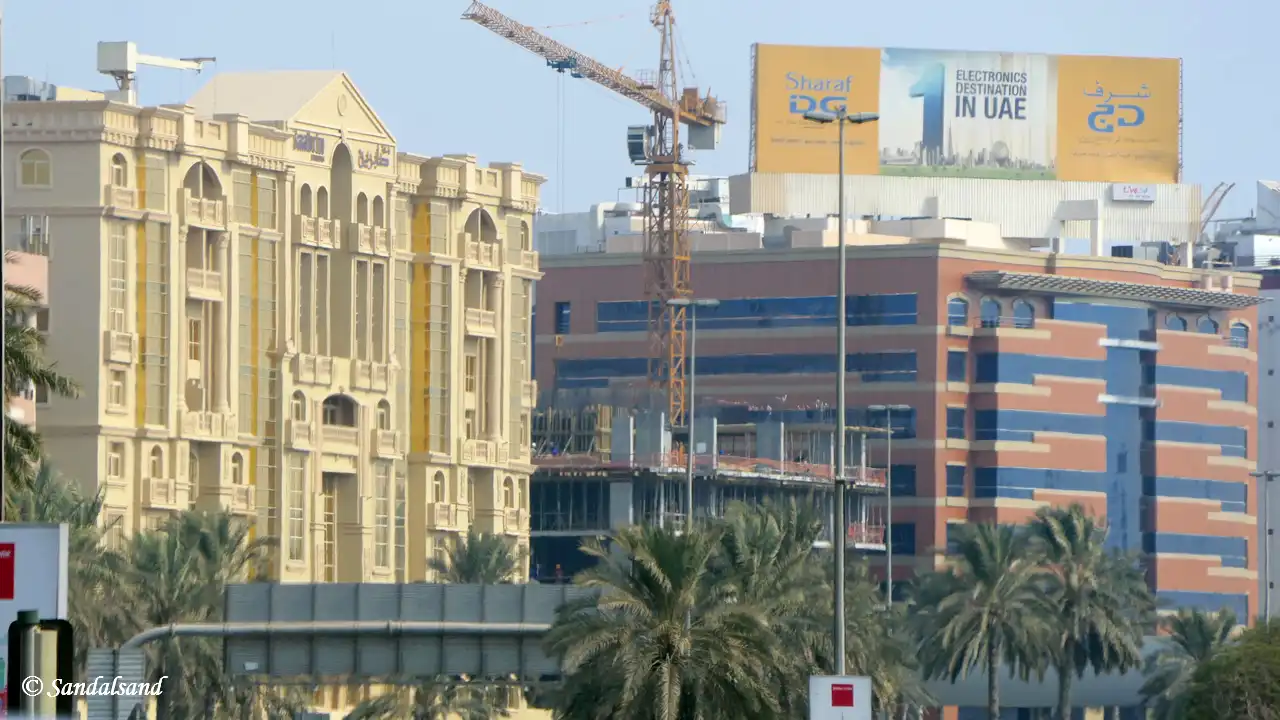
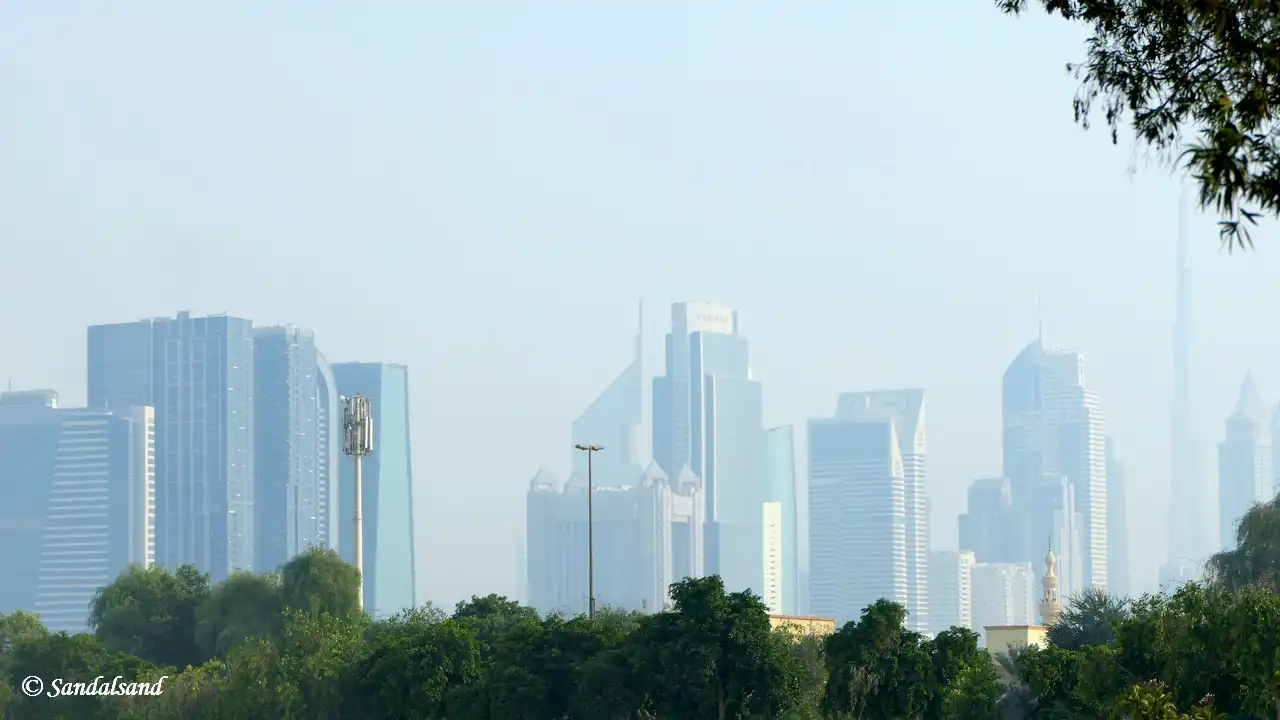
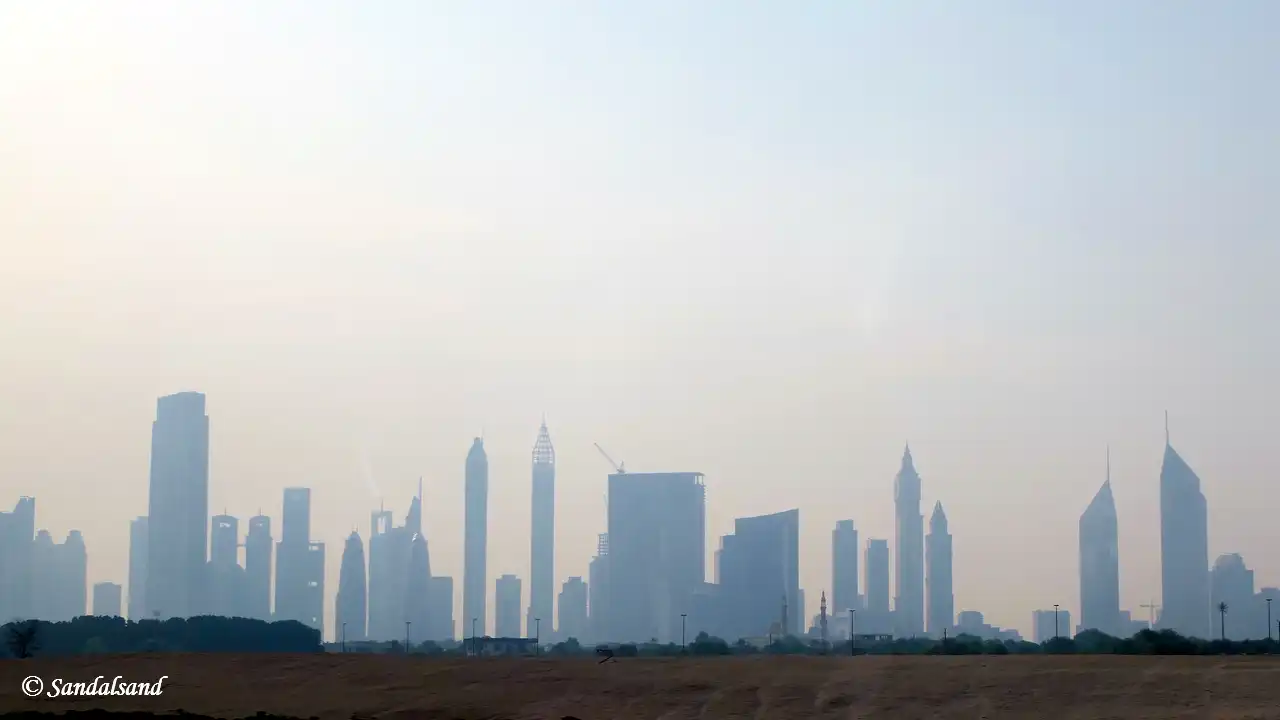
From there, we crossed into modern Dubai — steel and glass rising where sand once was. The Dubai International Financial Centre (DIFC) is the city’s slick business hub, filled with art galleries, fine dining, and polished skyscrapers. It’s a striking contrast to the old creekside quarters.
Bur Dubai and the Dubai Frame
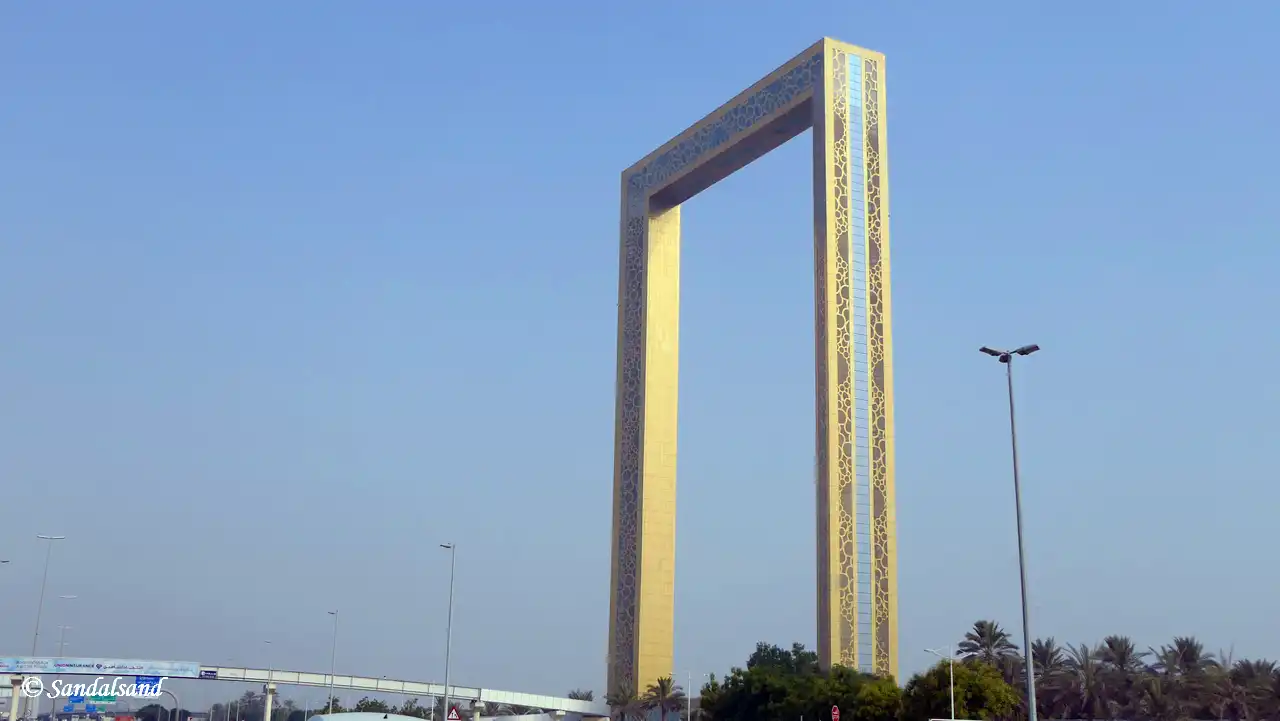
Driving through Bur Dubai, we reached one of the city’s newer icons — the Dubai Frame. This giant golden rectangle stands in Zabeel Park, framing the skyline with Old Dubai on one side and New Dubai on the other. The glass walkway on top offers a perfect metaphor for how the city bridges its past and future. For me that would be for another visit.
Zabeel Mosque
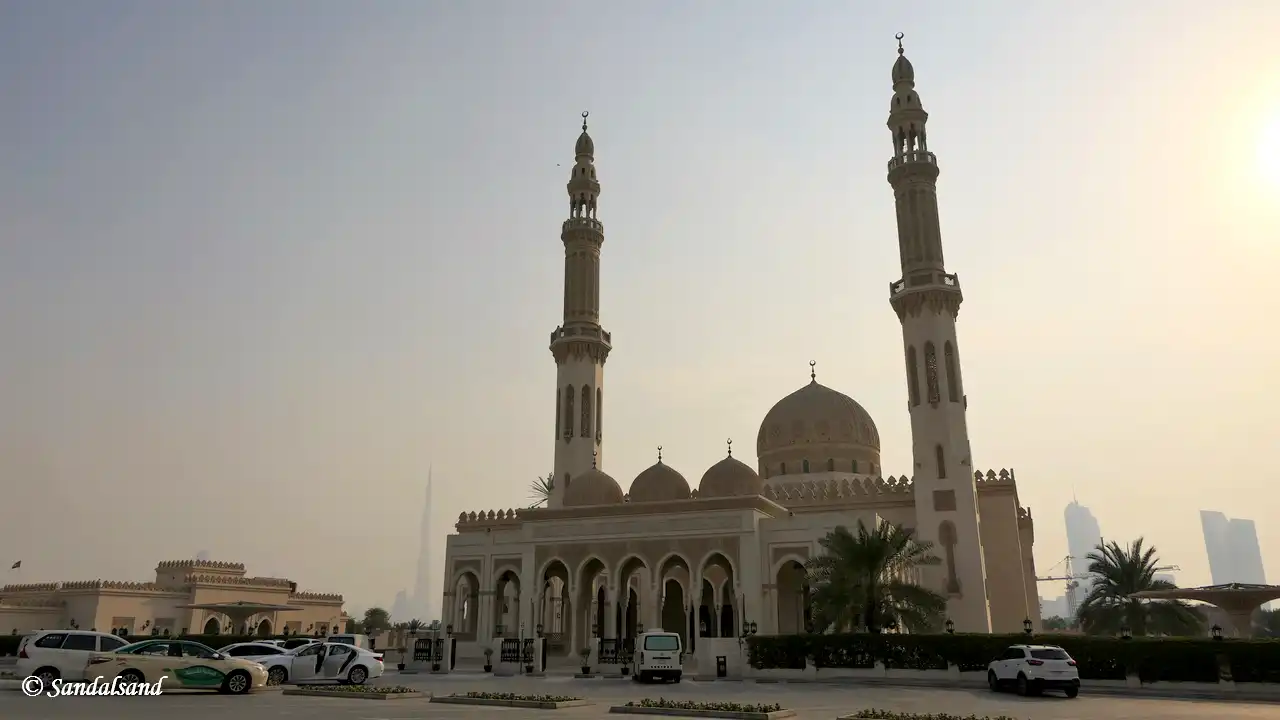
Not far away, the Zabeel Mosque is one of the most beautiful in the city, though less known than the Jumeirah Mosque. Its white domes and graceful arches make it a peaceful stop between the rush of skyscrapers.
The Palace of Sheikh Hamdan bin Rashid Al Maktoum
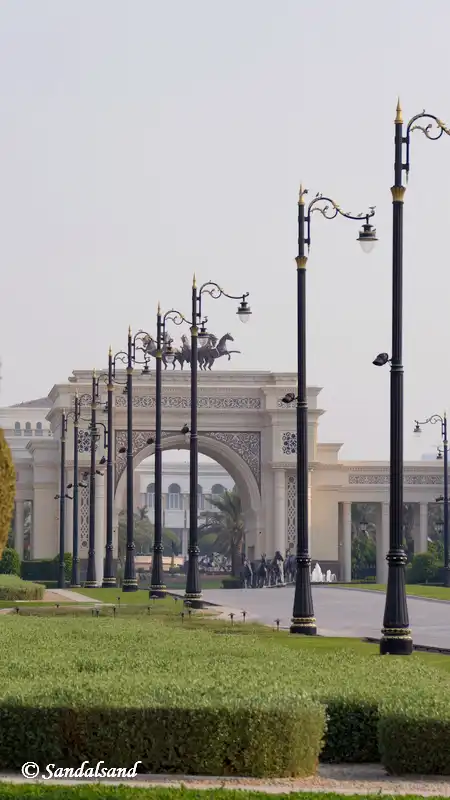
We drove past the palace of Sheikh Hamdan bin Rashid Al Maktoum, one of the residences of Dubai’s ruling family. While you can’t enter, the grand gates, manicured gardens, and imposing walls hint at the scale of royal life in the emirate. At the end of the day, this is one of the few remaining absolute monarchies in the world.
Burj Khalifa
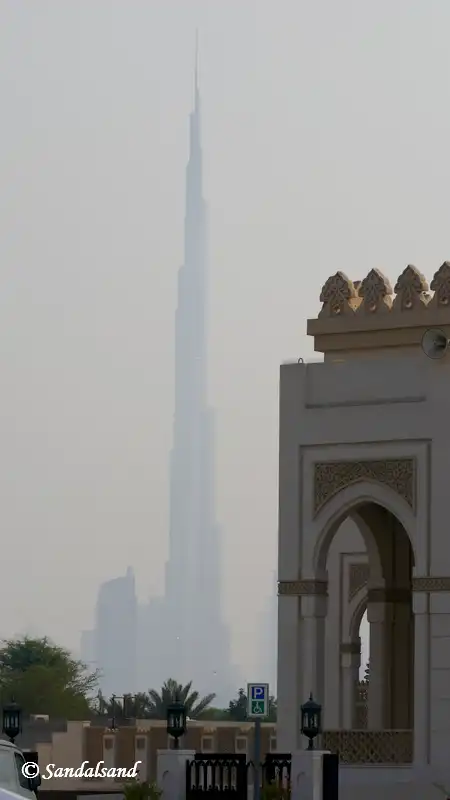
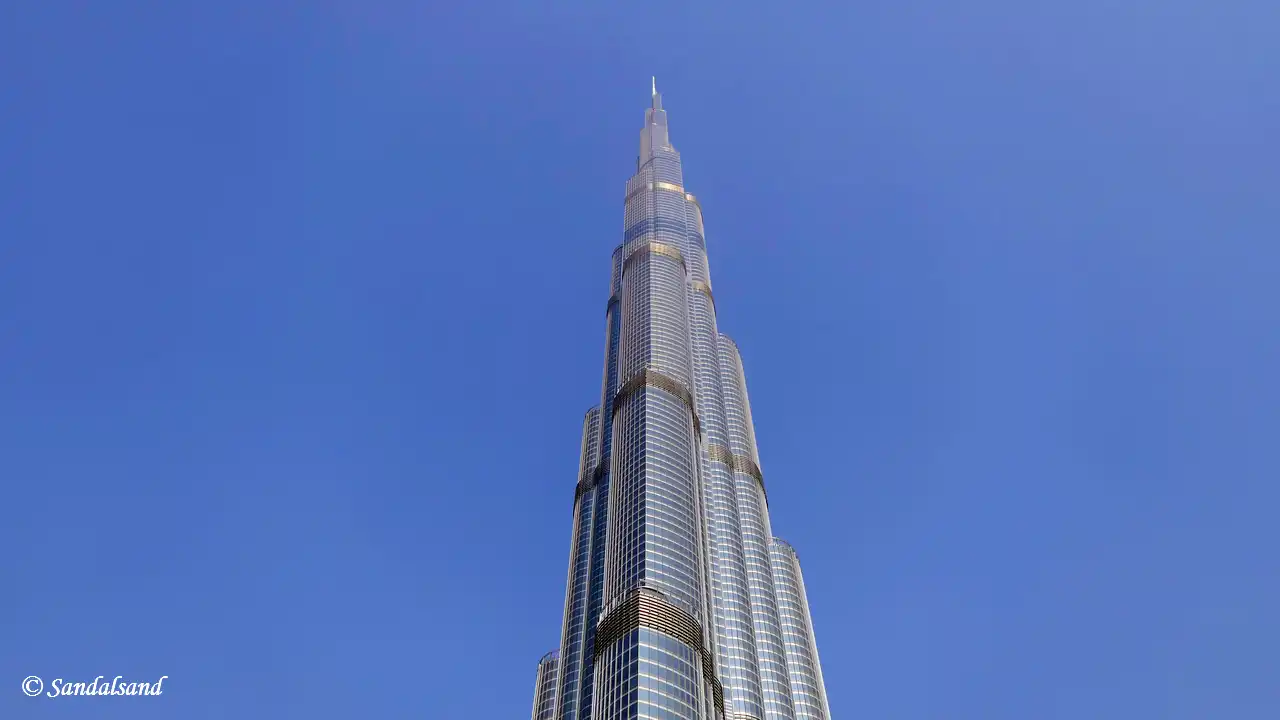
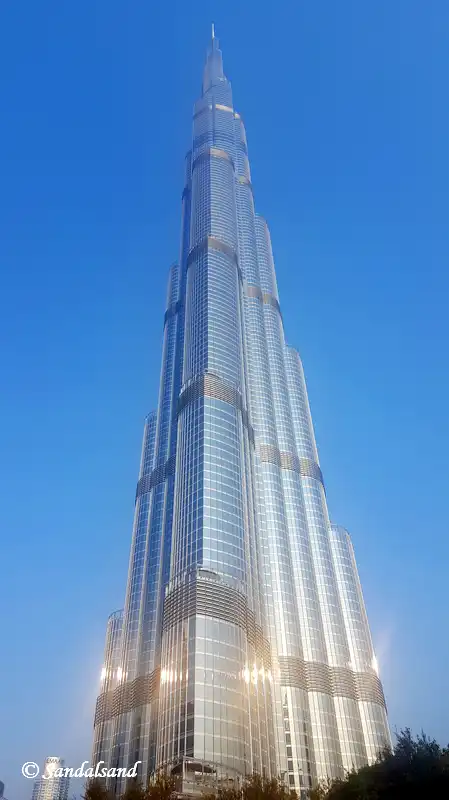
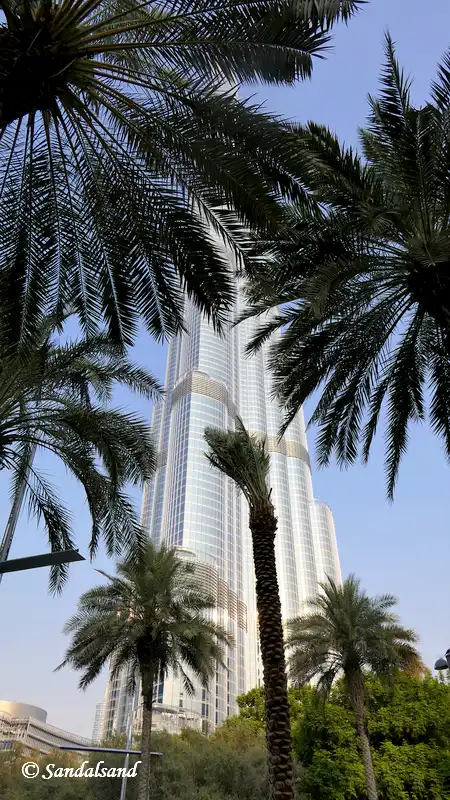
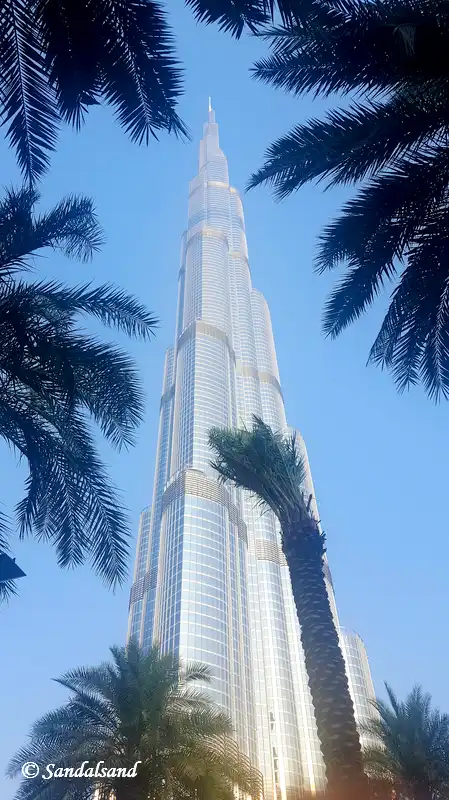
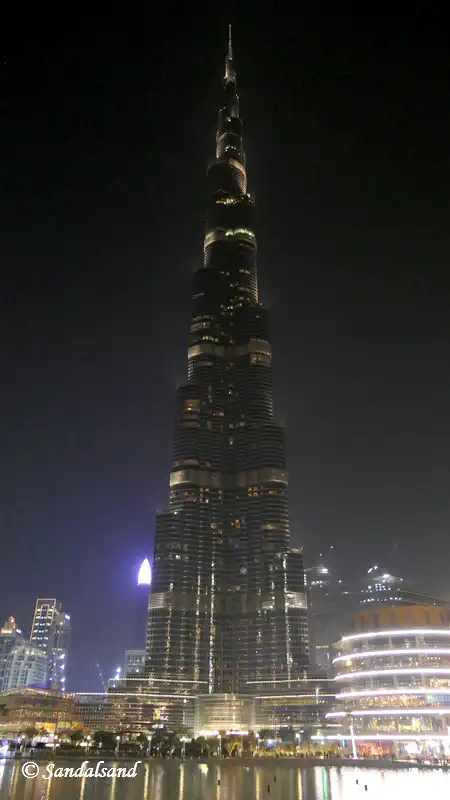
And then, of course — Burj Khalifa, the tallest building in the world. Standing beneath it is dizzying; the tower seems endless. You can visit the observation decks for panoramic views, but even from below, its presence defines the city’s skyline and ambition. If you do go inside, you'll have to pay. I dropped it.
We made a short photo-stop for a view of the tower. Have a look at these pictures. Isn't it impressive? I returned after sunset.
Dubai Marina
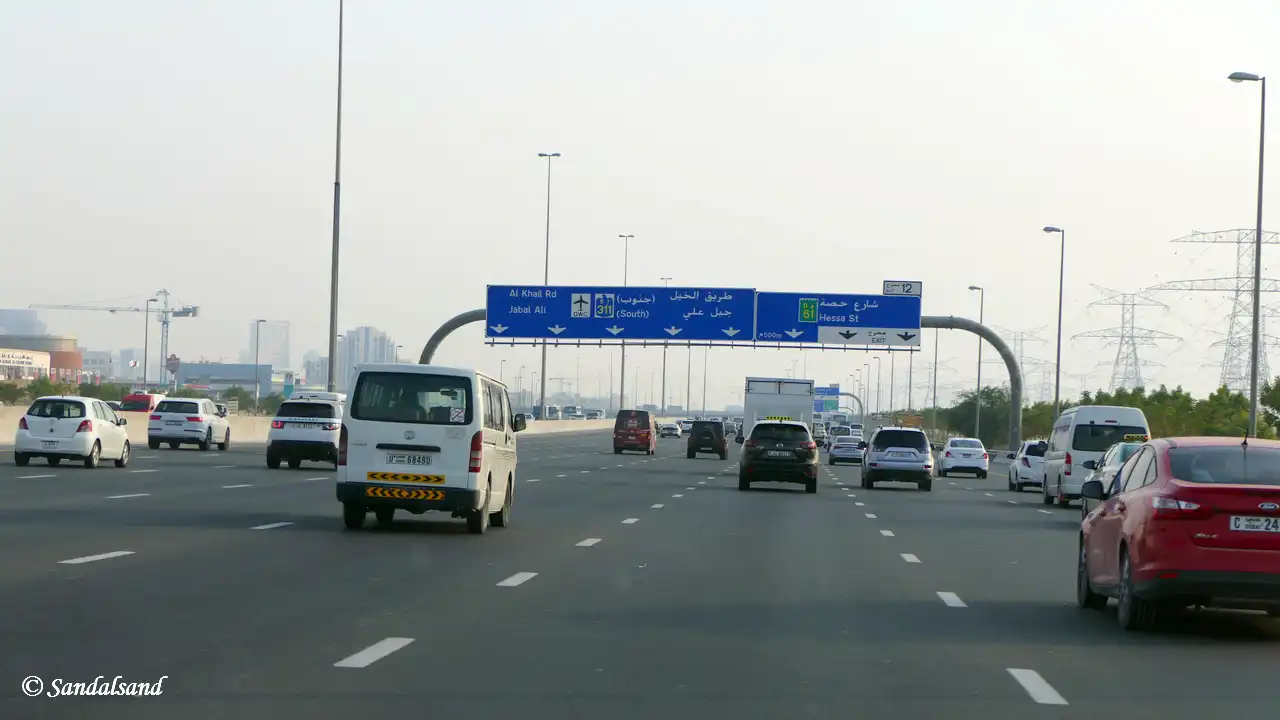
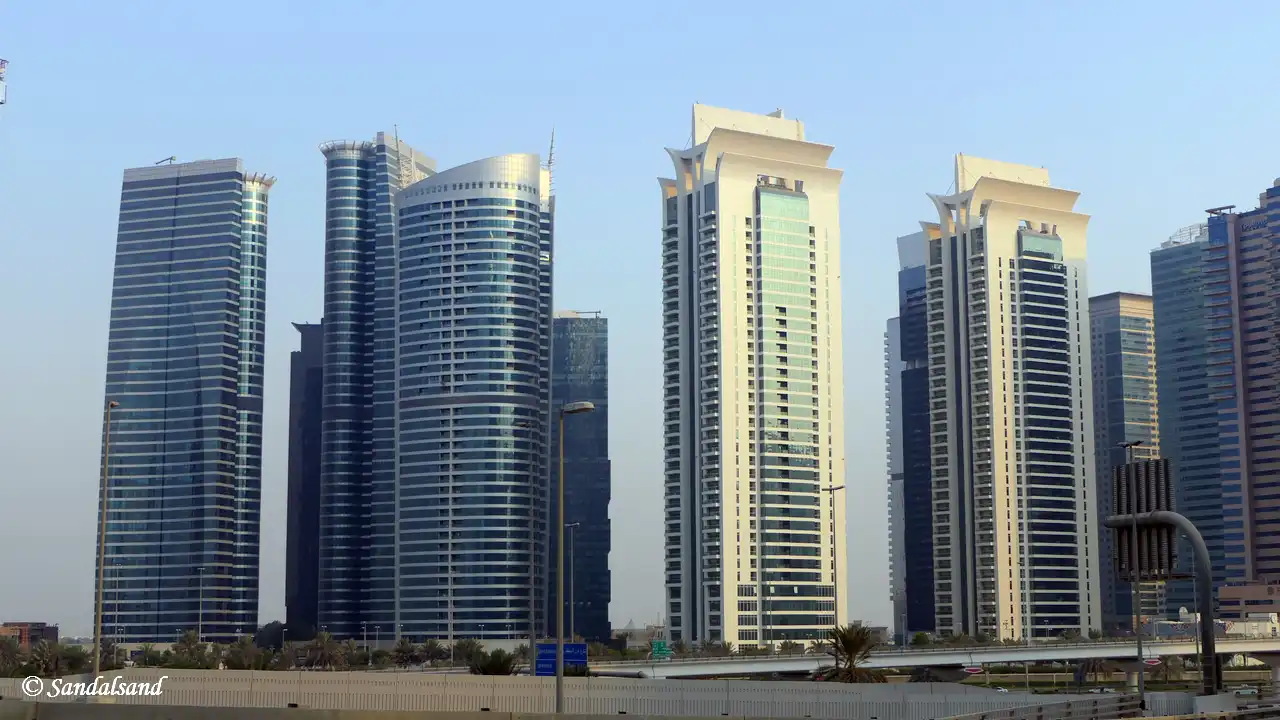
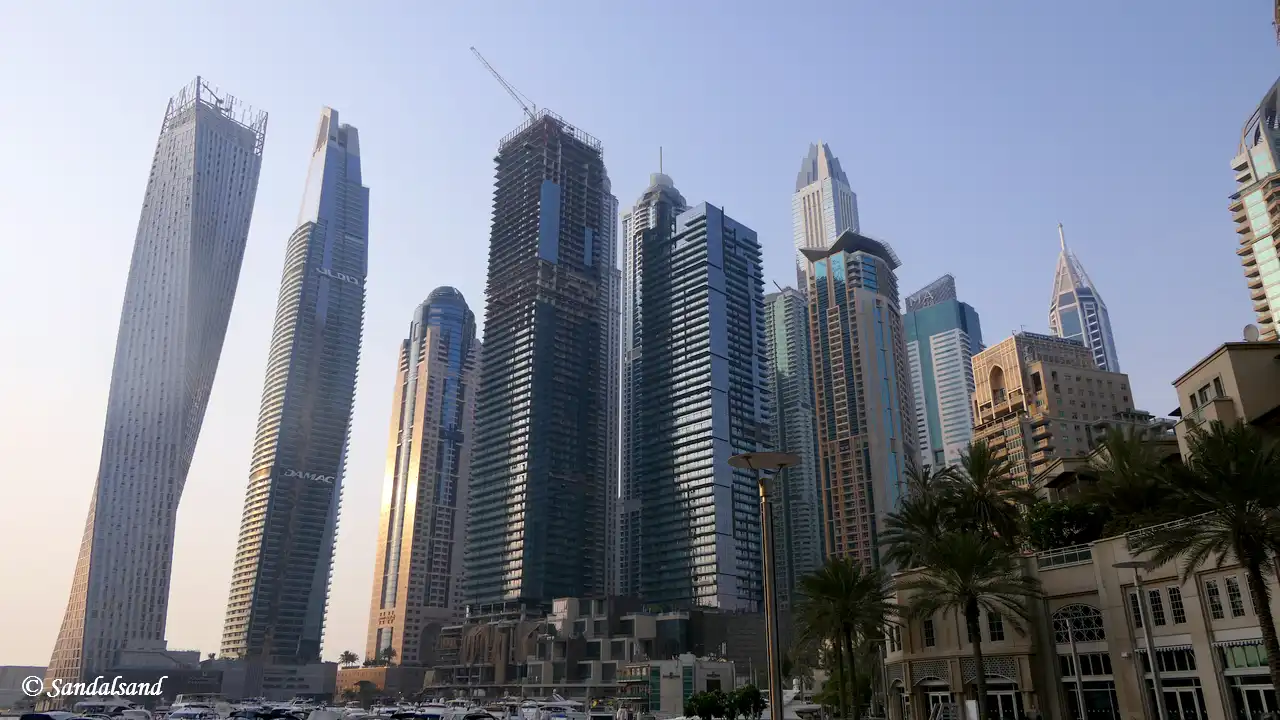
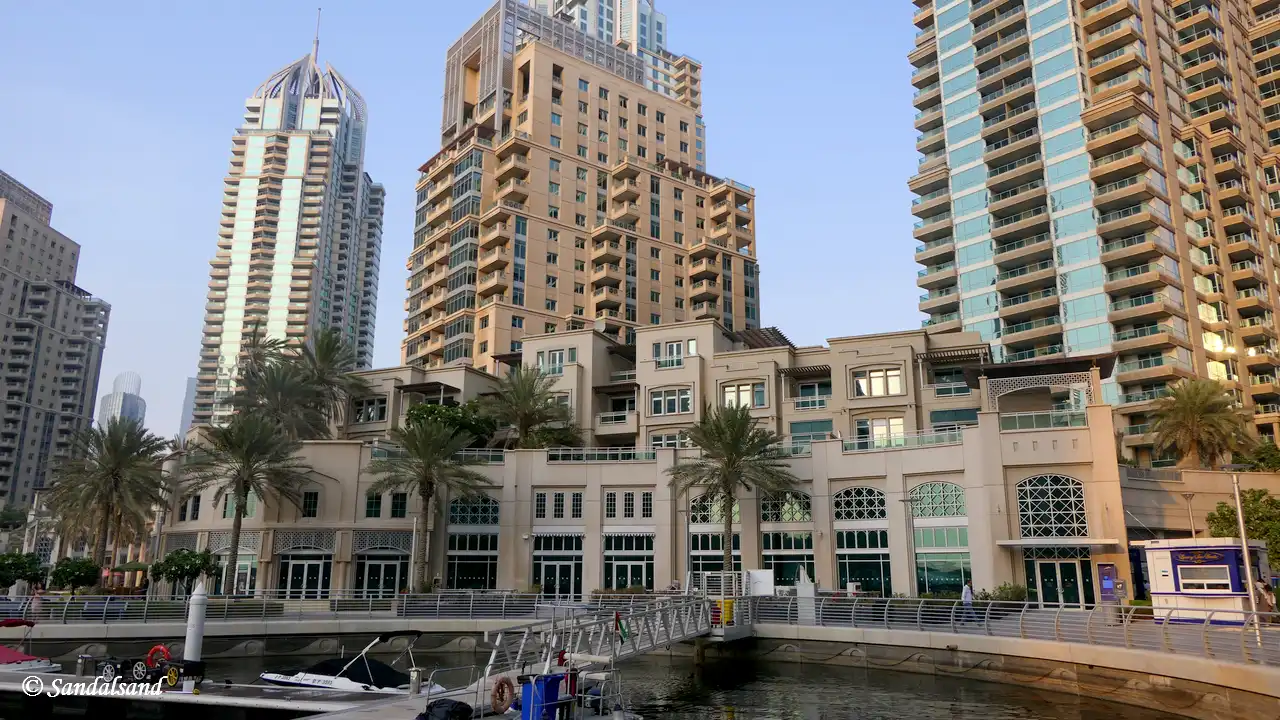
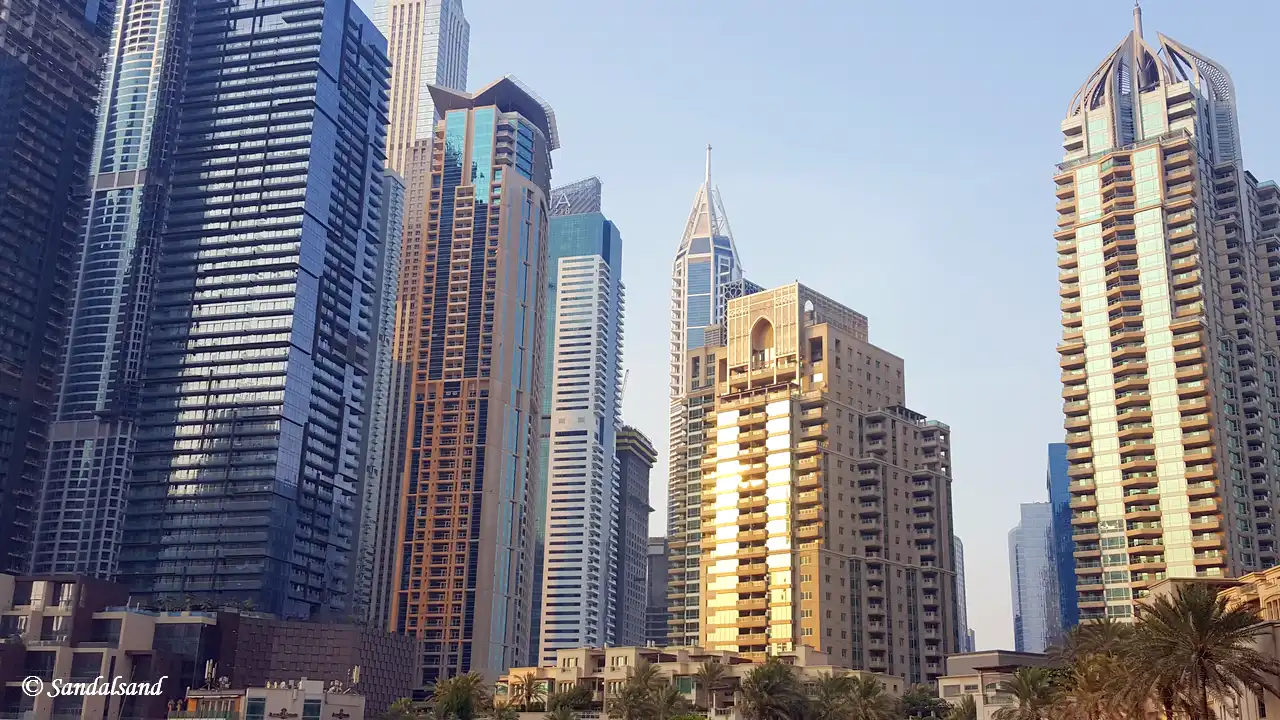
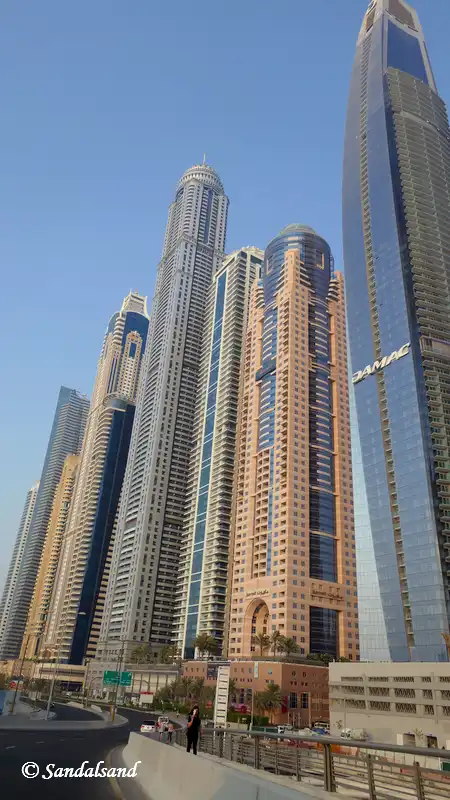
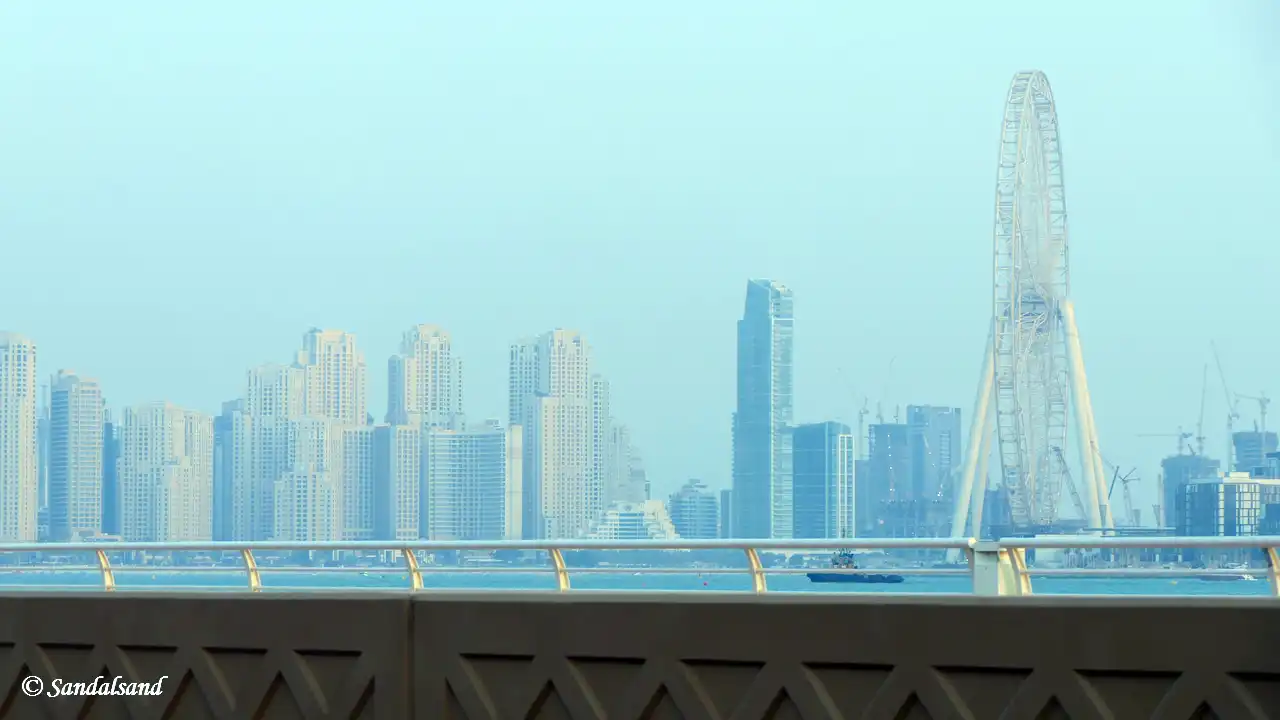
Next stop, Dubai Marina, a gleaming urban district of high-rises, yachts, and waterfront cafés. It’s modern Dubai at its most photogenic — especially if you walk along the promenade or take a dhow cruise through the canal.
I dropped the dhow cruise for lack of time, but walked a bit along the charming waterfront and gazed up on the multitude of high-rises towering above.
The Palm Jumeirah
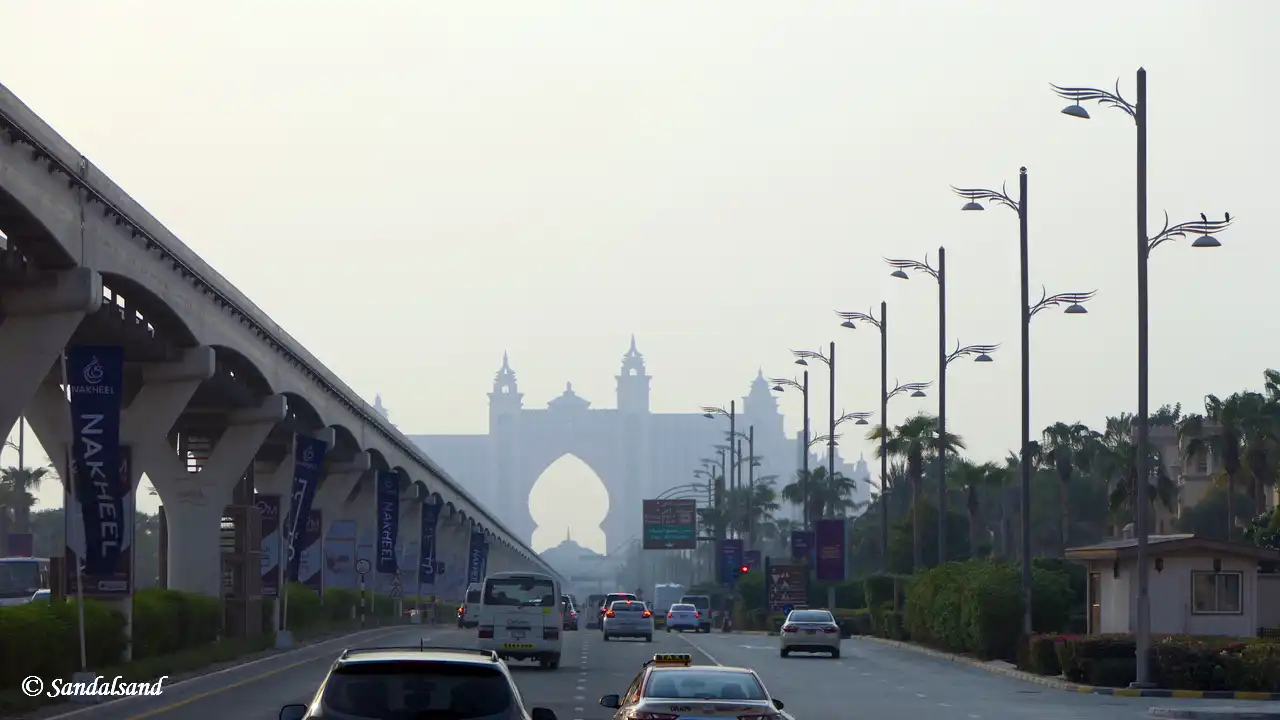
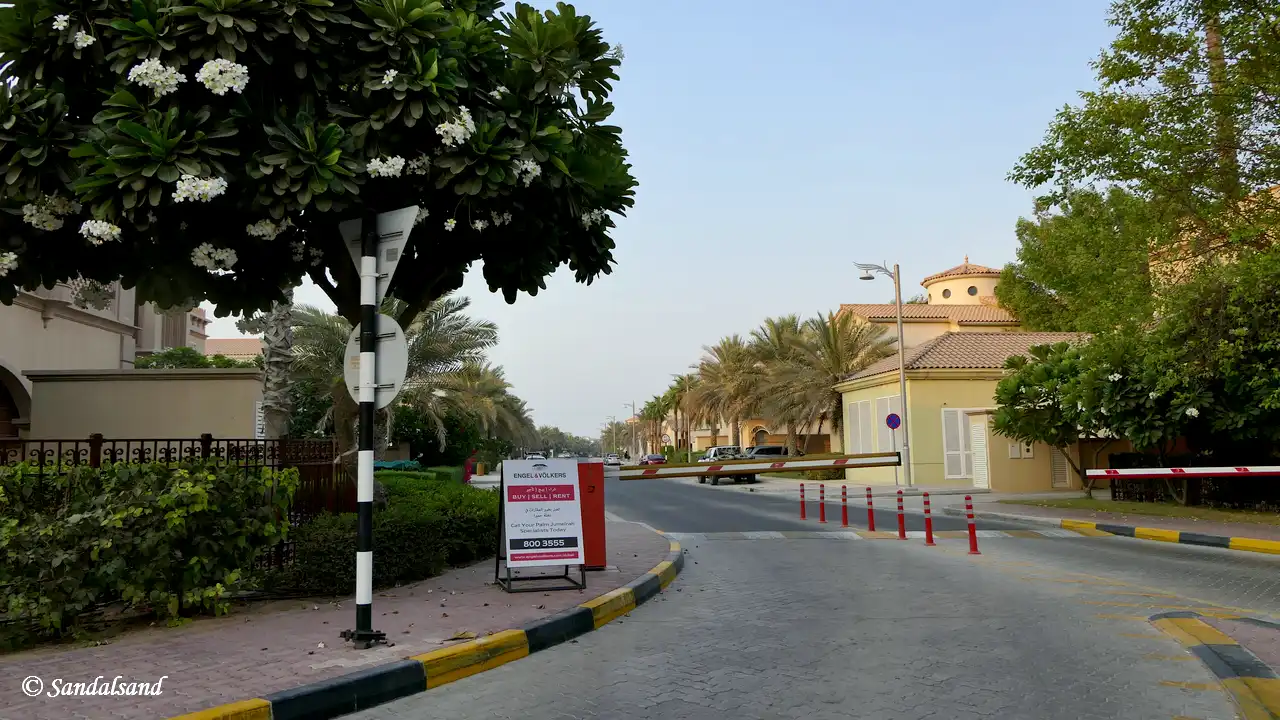
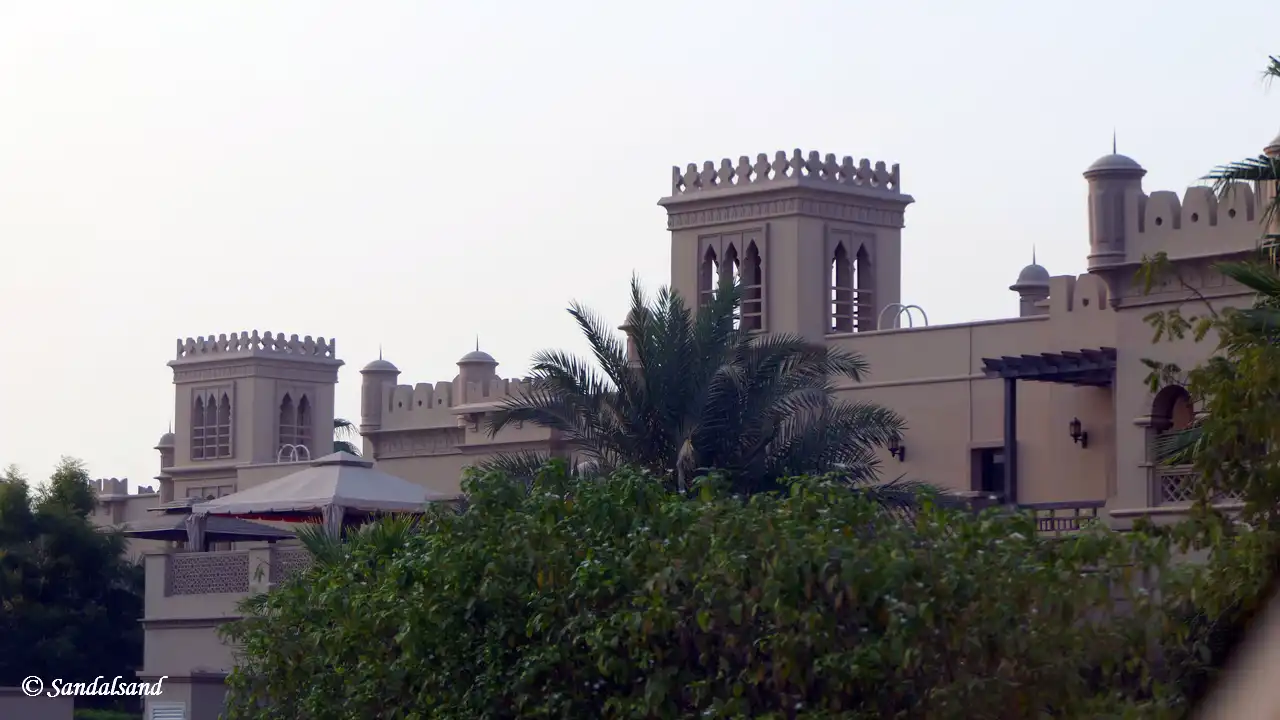
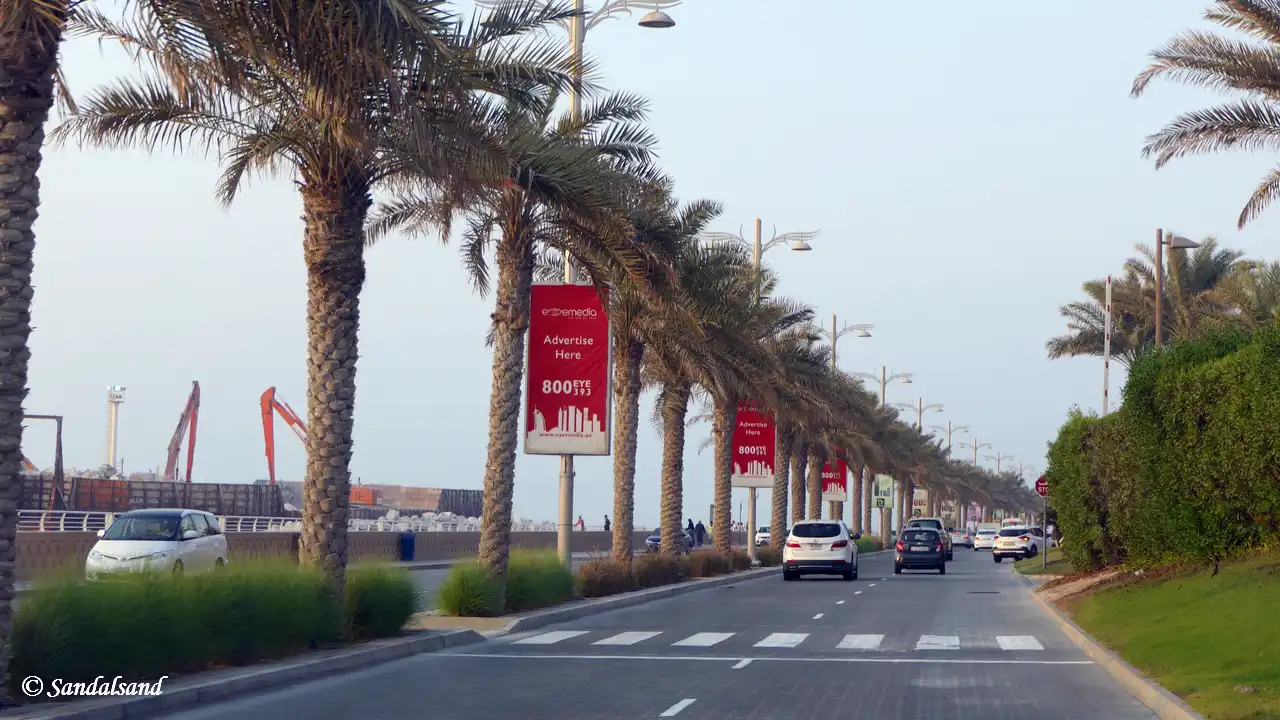
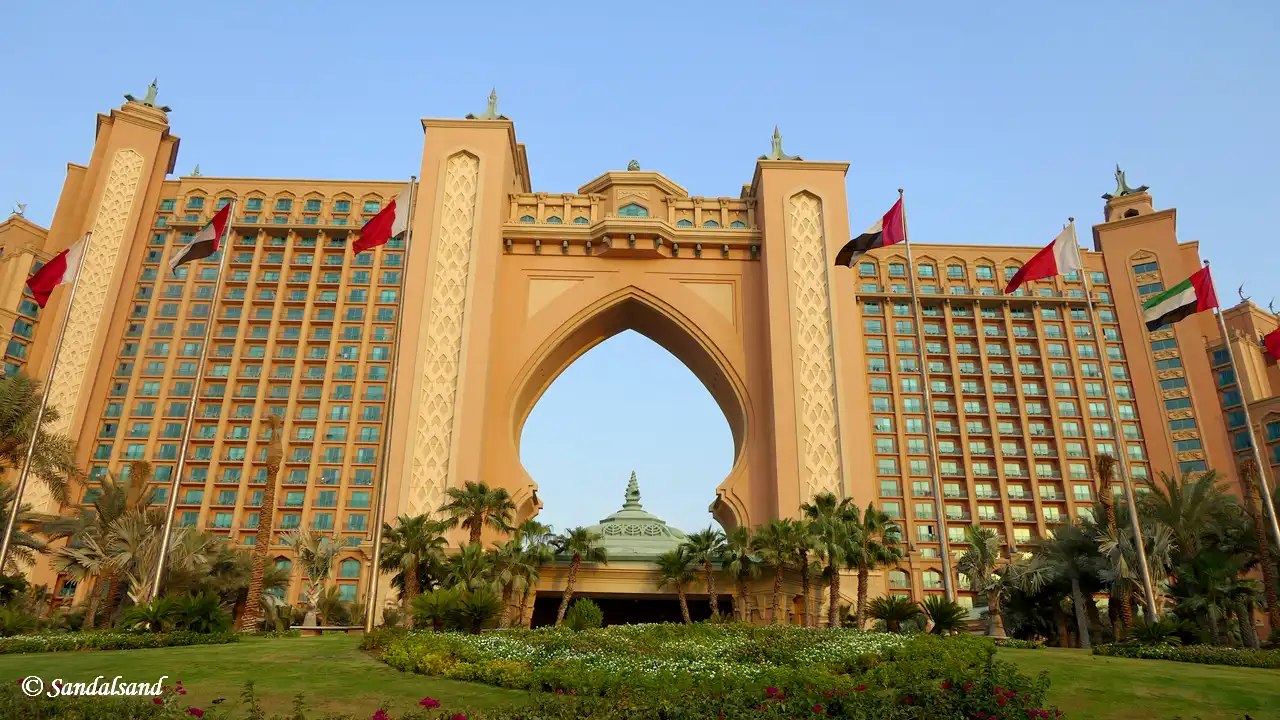
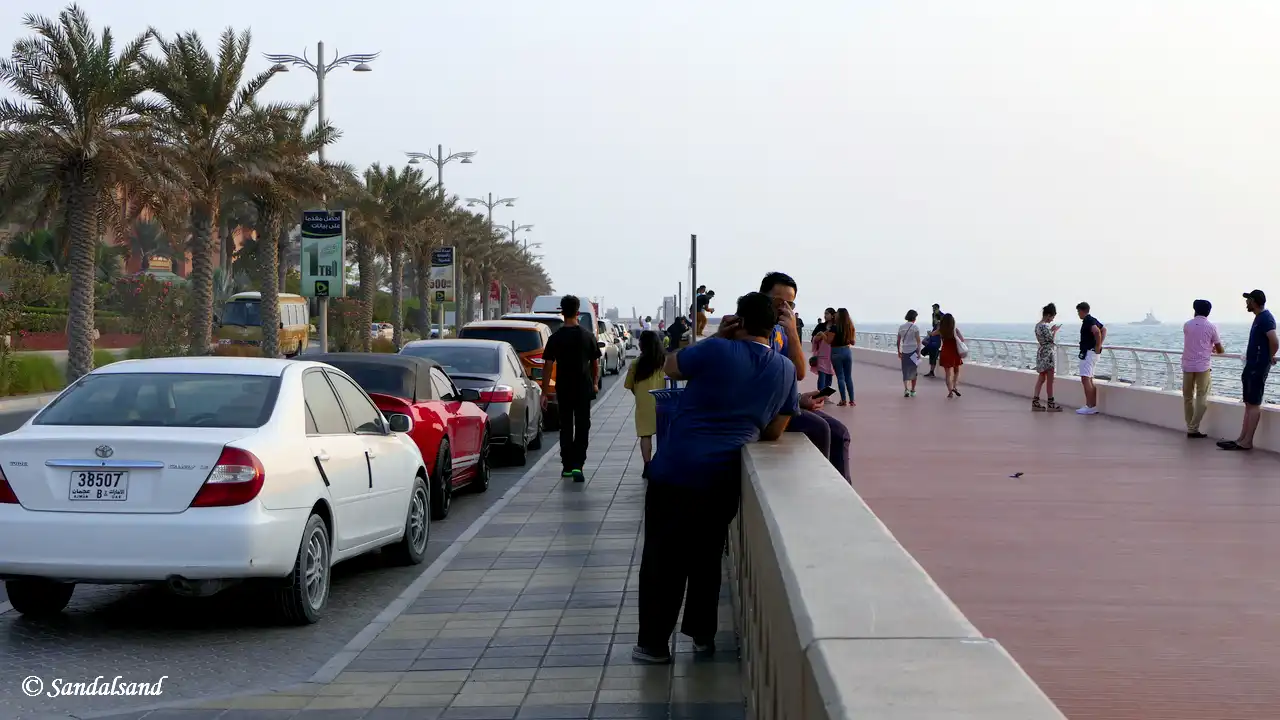
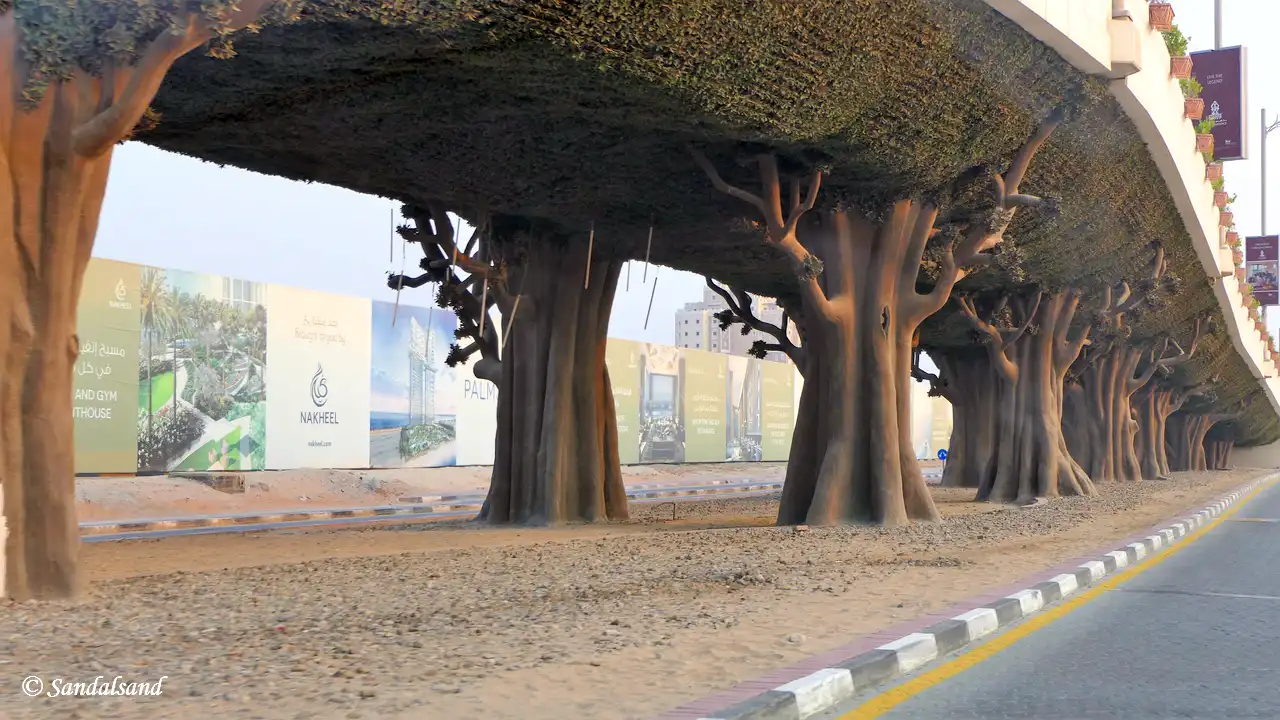
From there, we drove onto The Palm Jumeirah, a massive artificial island shaped like a palm tree. It’s home to luxury hotels, beach clubs, and some of the most expensive real estate in the world. Driving along the “trunk” and “fronds,” you can only admire the scale of human engineering in the desert.
Jumeirah Public Beach and Burj Al Arab
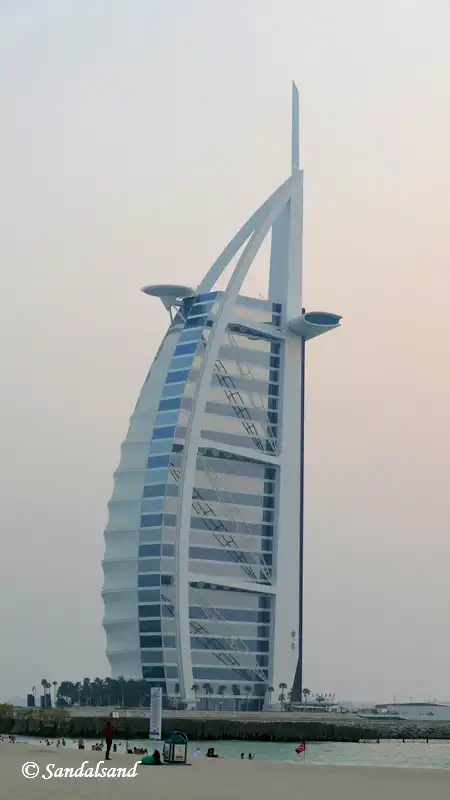
We made a brief stop at Jumeirah Public Beach, where locals and tourists alike cool off and take selfies with the Burj Al Arab in the background. The sail-shaped hotel remains one of Dubai’s most iconic sights, even for those of us just admiring it from the sand. That famous hotel is still recognised as one of the most luxurious hotels in the world, inside. However, compared to the much newer Burj Khalifa the exterior was a slight disappointment.
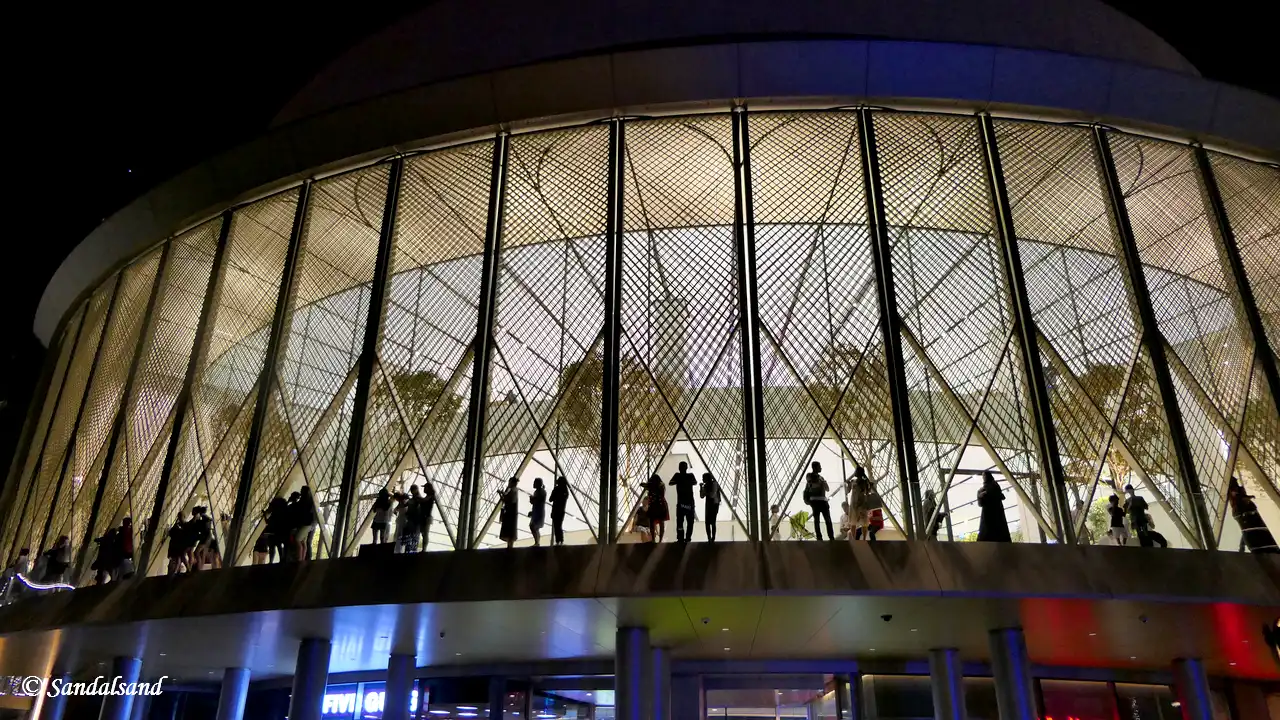
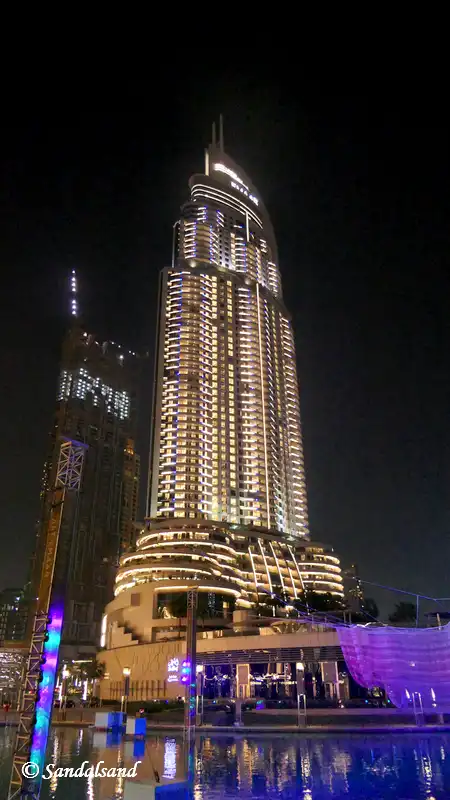
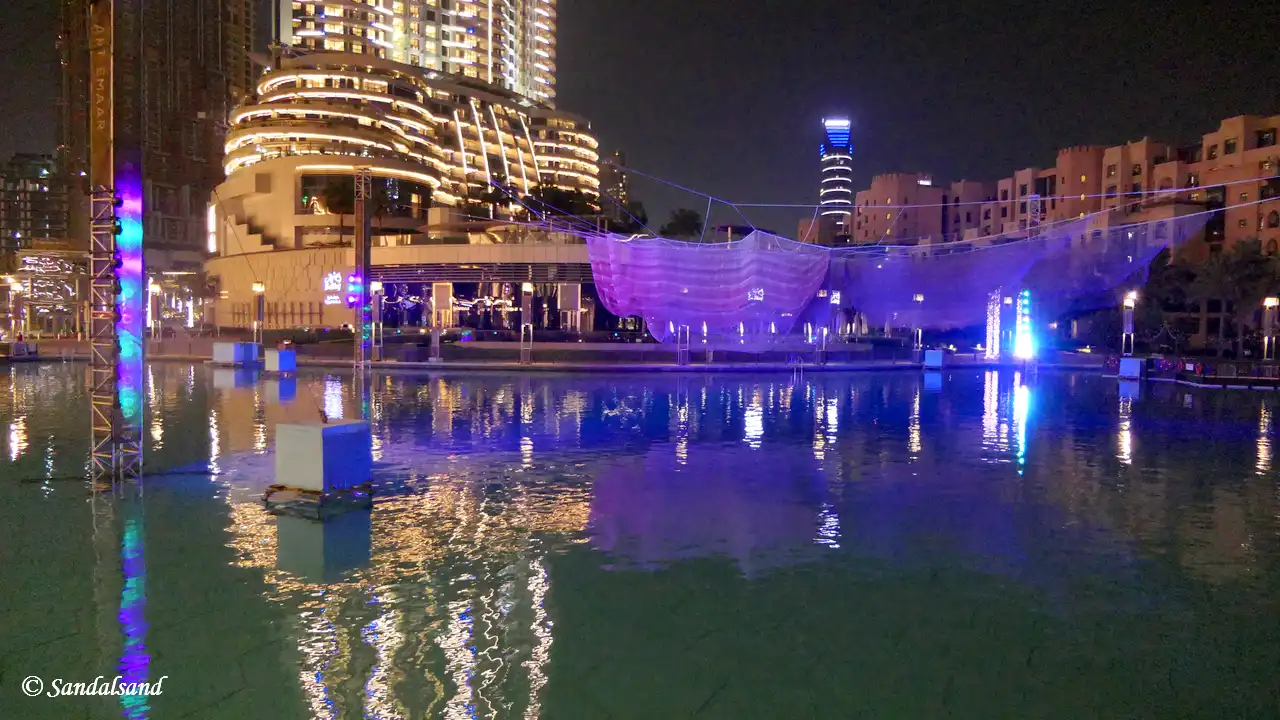
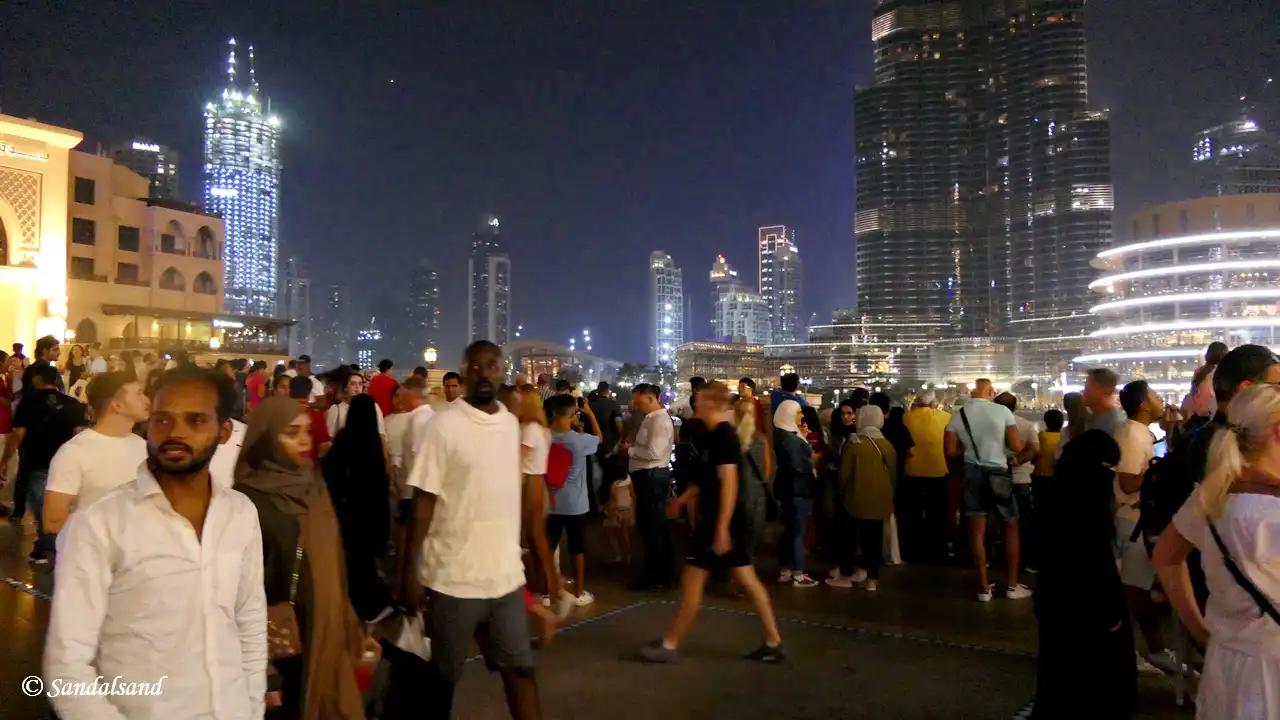
Dubai Mall and Dubai Fountain
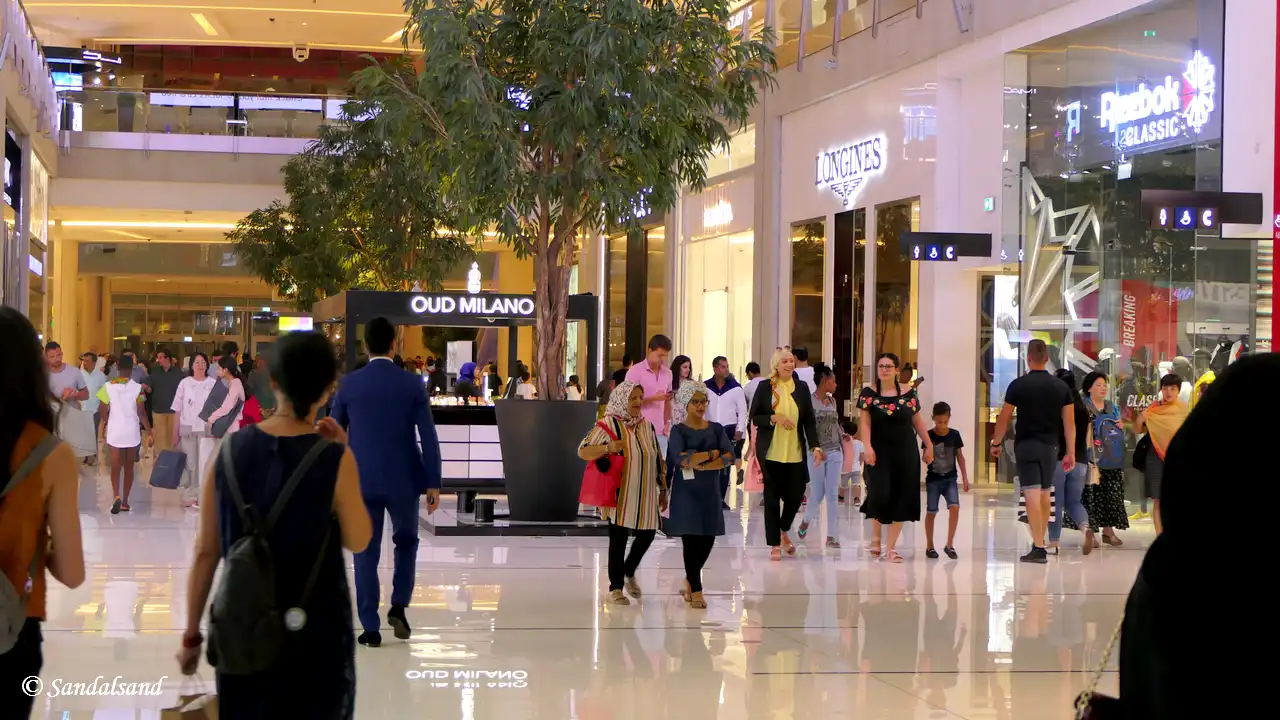
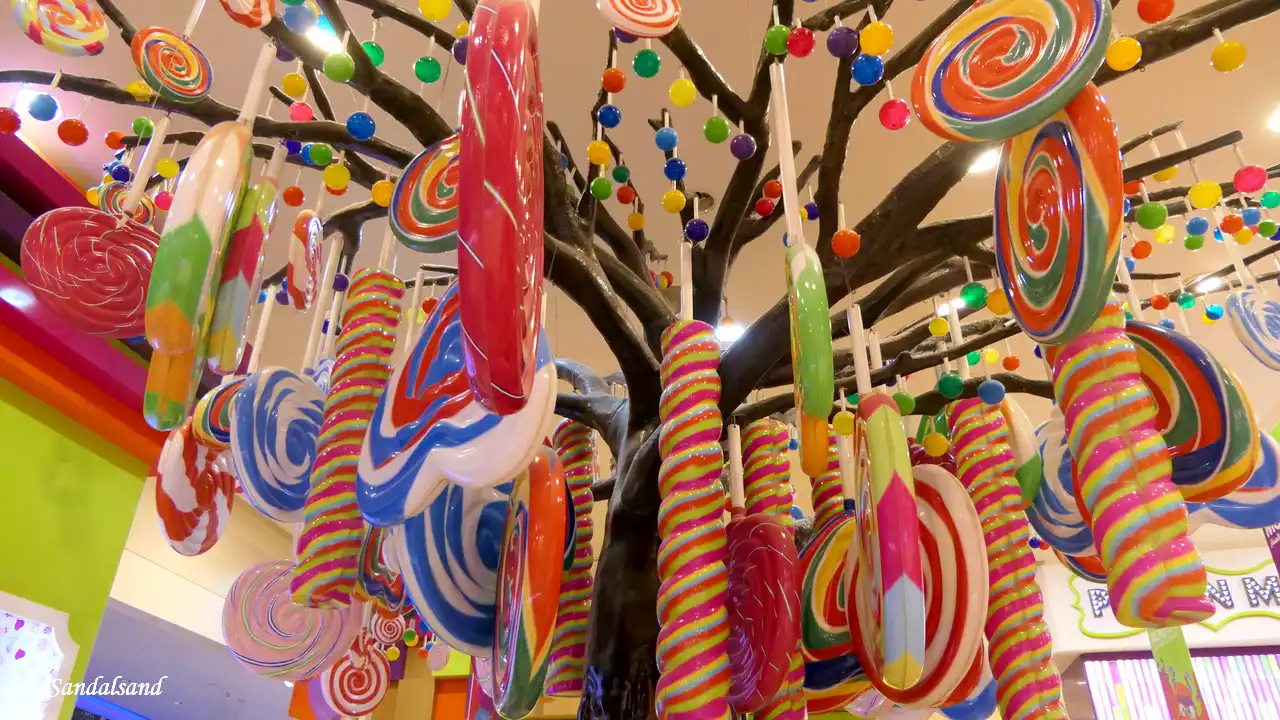
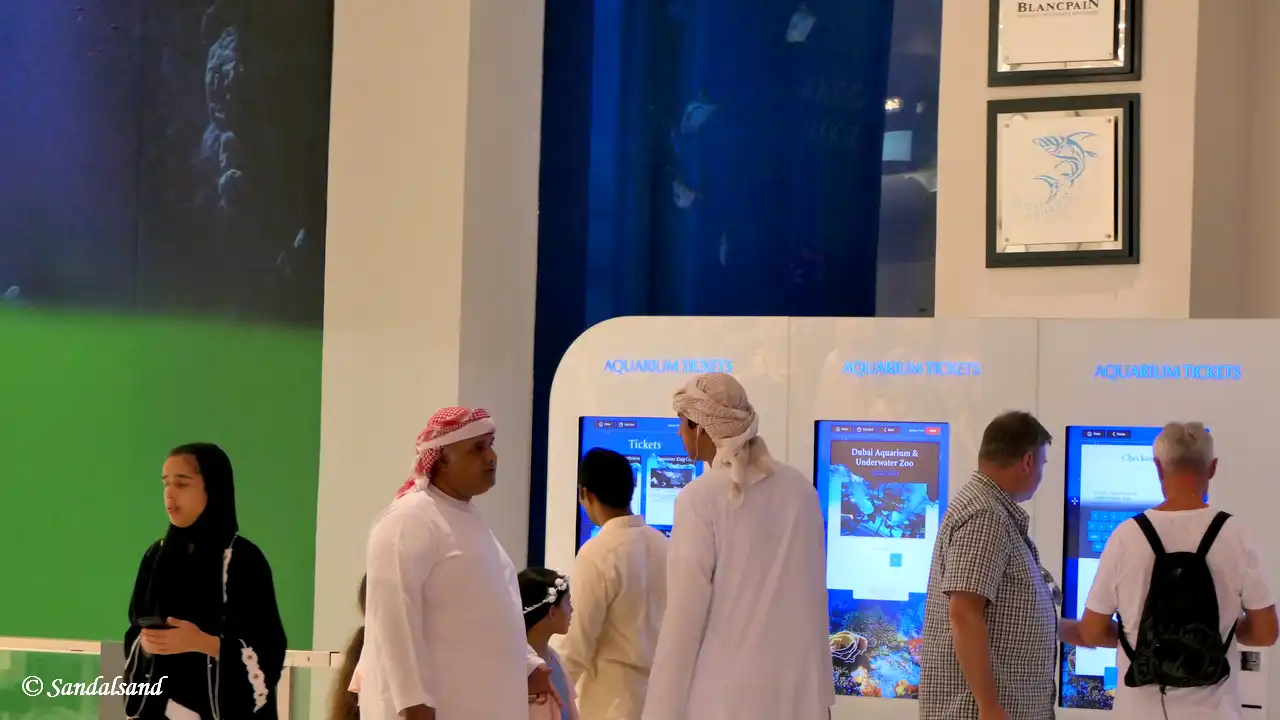
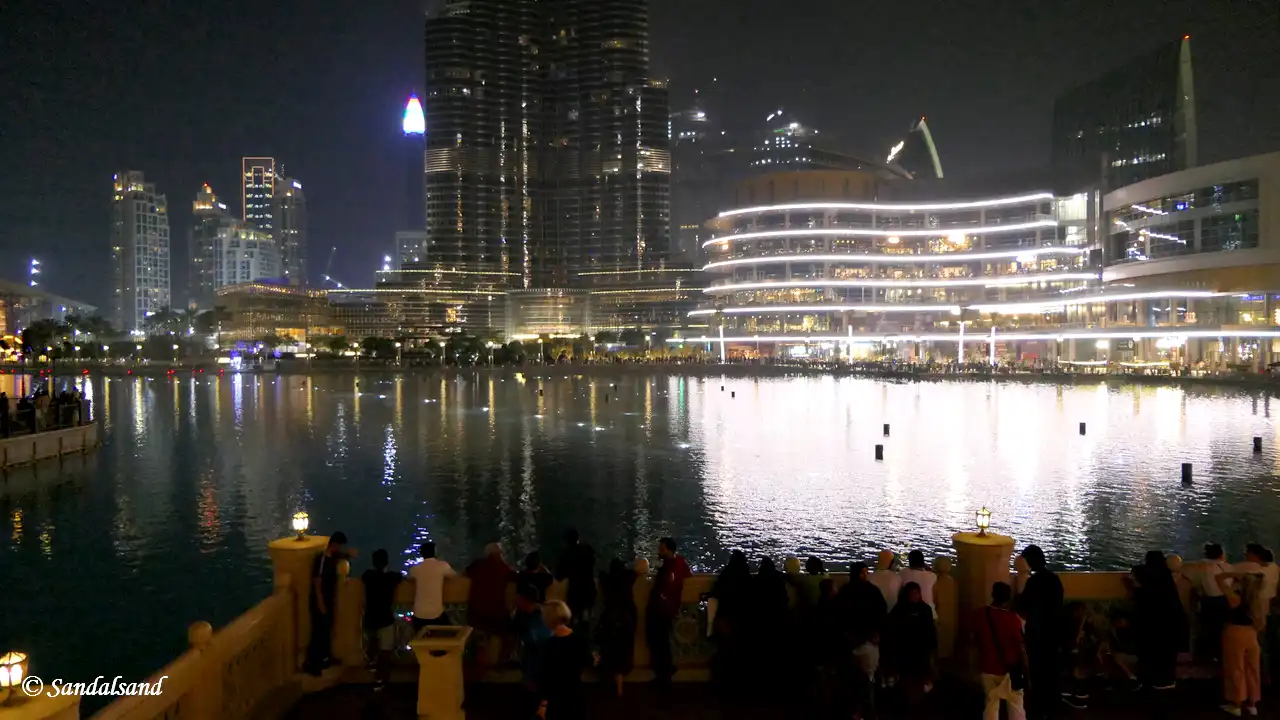
We ended the day back downtown at Dubai Mall, a destination in itself with thousands of shops, restaurants, and even an aquarium. Generally, I'm not very keen on shopping centres, but the Arab world is. One simply cannot visit a Gulf state without spending at least some time inside a shopping mall.
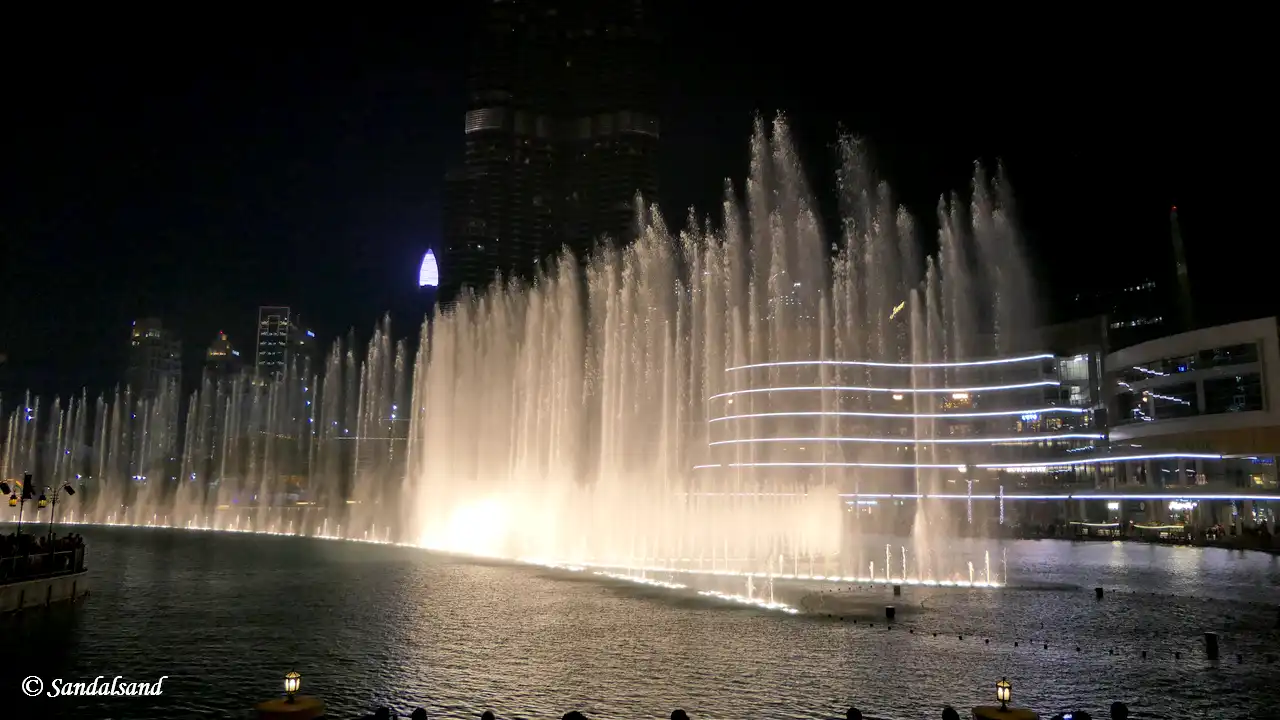
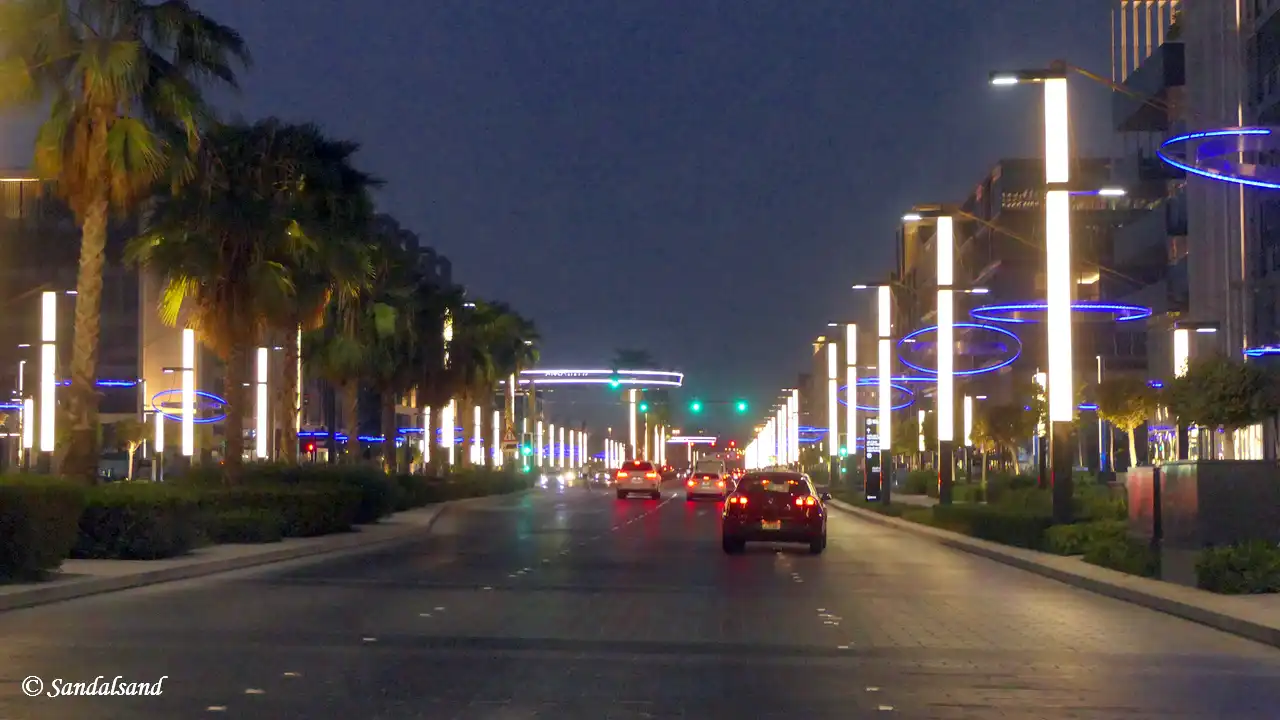
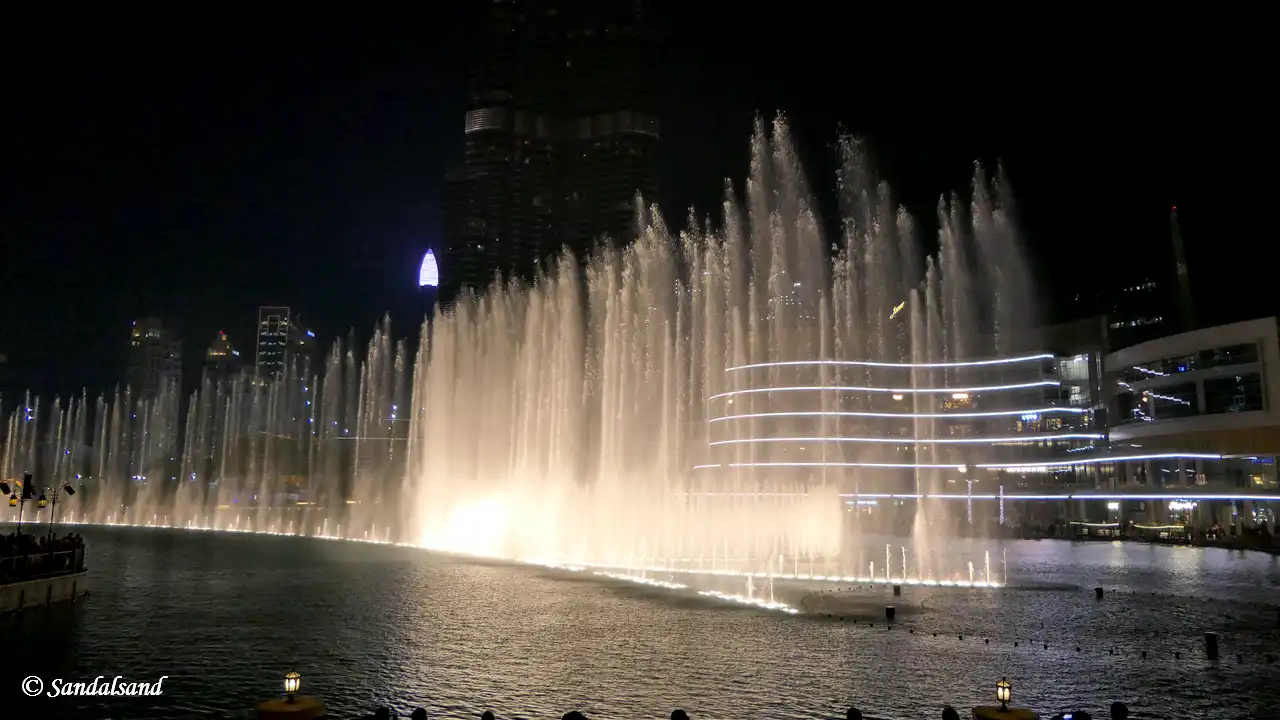
Just outside, the Dubai Fountain puts on its famous water show every evening, set to music and lights with Burj Khalifa towering above. That was more to my liking. It was a perfect finale to a whirlwind day in a city that never seems to slow down.
Conclusion
A few hours on the road offered only a glimpse of Dubai’s contrasts — from wind-tower alleys to sky-piercing glass, from quiet mosques to choreographed fountains. It’s a city that reinvents itself daily, yet still hints at the trading port it once was.
I was thoroughly impressed by what this small emirate has accomplished over just a few decades, and I'll be excited to return. Next time, I’ll stay longer — but even this short visit left a lasting impression.
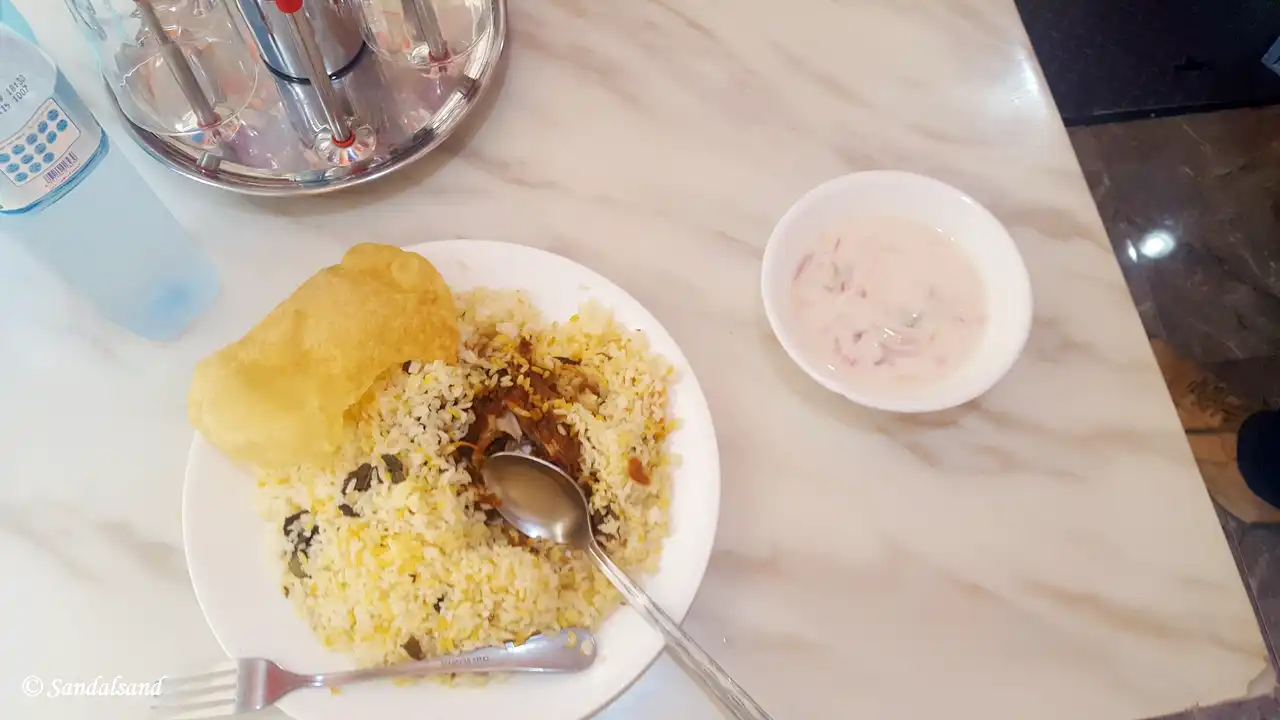
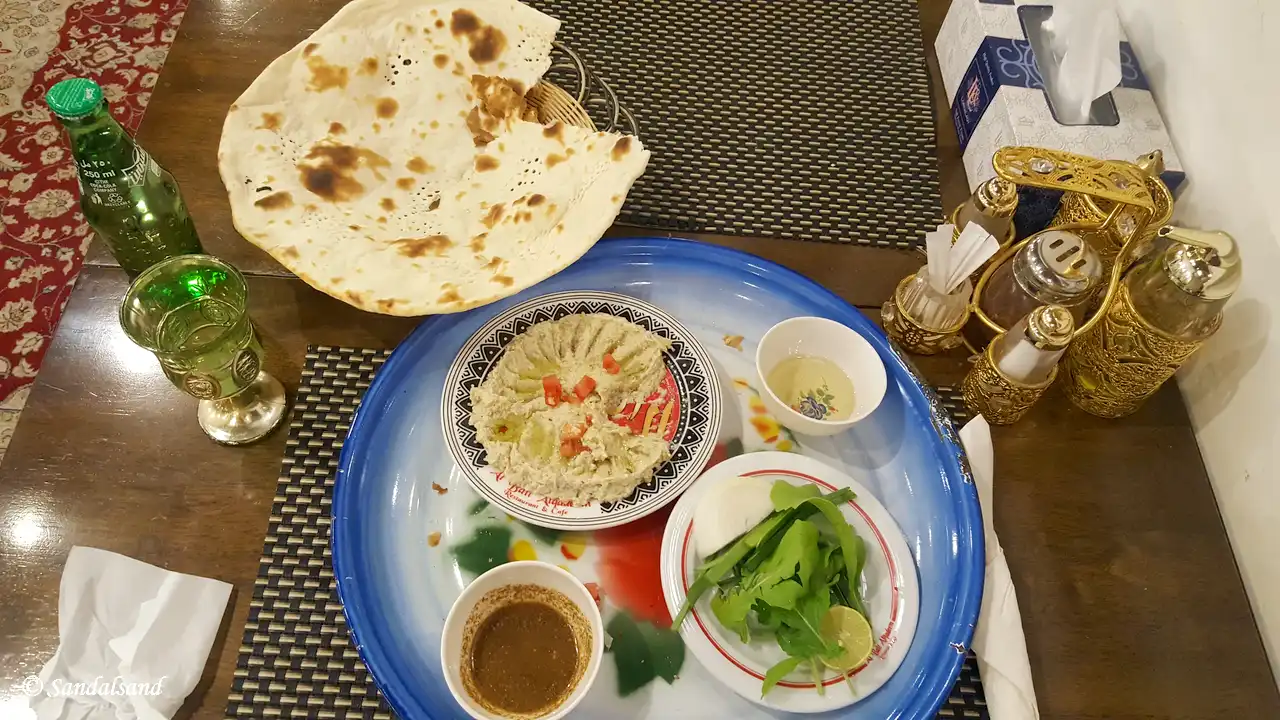
This evening I returned to the Spice Souk for a delicious meal and a good night's sleep before my final journey home.
Read more
If you're reading this there is a good chance you are looking to spend a day or more in Dubai. You will find a number of sources on the web to read up on. A convenient starting point would be VisitDubai, the official tourist information site.
Here at Sandalsand you can look up other articles from the United Arab Emirates and other destinations in the Middle East as well.
