 Sandalsand Norge >>
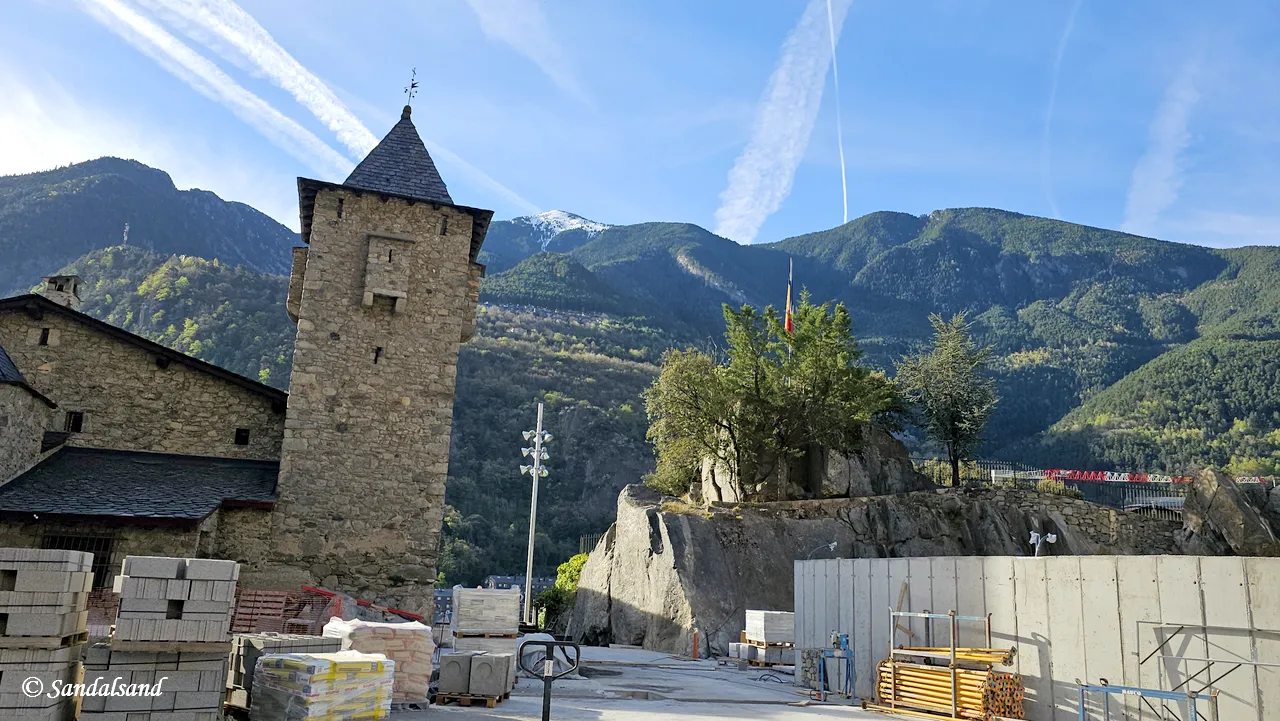
This is a collection of pictures from Andorra. The tiny country nestled high in the Pyrenees between France and Spain remains a mystery.
If you look up all articles from Andorra, you may in time also find a regular travelogue. Before you do, start with these pictures from Andorra.
Andorra, a Pyrenean microstate of 80K people, lies between France and Spain. Known for mountains, skiing, and tax-friendly economy.
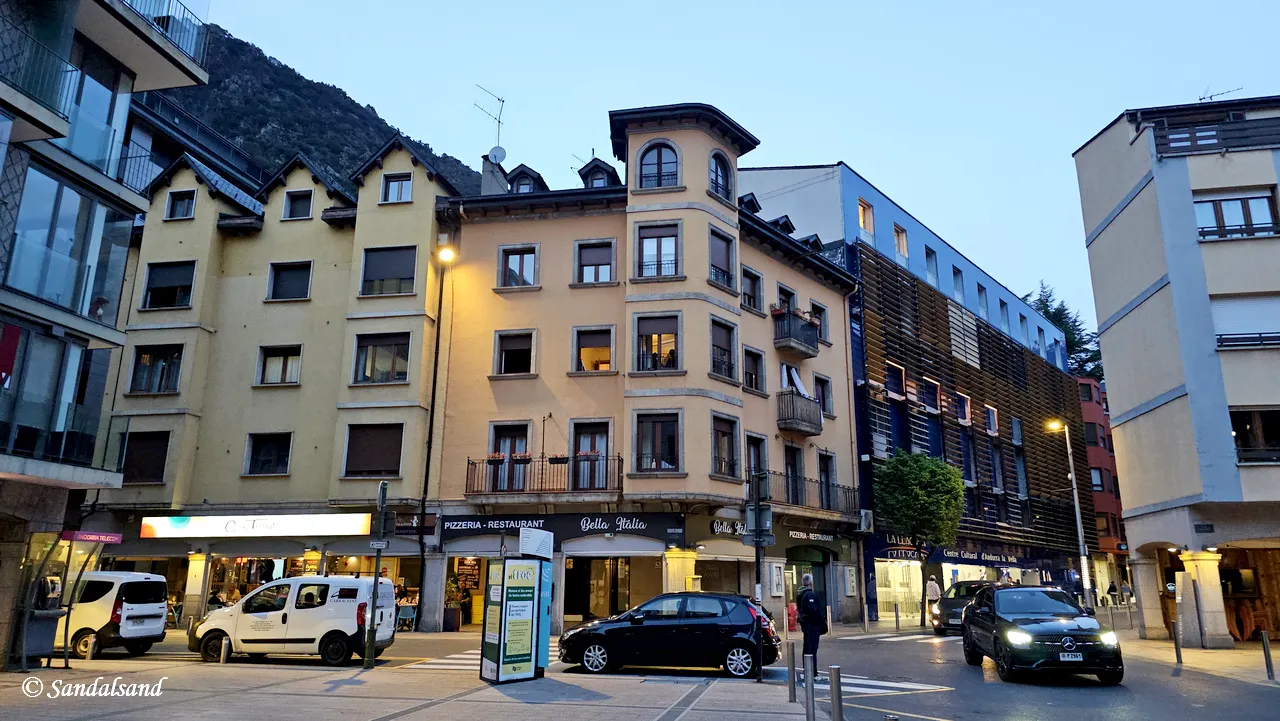
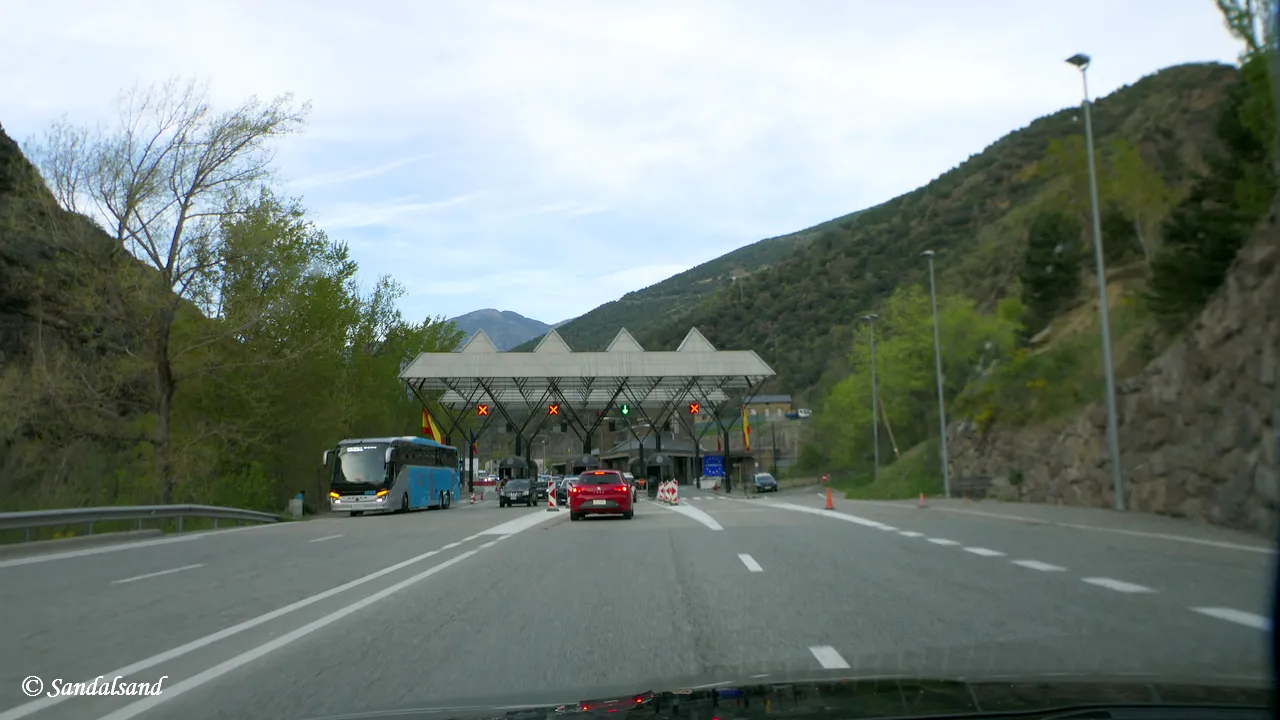
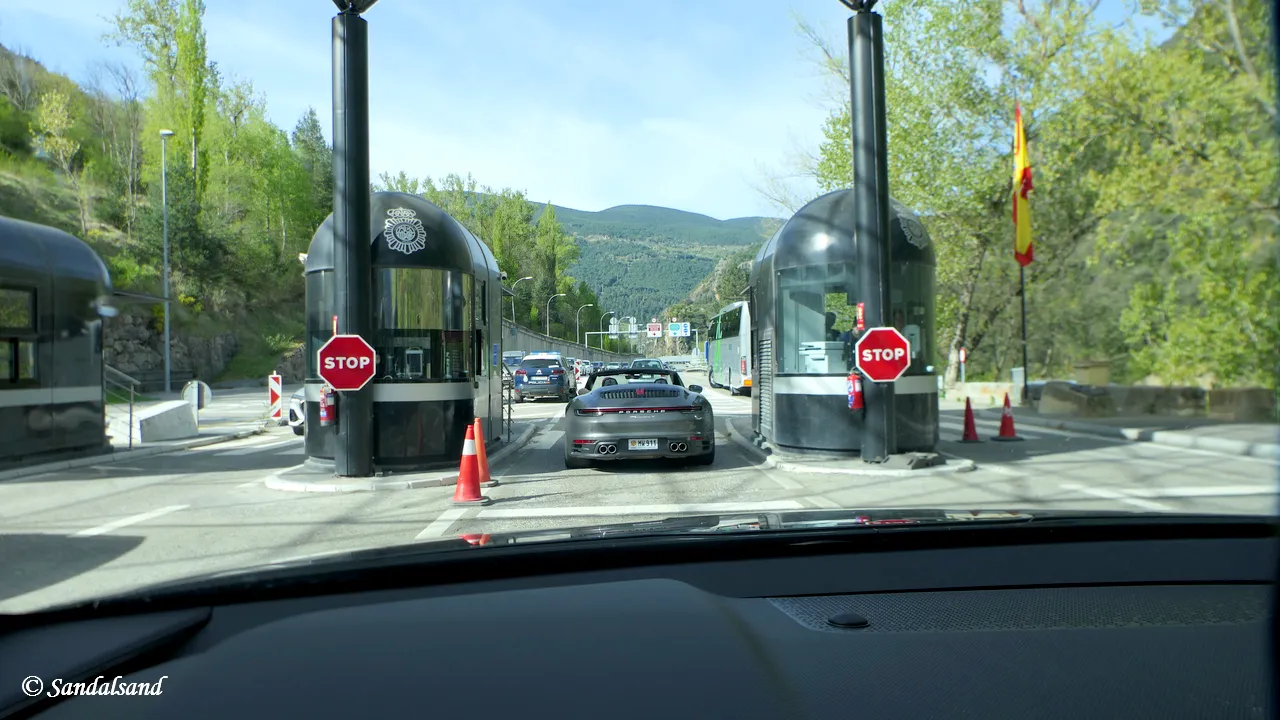
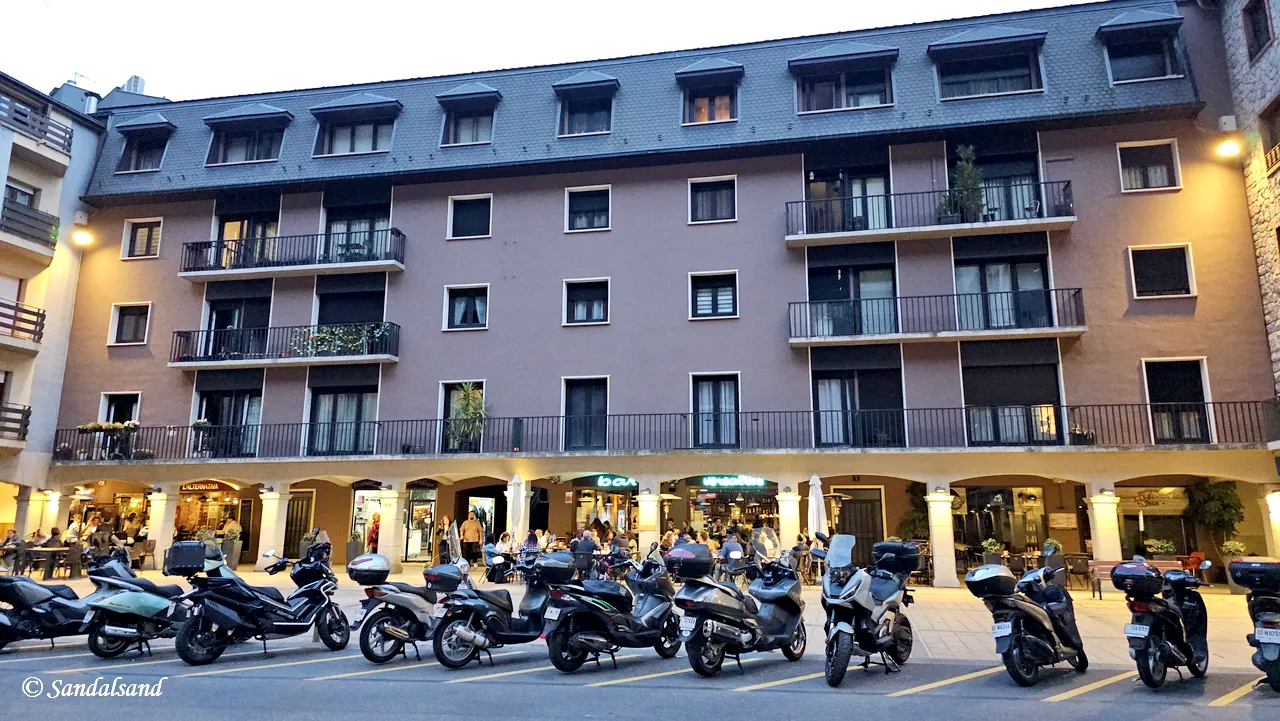
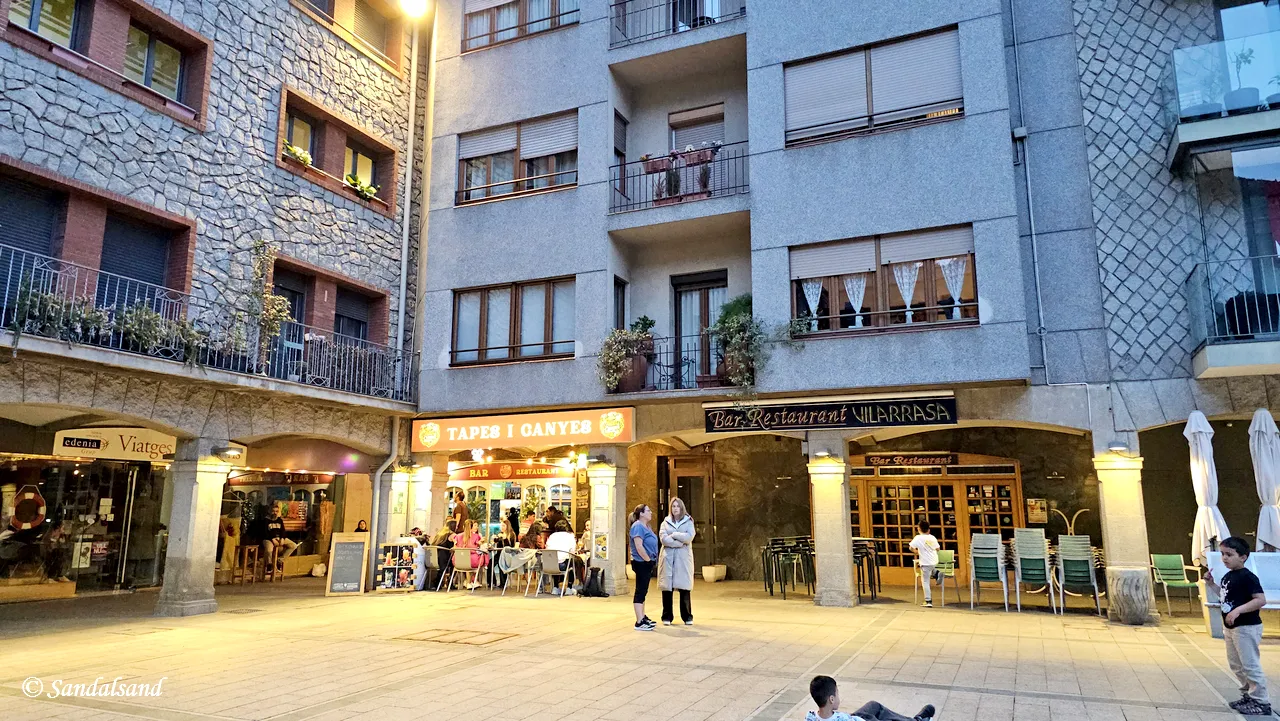
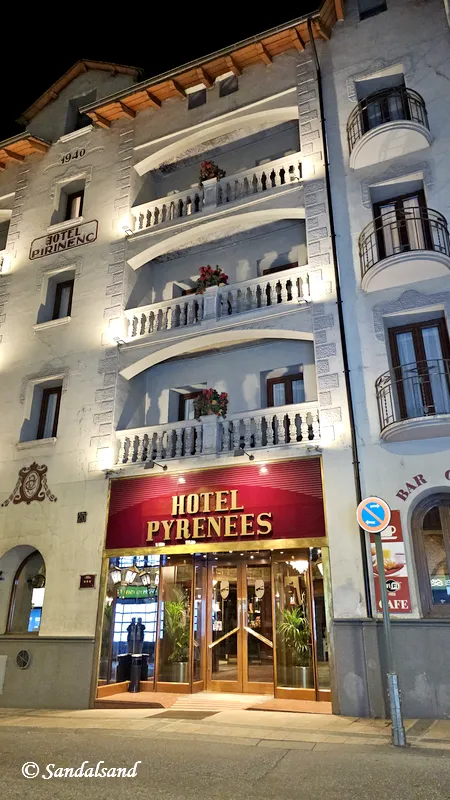
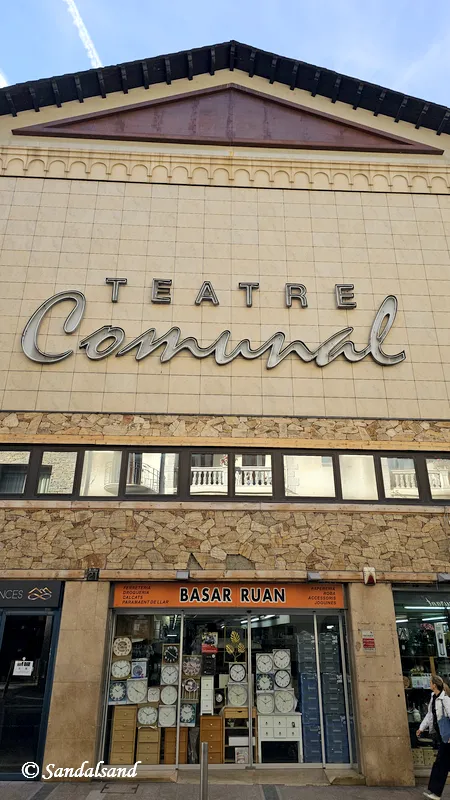
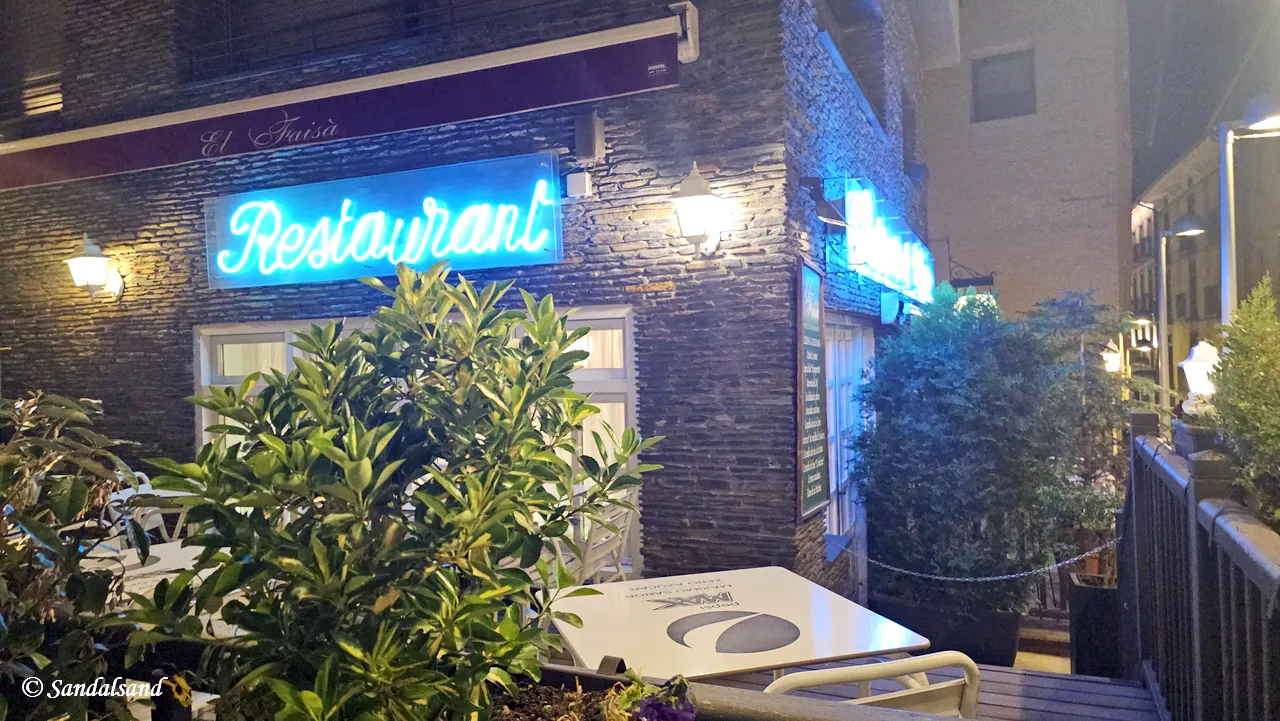
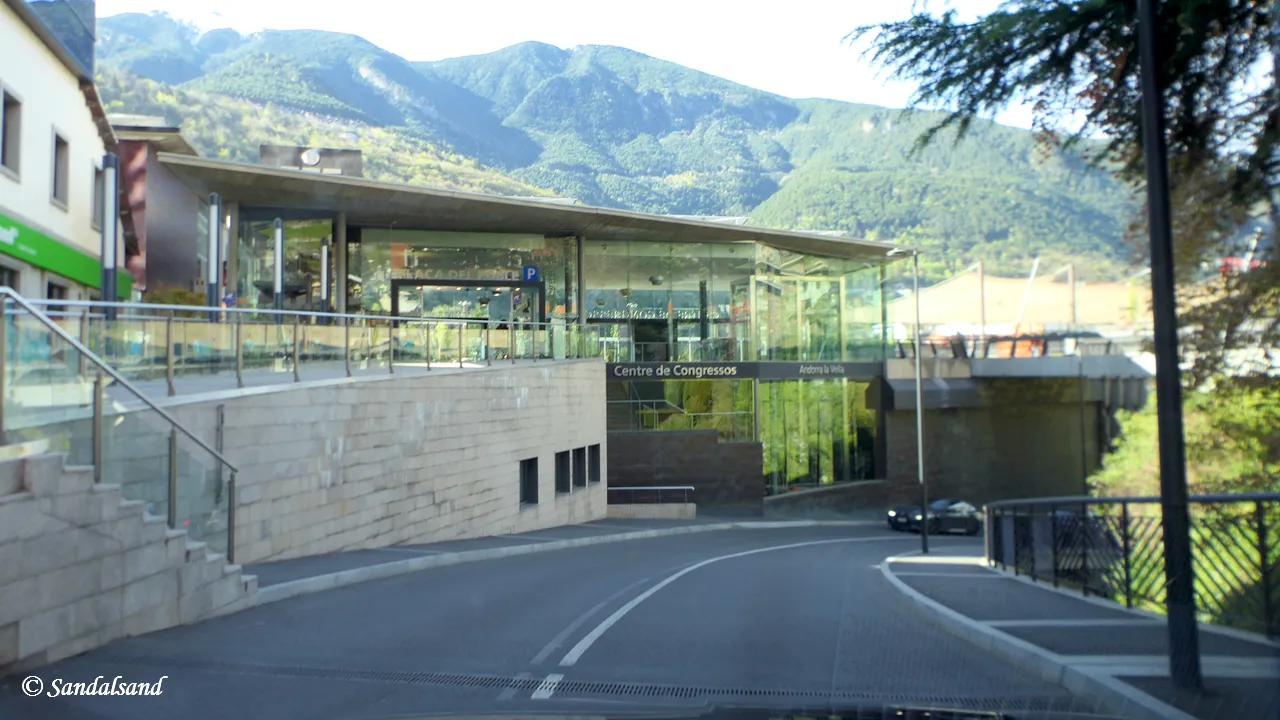
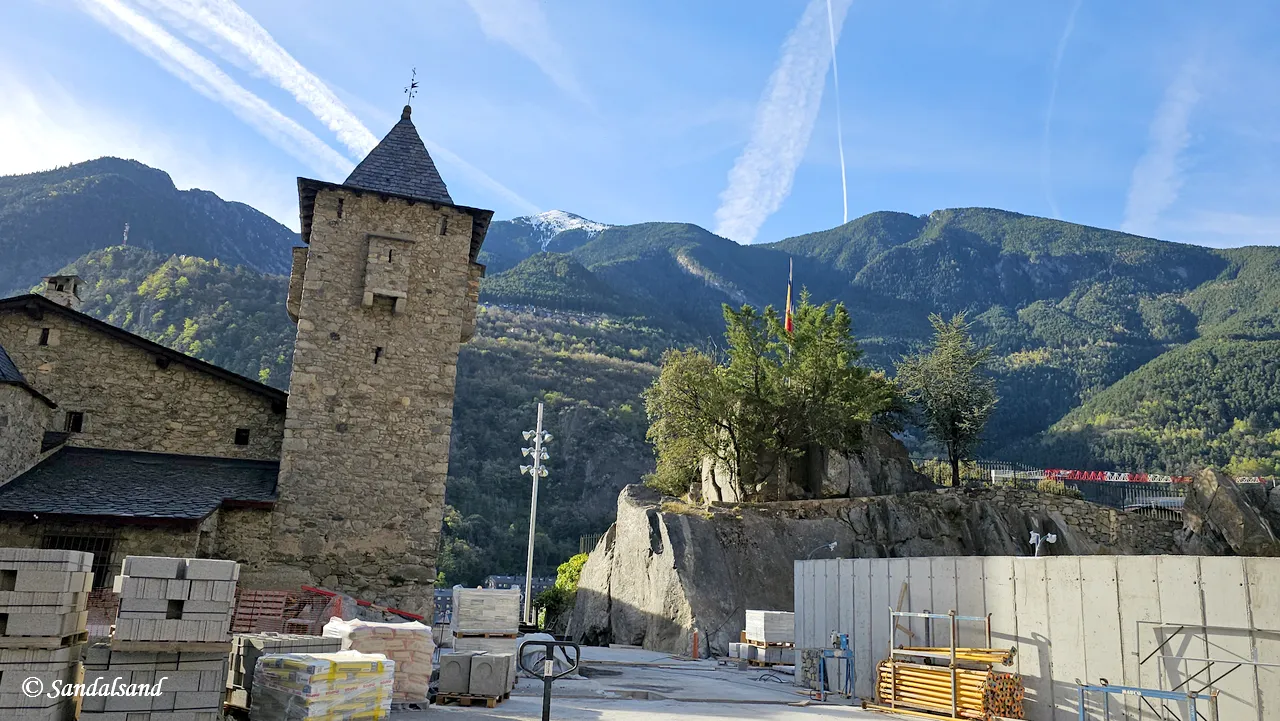
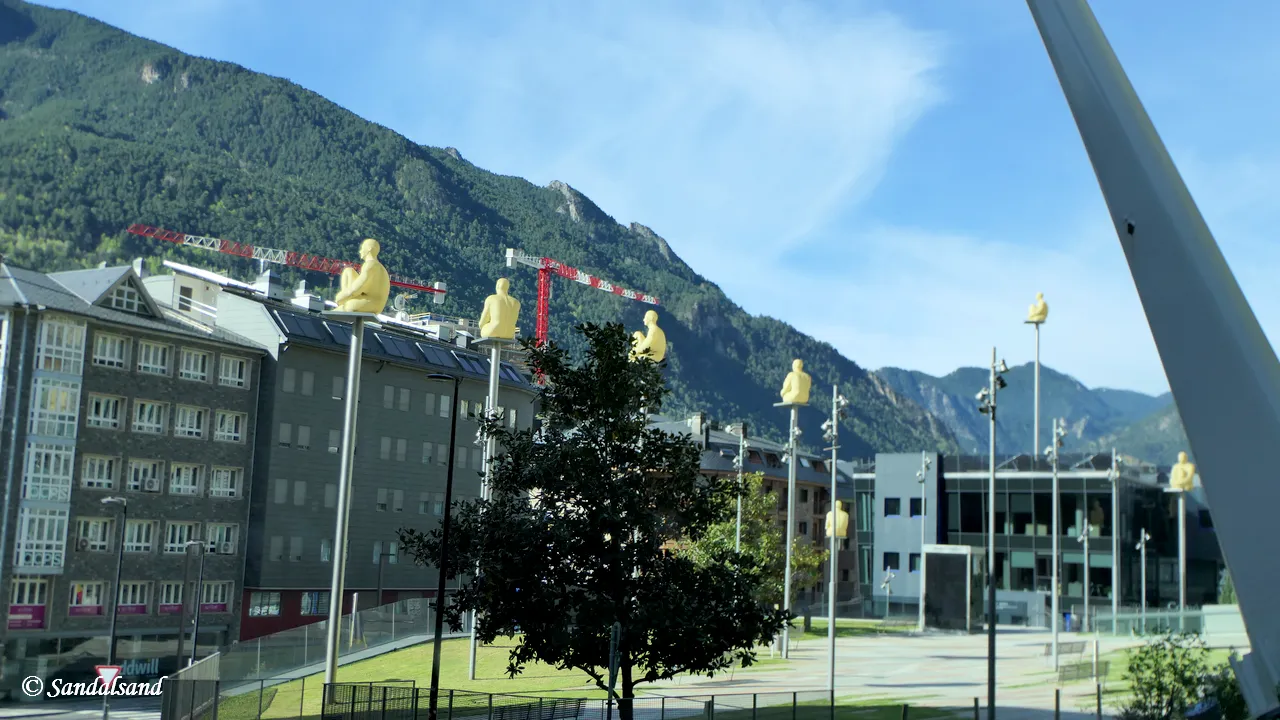
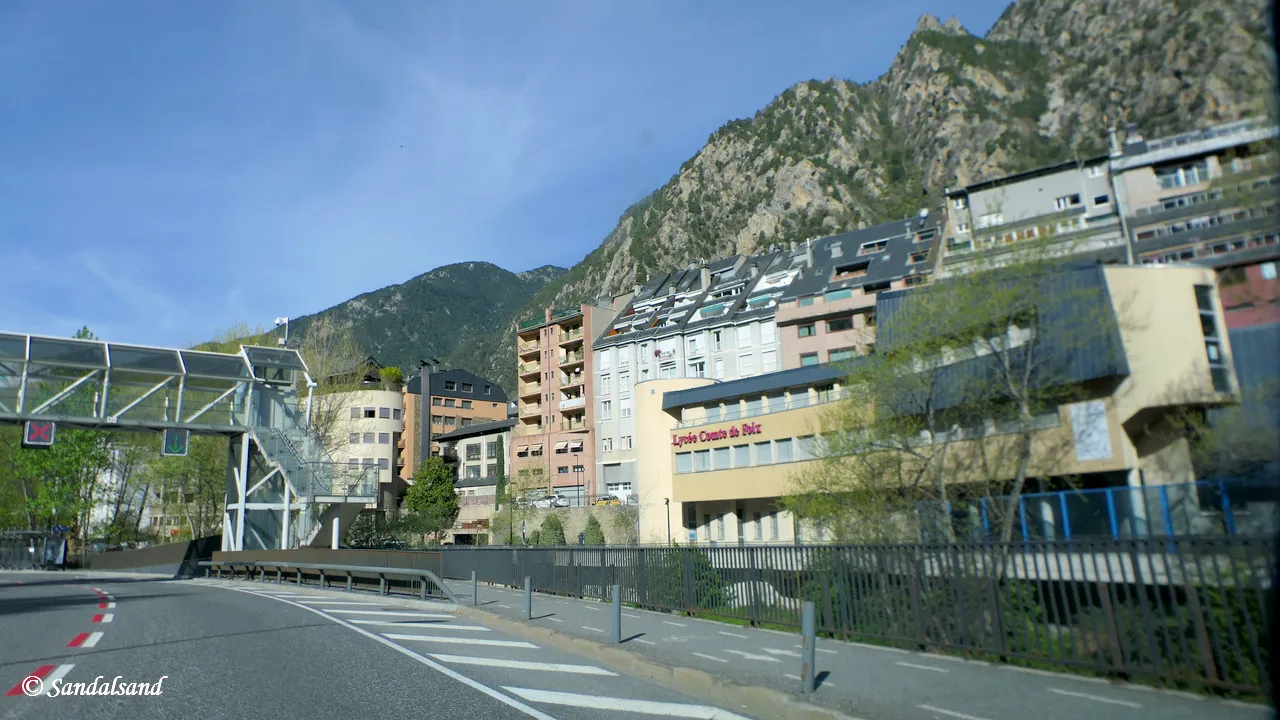
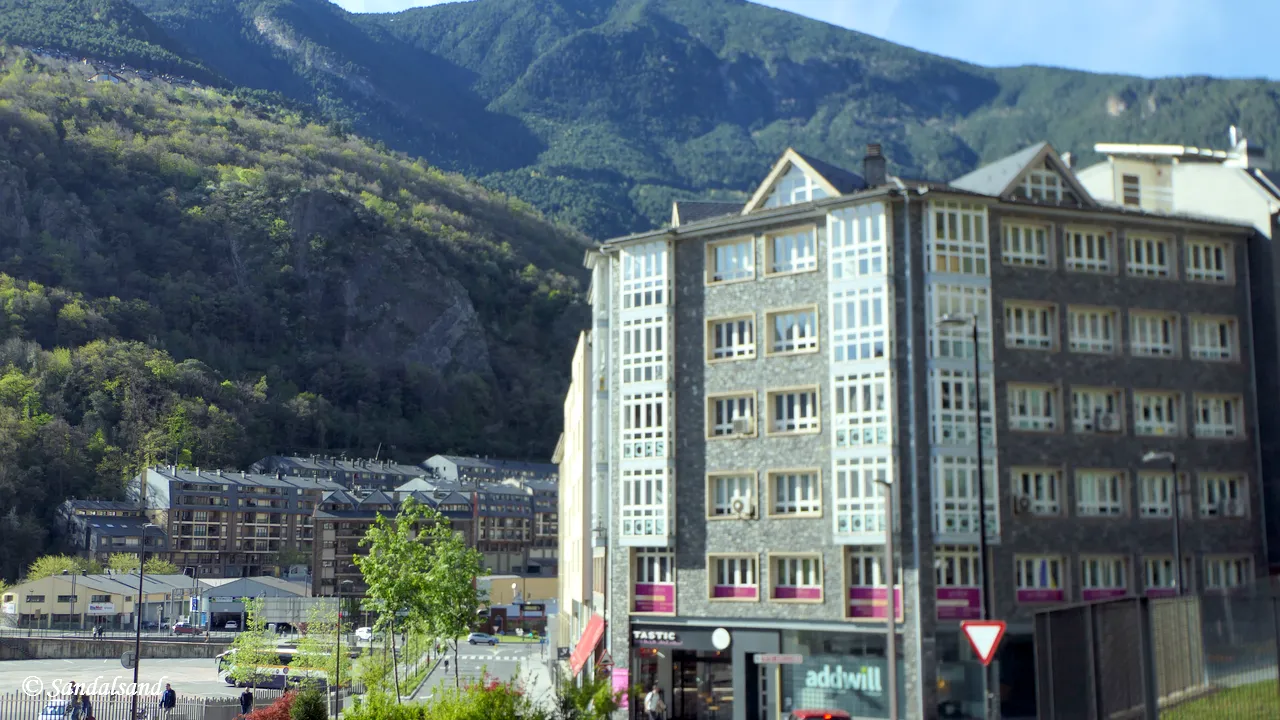
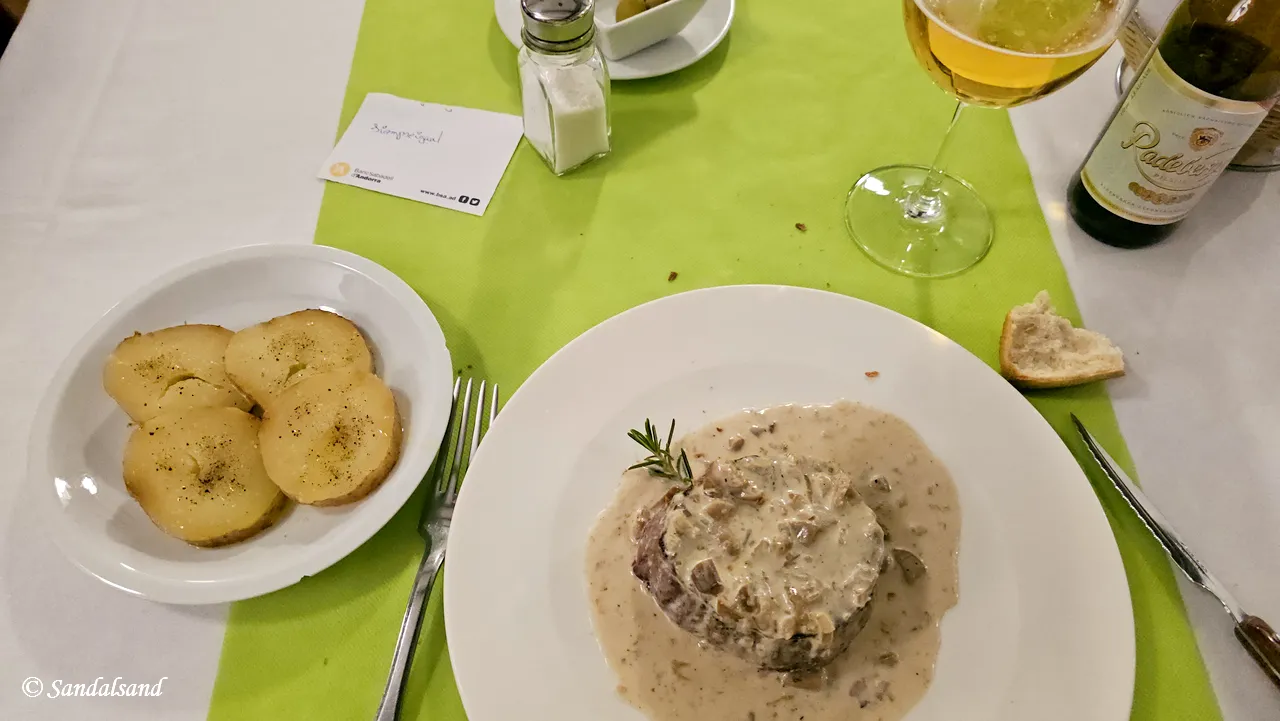
Sandalsand's pictures from Andorra are from a road trip on the Spanish side of the Pyrenees. I visited Andorra on a return trip from the south, up until the capital town of Andorra la Vella. I had an overnight stay before returning to Spain the very next day.
Afterwards, find more photo galleries on Sandalsand.
Fast facts – past
Andorra is a small, landlocked country in the eastern Pyrenees mountains between France and Spain. Covering just 468 square kilometres, it is one of Europe’s smallest states. Despite its size, Andorra has a distinct identity and a long history shaped by its isolated mountain setting.
The valleys of present-day Andorra were inhabited from prehistoric times, and traces of early settlements and Roman influence have been found throughout the country. During the Middle Ages, the region became strategically important as a buffer territory between larger powers on the Iberian Peninsula and in southern France.
According to tradition, Charlemagne granted privileges to the Andorran people in return for their support against the Moors in the 9th century. Over time, control of the territory became disputed between local bishops and French nobles. In 1278, a unique political arrangement known as the paréage established joint sovereignty between the Bishop of Urgell and the Count of Foix. This system laid the foundation for Andorra’s unusual co-principality, which still exists today.
For centuries, Andorra remained isolated and largely rural, with farming, livestock, and small-scale trade forming the backbone of the economy. Its remote location helped preserve local traditions and the Catalan language, which remains the official language today.
Although Andorra stayed neutral during major European conflicts, including both World Wars, it was influenced by events in neighbouring countries. During the Spanish Civil War, refugees crossed the mountains into Andorra, and smuggling became an important source of income during difficult periods.
Modern political reforms came relatively late. Until the late 20th century, Andorra retained many medieval institutions. In 1993, the country adopted its first written constitution, becoming a sovereign parliamentary democracy while preserving the co-princes — the Bishop of Urgell and the President of France — as ceremonial heads of state.
Today
Today, Andorra is a prosperous parliamentary co-principality known for tourism, winter sports, and duty-free shopping. Although not a member of the European Union, it maintains close economic ties with Europe and uses the euro as its currency.
Tourism is the country’s economic lifeline. Millions of visitors come each year to ski resorts such as Grandvalira and Vallnord, or to enjoy hiking, cycling, and mountain scenery during the summer months. The capital, Andorra la Vella, is known for shopping streets, modern spas, and its dramatic mountain surroundings.
Andorra has one of the highest life expectancies in the world and a high standard of living. The population is multilingual and internationally mixed, with many residents originally coming from Spain, Portugal, and France. Catalan culture remains central to national identity, reflected in local festivals, cuisine, and architecture.
Despite its small size, Andorra has developed a modern infrastructure and diversified economy. Banking, retail, and tourism dominate, while the country also promotes itself as a destination for outdoor sports and digital business. Its blend of mountain traditions, political uniqueness, and scenic landscapes gives Andorra a character unlike any other country in Europe.
Learn about the country on Wikipedia. The text above is from various sources.
