 Sandalsand Norge >>
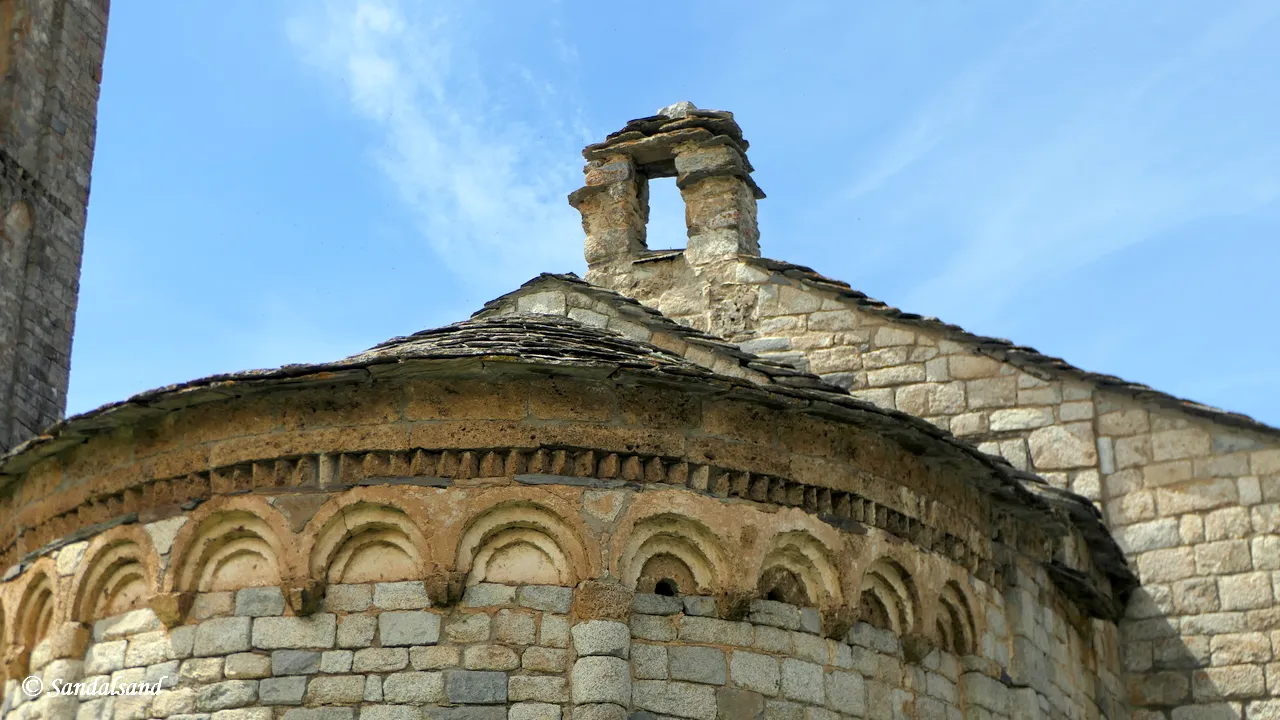
The Romanesque churches of the Vall de Boí preserve one of Europe's finest collections of medieval Catalan art and architecture.
The UNESCO World Heritage List includes over a thousand properties. They have outstanding universal value and are all part of the world’s cultural and natural heritage.
Official facts
- Official title: Catalan Romanesque Churches of the Vall de Boí
- Country: Spain
- Date of Inscription: 2000
- Category: Cultural
UNESCO’s World Heritage Centre’s short description of site no. 988:
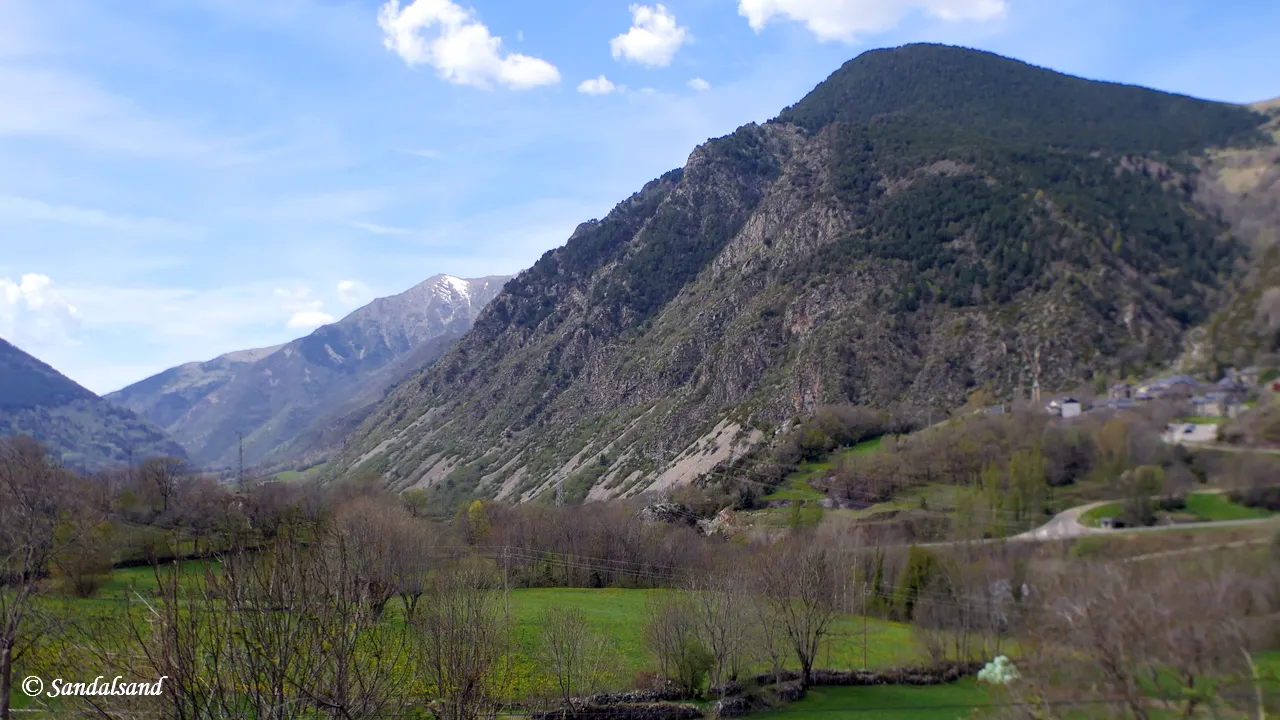
The narrow Vall de Boí is situated in the high Pyrénées, in the Alta Ribagorça region and is surrounded by steep mountains. Each village in the valley contains a Romanesque church, and is surrounded by a pattern of enclosed fields. There are extensive seasonally-used grazing lands on the higher slopes.
More about the churches
UNESCO's short description is a bit too short in my opinion, so here's my elaboration on the significance of this site. After this, you will find details from my visit and final impressions.
The churches of the Vall de Boí were built during the 11th and 12th centuries under the patronage of the Lords of Erill, one of the powerful noble families of medieval Catalonia. Together, they form an unusually pure and remarkably consistent example of Lombard Romanesque architecture and religious art in the Pyrenees.
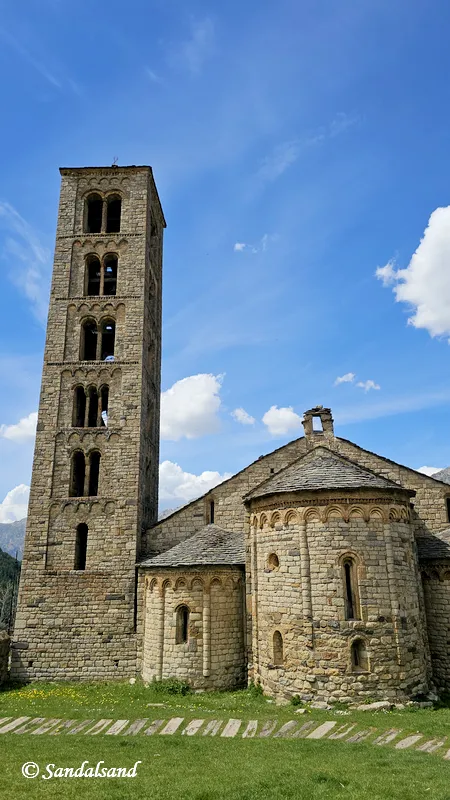
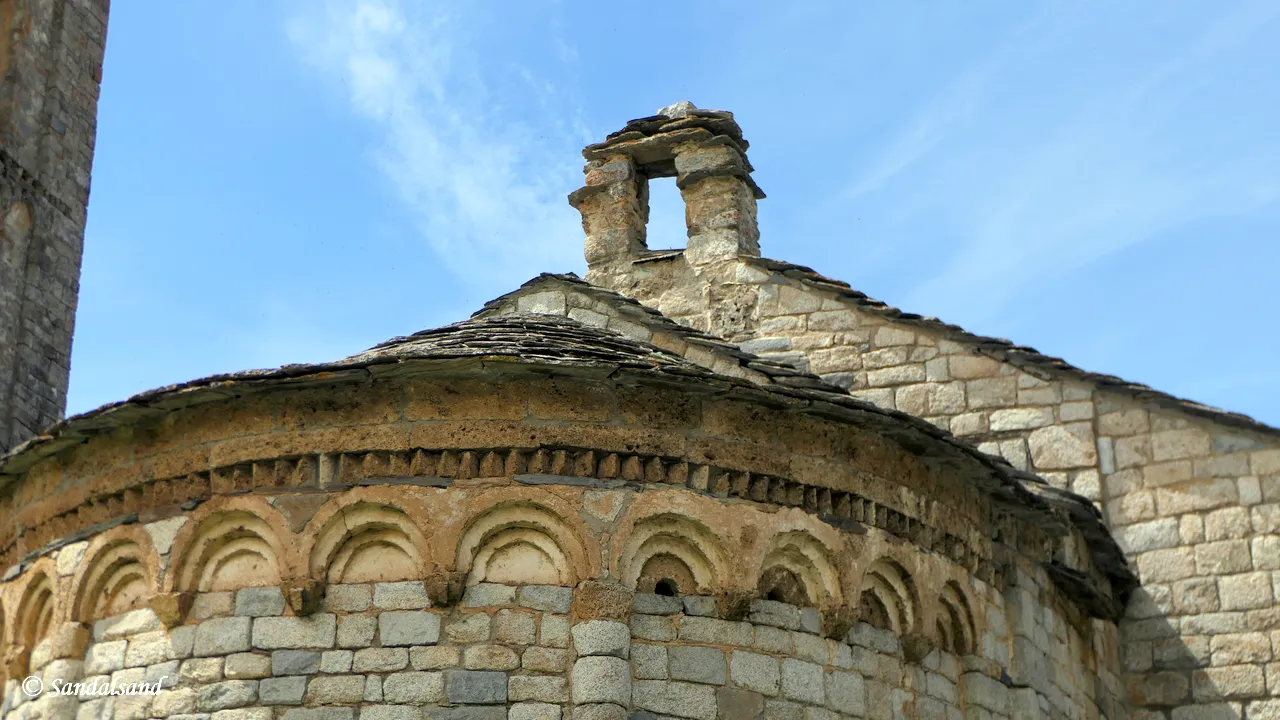
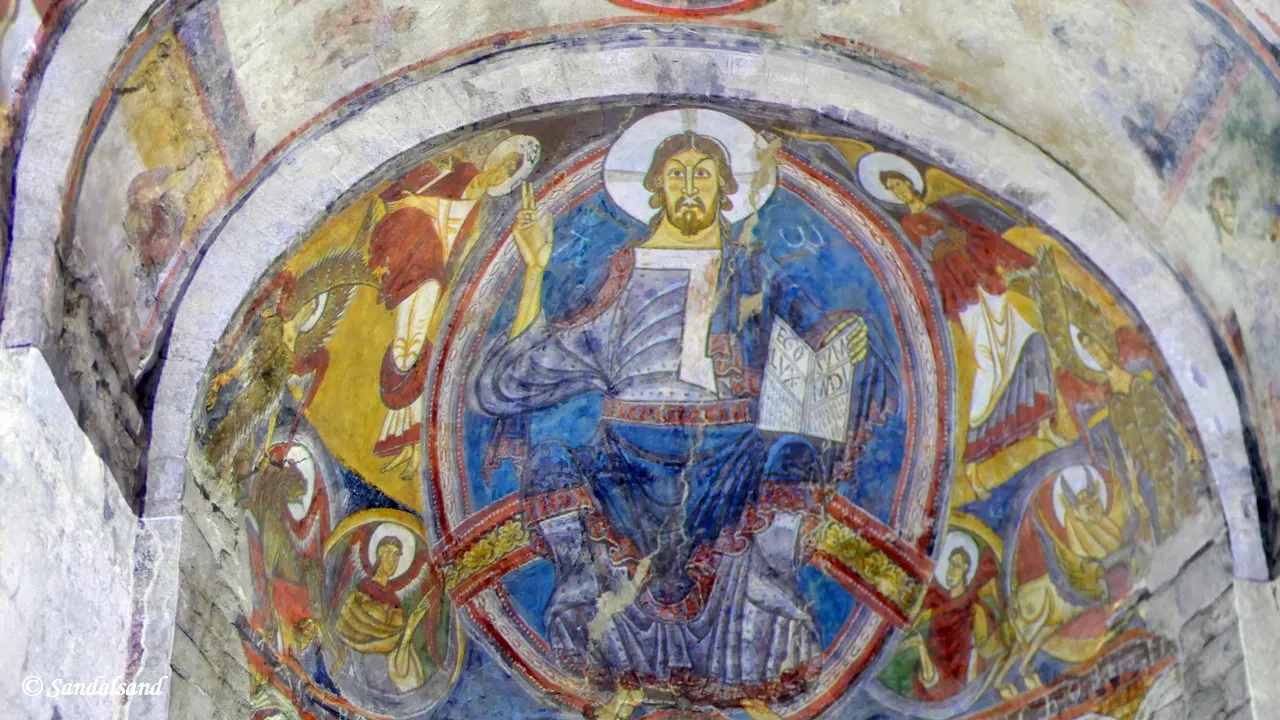
Although modest in size, the churches are notable for their elegant bell towers, harmonious proportions, and rich interior decoration. Originally, many of them were covered with colourful Romanesque wall paintings, fragments of which today rank among the finest examples of medieval art in Europe. Several of the most famous frescoes have been transferred to museums in Barcelona for protection and preservation.
What makes the Vall de Boí especially remarkable is the concentration and preservation of these rural churches within such a small mountain valley. The churches remain closely connected to the surrounding villages, fields, and mountain landscape, giving a rare impression of how medieval life in the Catalan Pyrenees once looked.
Beyond their architectural importance, the churches also became symbols of Catalan identity. In the late 19th and early 20th centuries, growing interest in the Romanesque heritage of the Pyrenees played an important role in the cultural revival that accompanied the restoration of Catalan national consciousness.

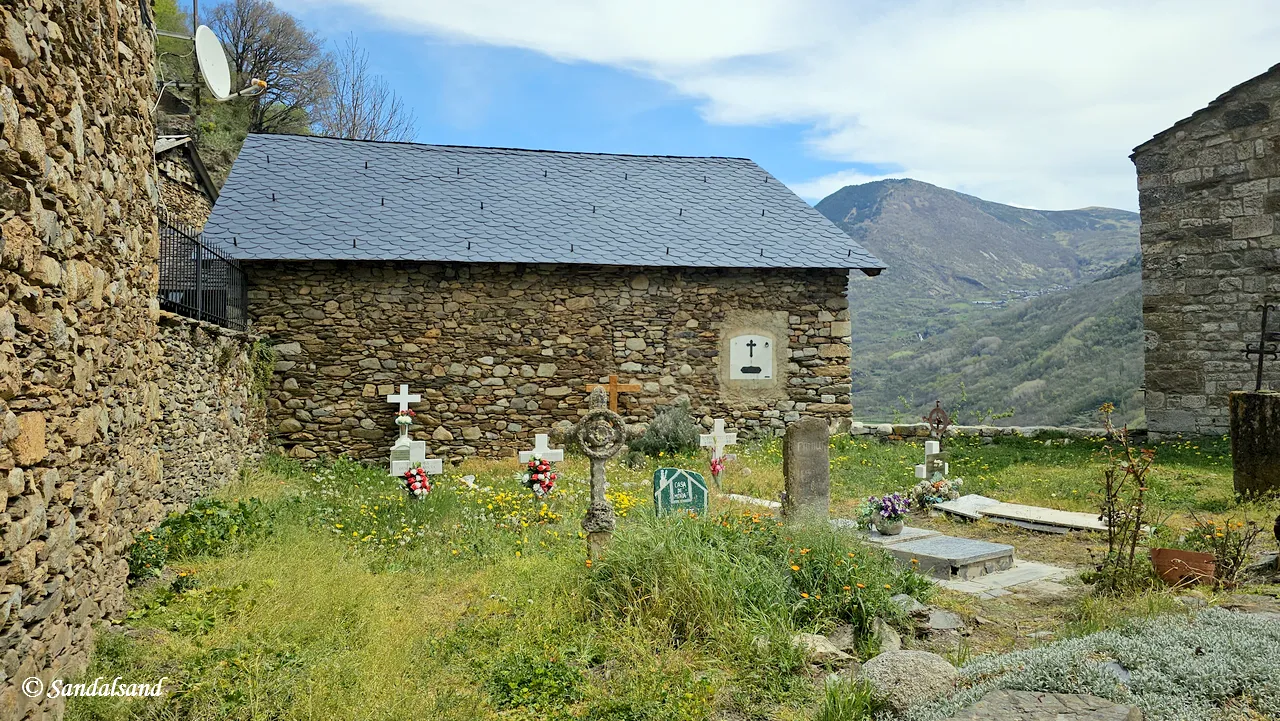
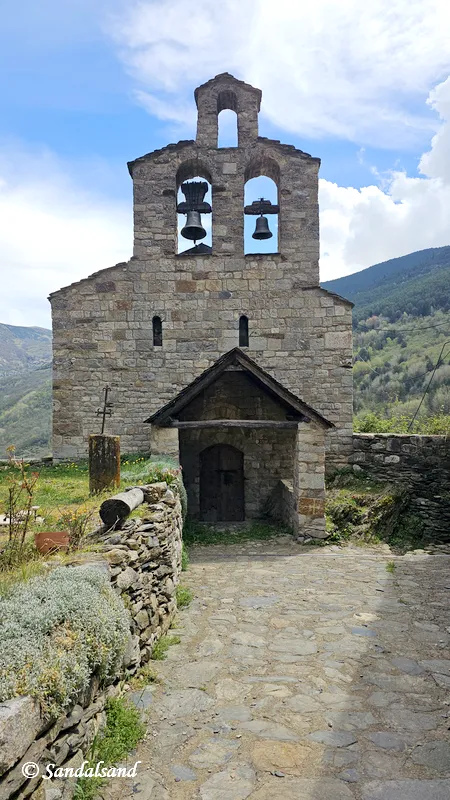

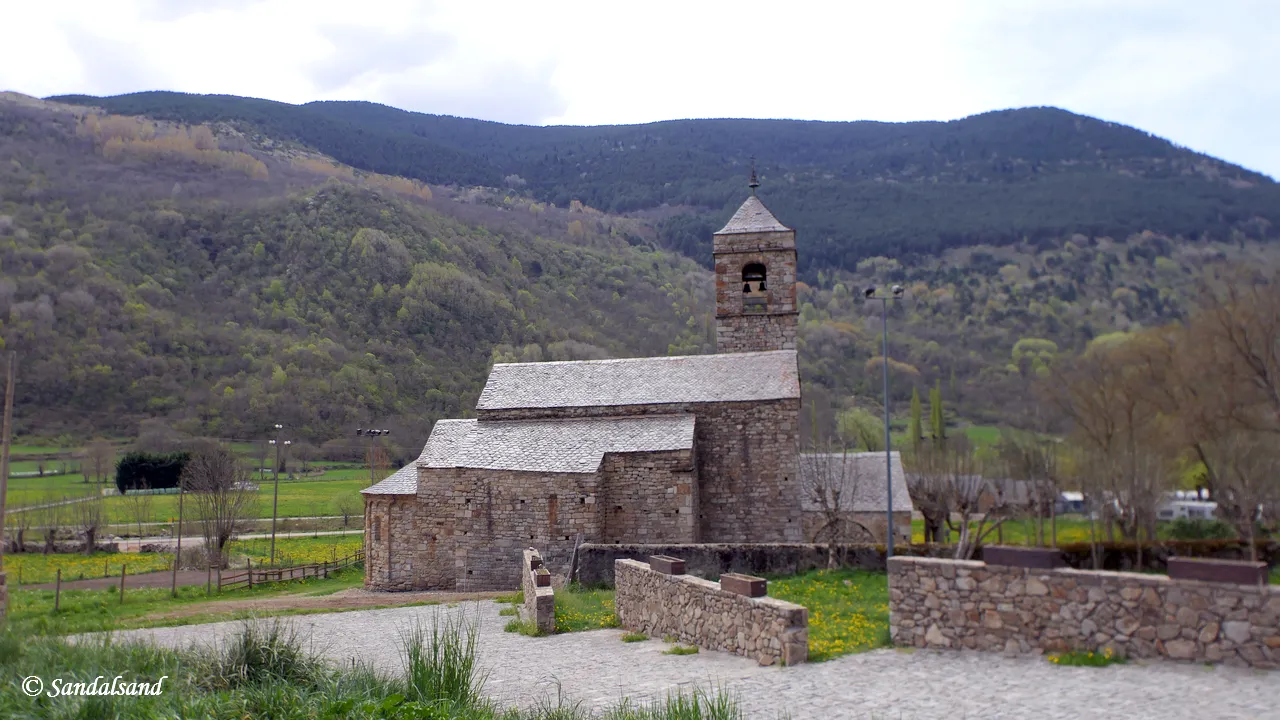

My visit to the Vall de Boí
Background
I was on a road trip in the north of Spain. I started out from Barcelona on the Mediterranean Sea via Andorra to the Bay of Biscay. The first part followed the southern slopes of the Pyrenees. The return to Barcelona was on a more southern route.
It was on the schedule for the second day that I had marked out the Vall de Boí. To me it was a dead end although it is possible to drive a few minutes more into the mountains before returning the same way. Of the nine churches grouped into this serial property on UNESCO's list I had decided to pay visits to at least some of the churches.
The churches
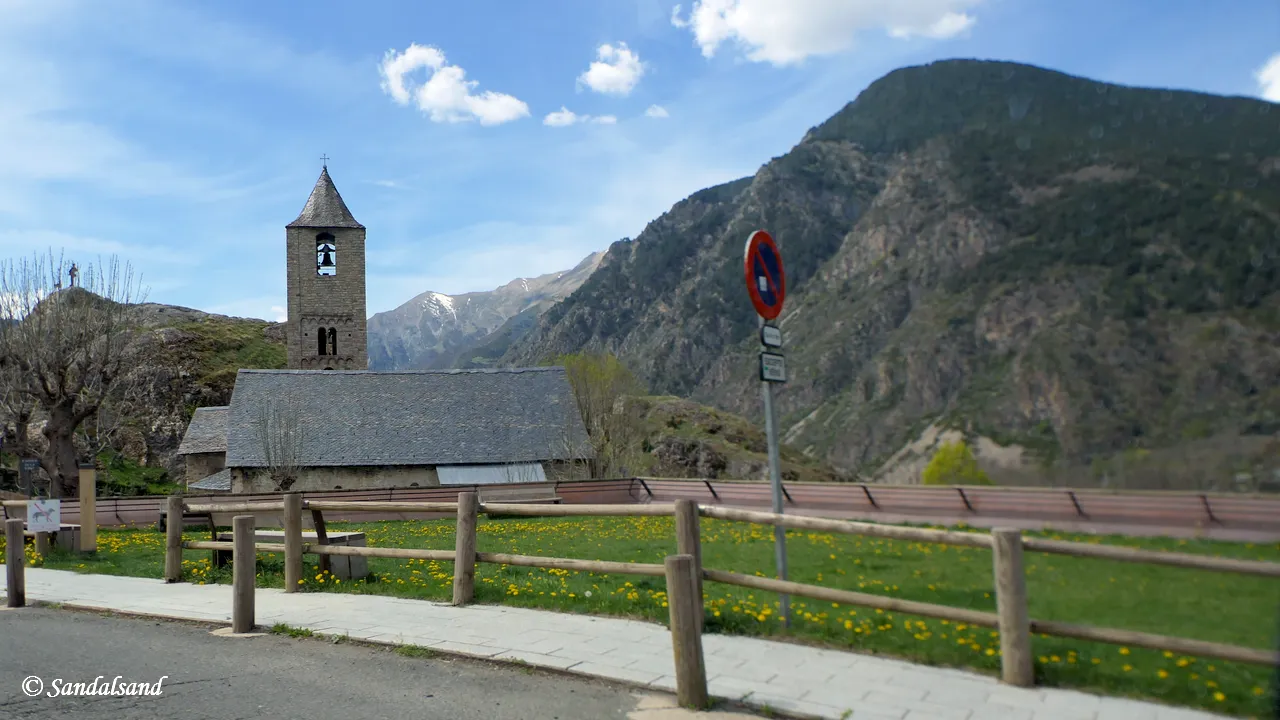
I dropped the first and went straight to the second, the Santa Maria in the very small hamlet of Cardet. It enjoyed a superb setting on the hillside. Next in the village of Barruera, the Iglesia Sant Feliu was easily viewed from the road, but I didn't stop to make more of it. The same with the third pictured church, the Iglesia Sant Joan in the village of Boí.
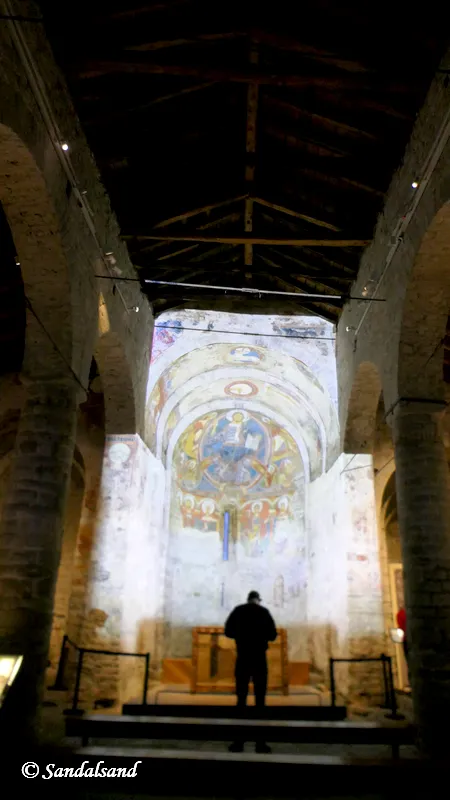
Coming up next were the two churches in the village of de Taüll. The Iglesia Sant Climent is generally regarded as the most important of all nine churches and is also the church where visitors are most likely to get inside. I was lucky. The reward was a view of both original and restored works of art, and information screens showing how restorations had been carried out.
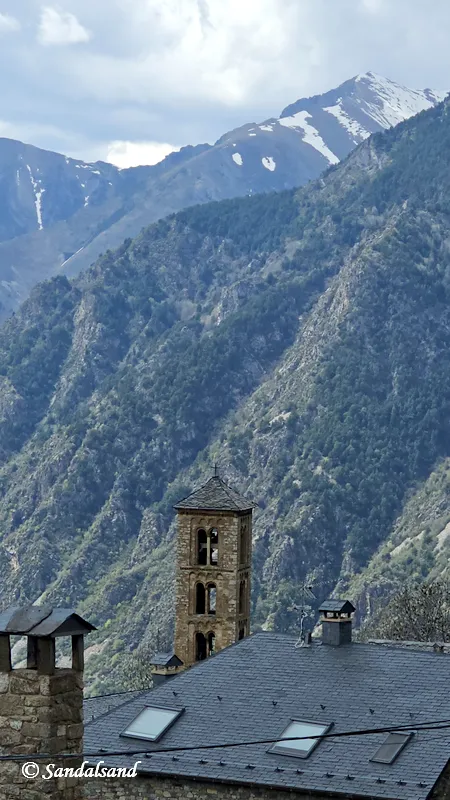
The other church in Taüll is the Iglesia Santa Maria. I made a compromise - had lunch at a place with a view of the church tower and the snow-capped mountains beyond.
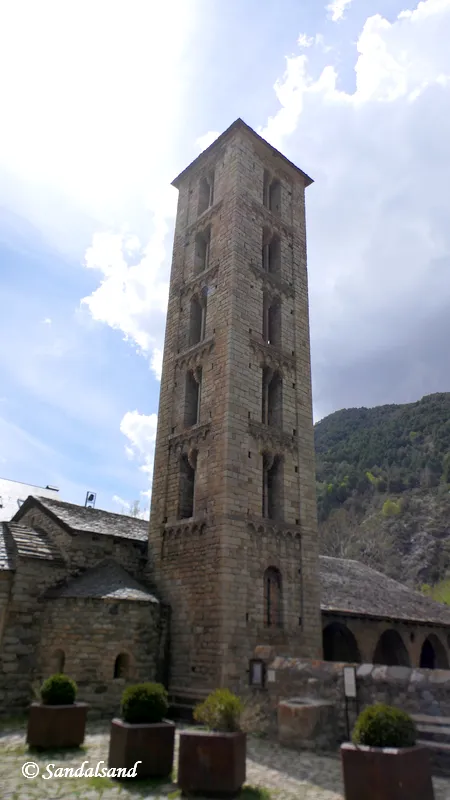
On my return I chose to add the Iglesia de Santa Eulàlia in the hamlet of the same name to my list. So, all in all, five out of nine locations satisfied me. Sure, I would have liked to add more interiors to my impressions - but that will have to wait till next time. Or not.
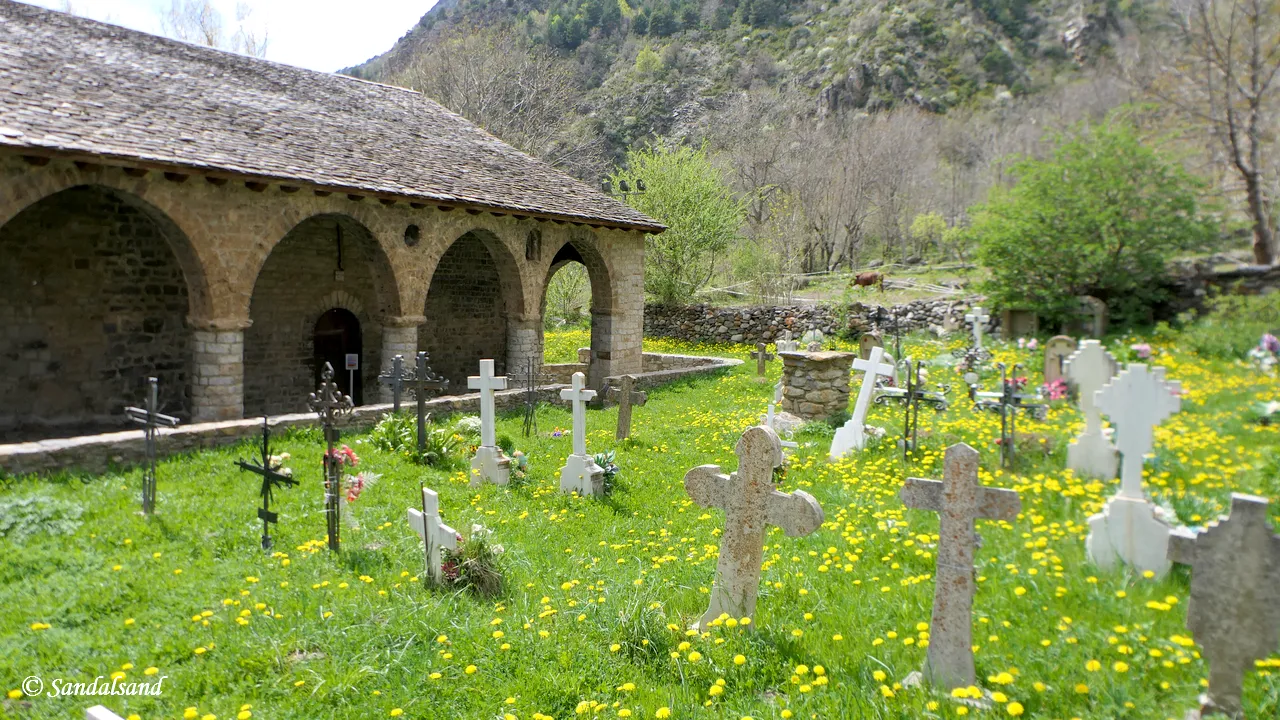
Impressions
My impressions? Well, the valley is a quiet, easy and scenic drive into the Pyrenees. When I visited in April 2026, the spring had already arrived and the surroundings were turning green. There were few tourists around, although I wonder if there ever are any later in the year. The churches are easy to reach as they are all centred in the villages.
For an amateur, the churches did not seem very impressive. Quite simple rural village churches with no distinct appearance, in my opinion. To me, it was the valley(s), and the setting under tall mountains which was the predominant experience. Not the architecture.
However, getting into them may prove a problem. They are open to visitors in the season, but not every day, and not for free except the one I found to be open. I'm glad I did.
Read more
Find more articles from Spain on Sandalsand. Finally, where are these churches? Zoom in on Sandalsand's map from this road trip.
