 Sandalsand Norge >>
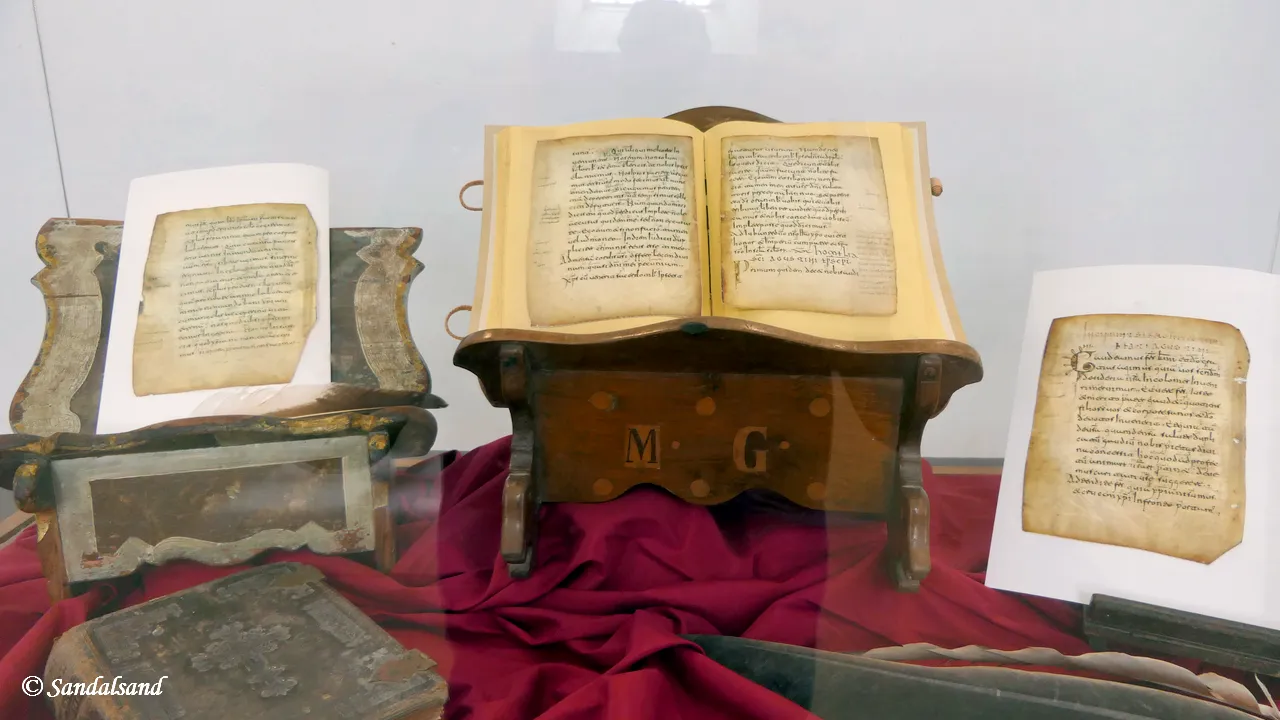
Explore San Millán de Yuso, the grand monastery in La Rioja that forms part of the birthplace of written Spanish.
The UNESCO World Heritage List includes over a thousand properties. They have outstanding universal value and are all part of the world’s cultural and natural heritage.
Official facts
- Official title: San Millán Yuso and Suso Monasteries
- Country: Spain
- Date of inscription: 1997
- Category: Cultural
UNESCO’s World Heritage Centre’s short description of site no. 805:
The monastic community founded by St Millán in the mid-6th century became a place of pilgrimage. A fine Romanesque church built in honour of the holy man still stands at the site of Suso. It was here that the first literature was produced in Castilian, from which one of the most widely spoken languages in the world today is derived. In the early 16th century the community was housed in the fine new monastery of Yuso, below the older complex; it is still a thriving community today.
More about it
The WHC description is a bit short, so I asked an IA to find out more. Here is my edited summary.
Nestled in the foothills of the Sierra de la Demanda in La Rioja, the Monasteries of San Millán de Yuso and Suso occupy a unique place in Spanish history. For centuries they served as centres of religious life, learning and manuscript production. Today they are best known for their association with the origins of the Spanish language and for preserving some of the earliest surviving written examples of an Iberian Romance vernacular, together with some of the oldest known written words in Basque.
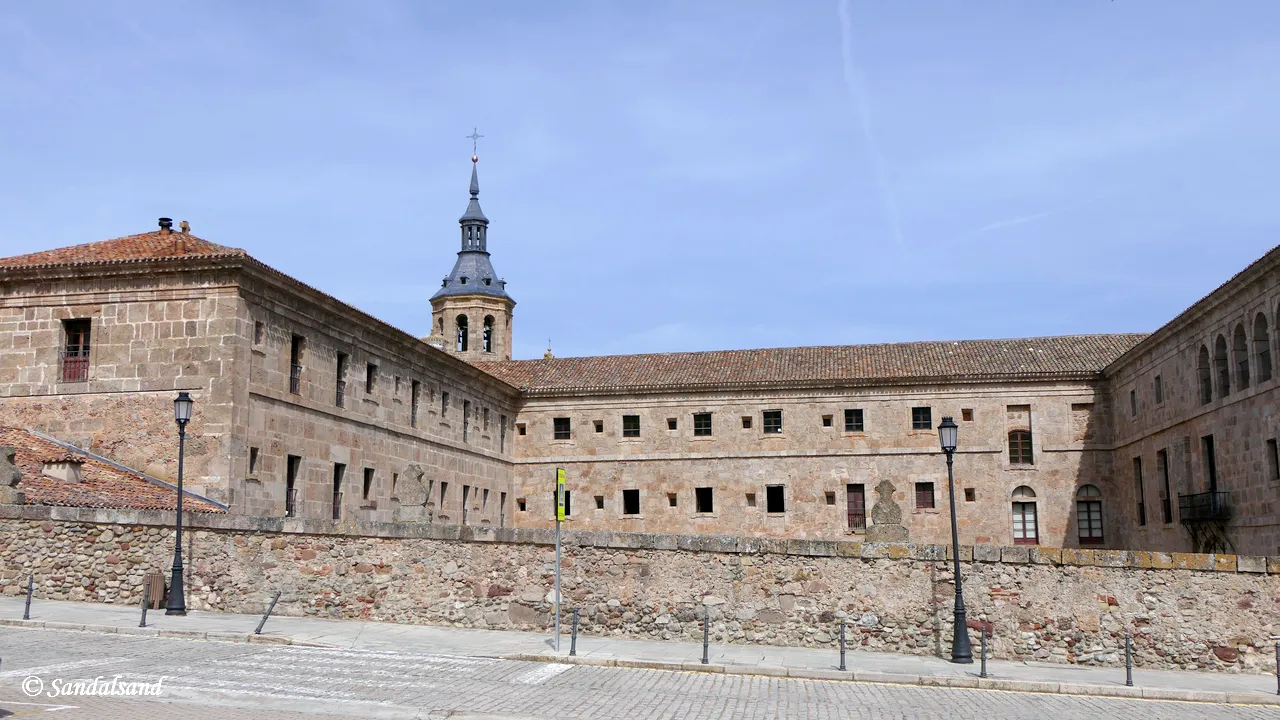
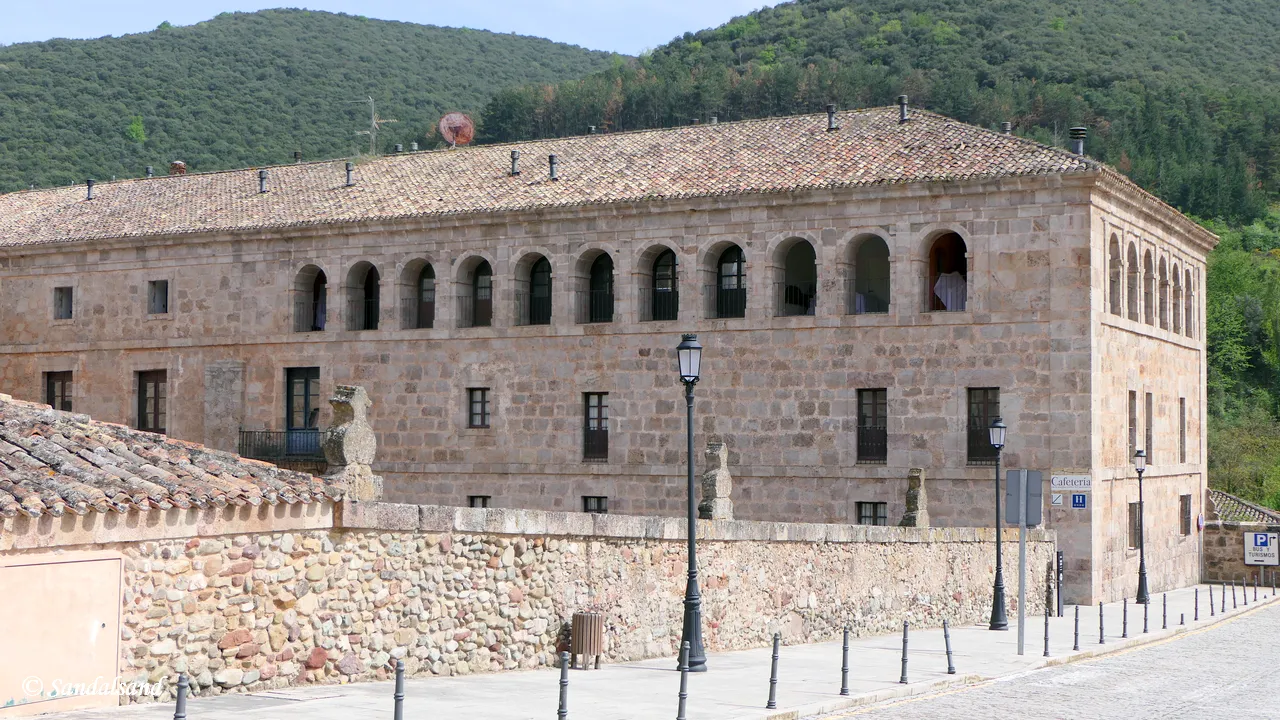
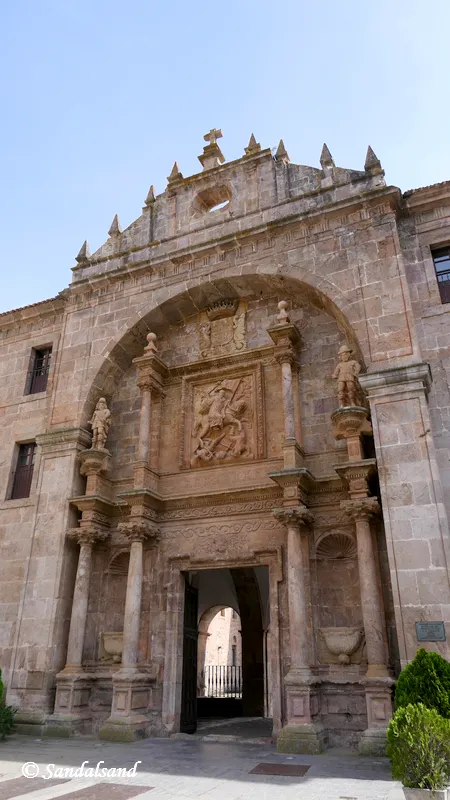
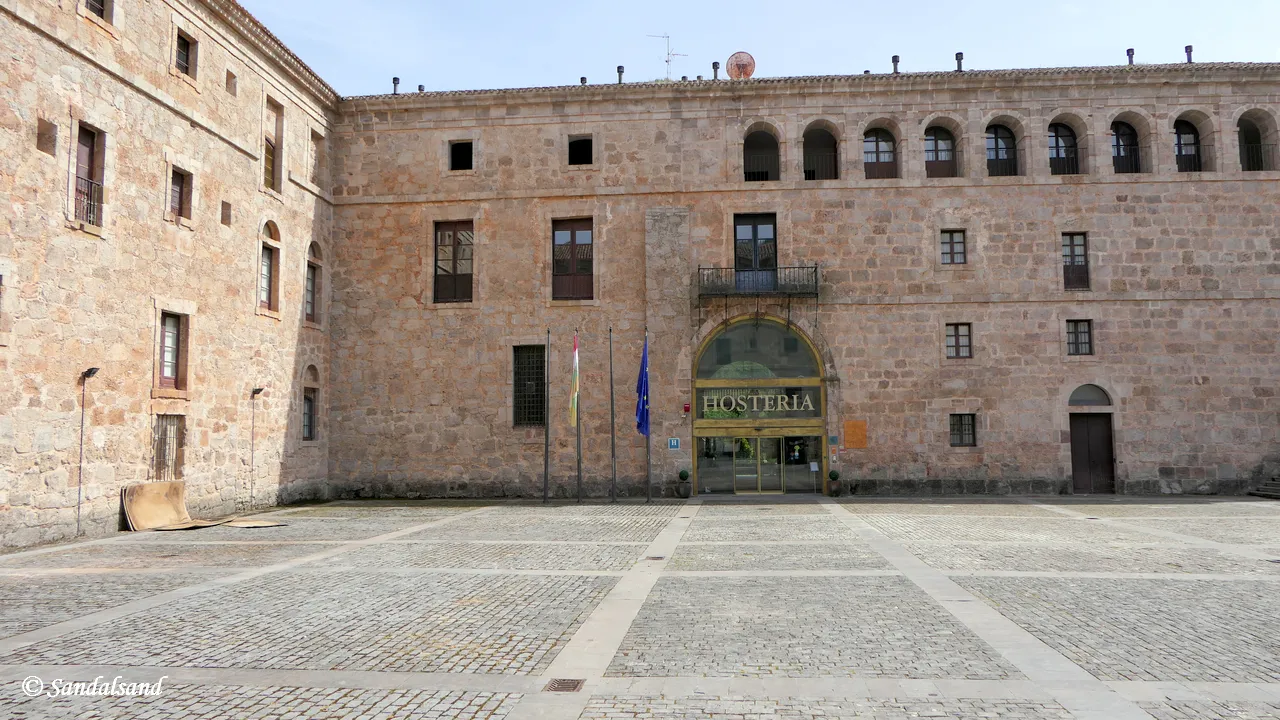
The two monasteries stand side by side yet belong to different periods. Suso, the older of the pair, grew from the hermitage associated with Saint Millán, a Christian holy man who lived during the sixth century. Over time the site evolved into a monastery where Visigothic, Mozarabic and Romanesque influences can still be seen. Yuso, located lower on the hillside, was constructed centuries later and reflects the wealth and prestige accumulated by the monastic community.
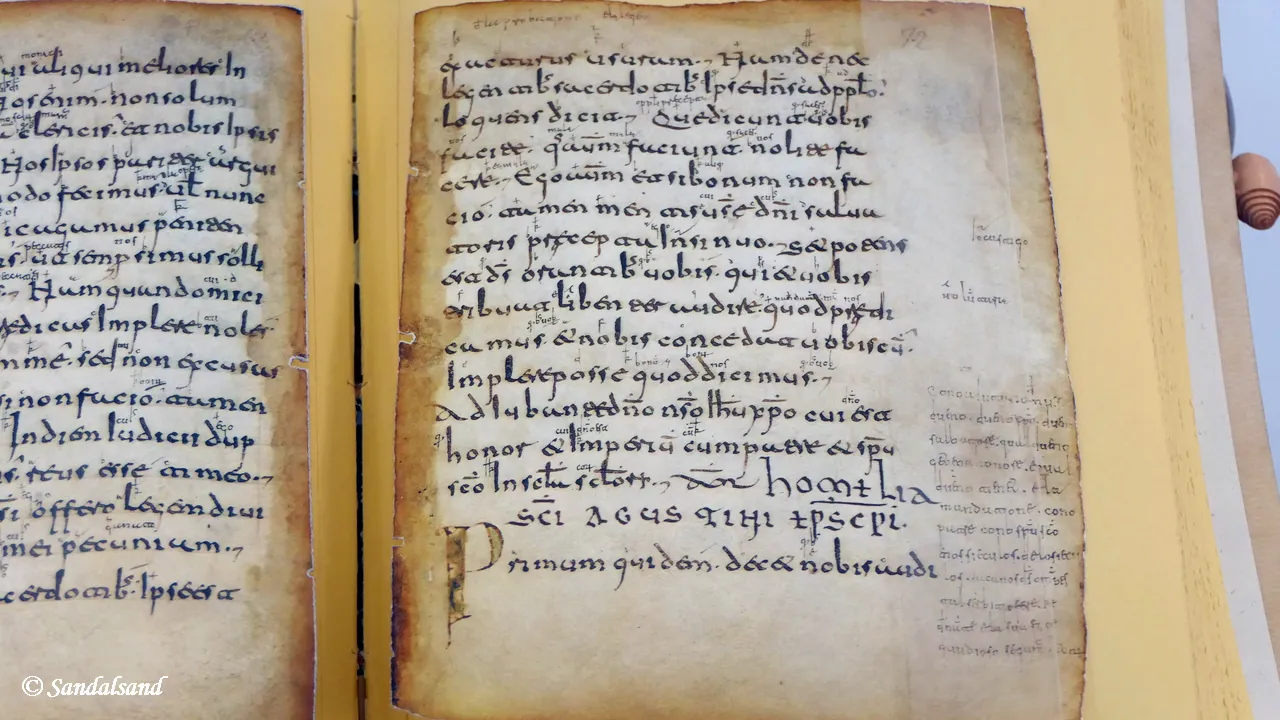
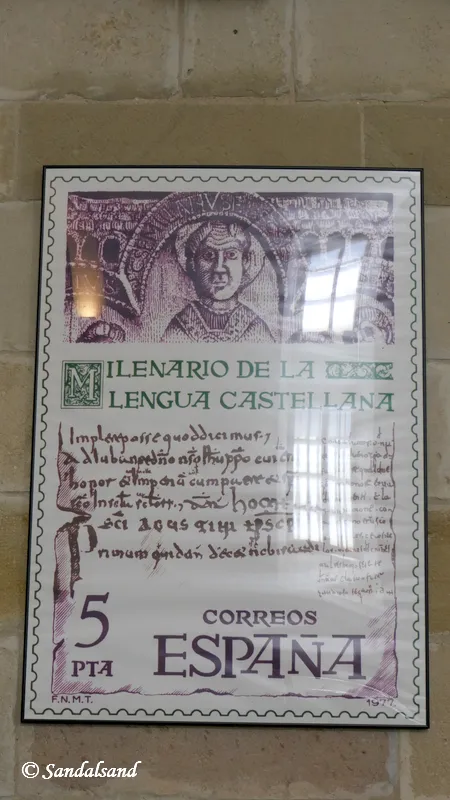
Together the monasteries illustrate more than a thousand years of religious, cultural and linguistic history. Their libraries and scriptoria played an important role in preserving knowledge during the Middle Ages, while the famous Glosas Emilianenses – annotations written in the margins of medieval manuscripts – provide valuable evidence of the evolution of both Romance and Basque languages in northern Iberia.




My visit
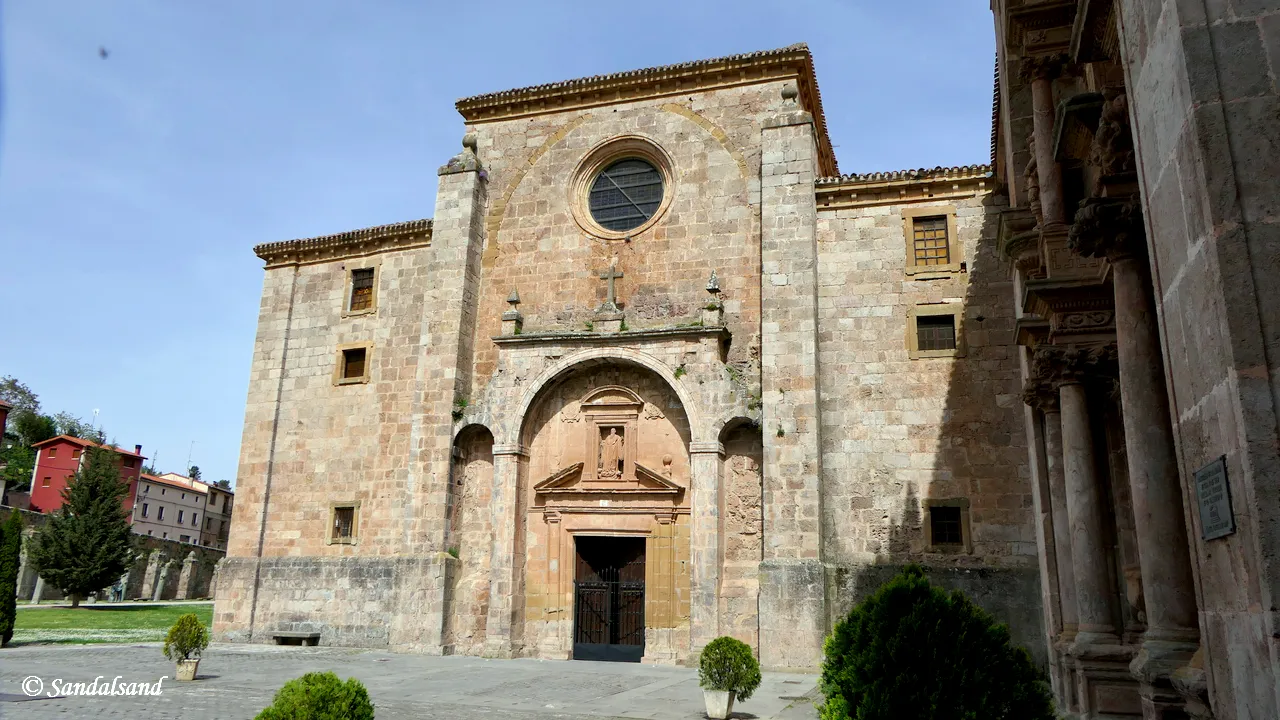
I was in 2026 on a road trip in the north of Spain with an aim to connect important towns with World Heritage sites. The two monasteries included in this particular site are situated quite close to one another. Most visitors, including Sandalsand, are satisfied with the compulsory guided tour in the Yuso monastery. Reports show that Suso might be a better choice. It is the oldest and smallest monastery, but is basically a small, one room church.
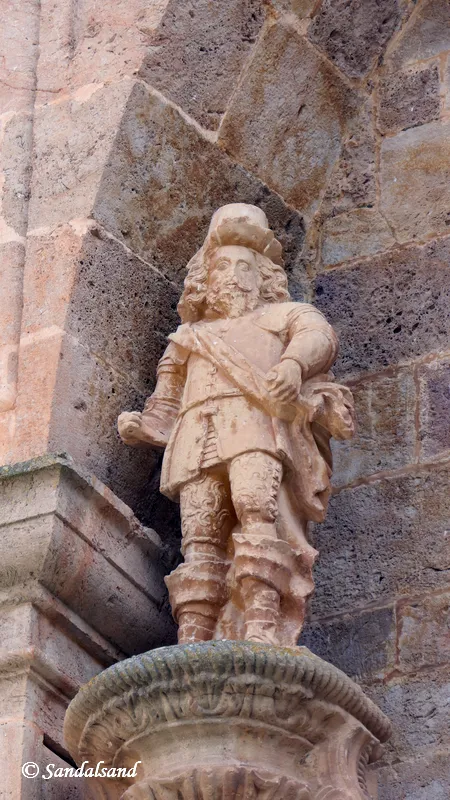
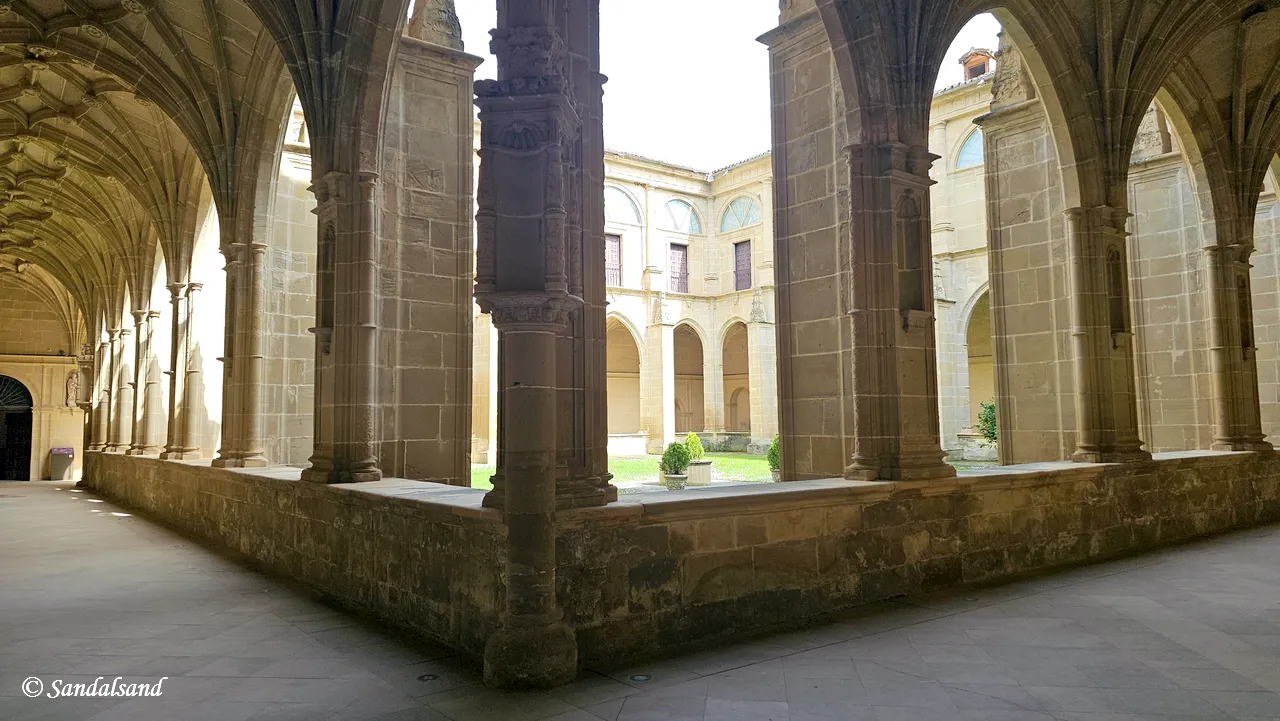
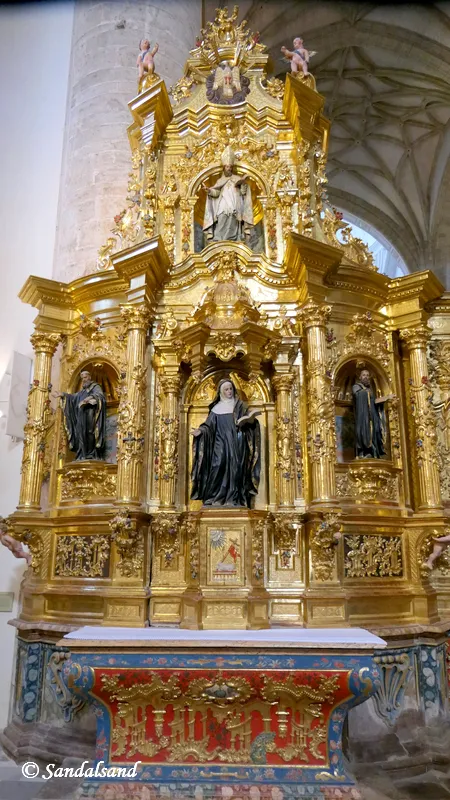
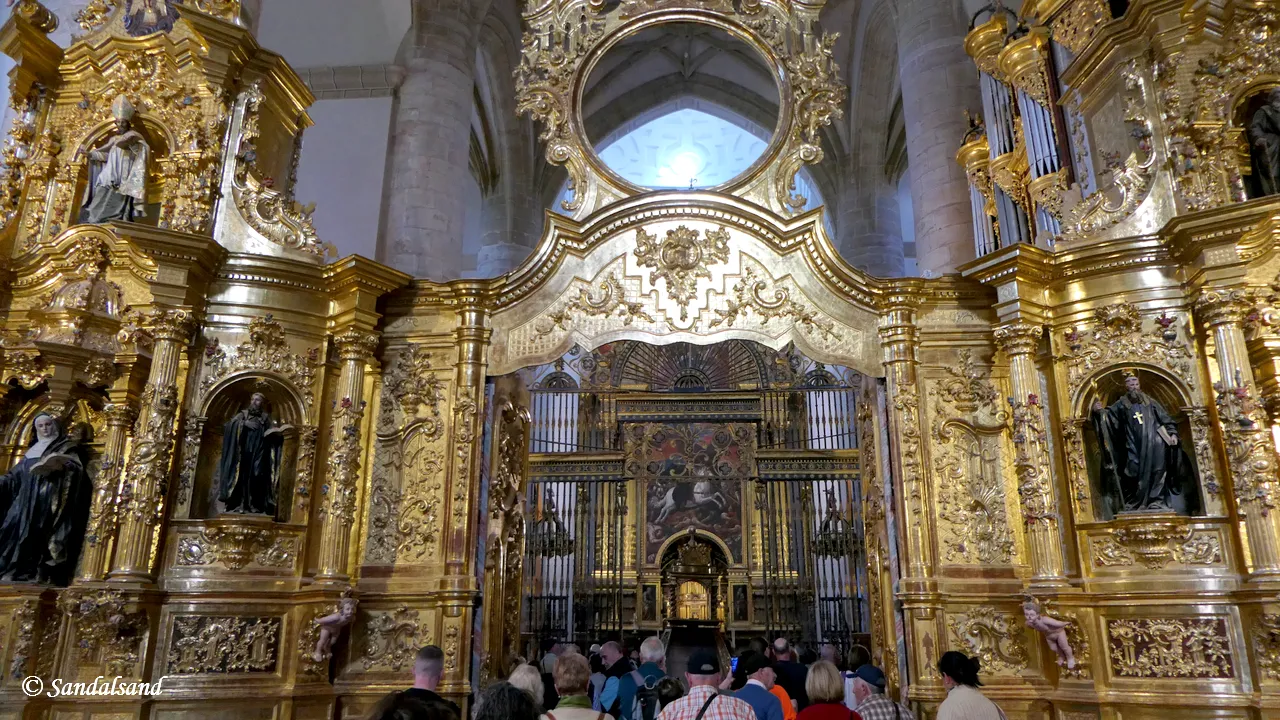
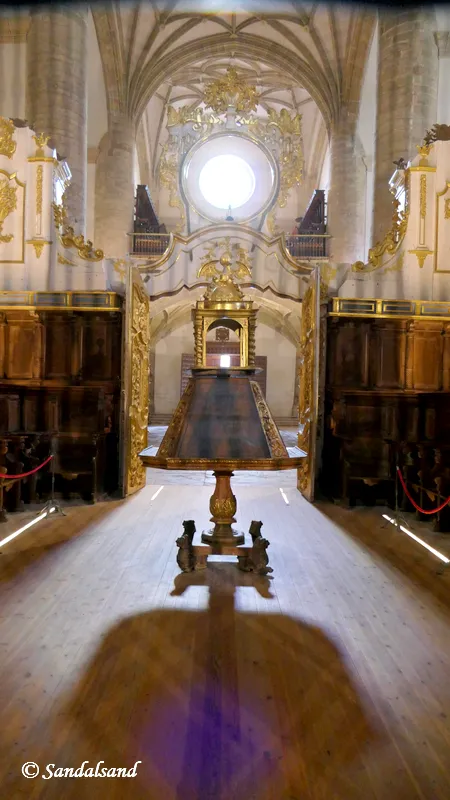
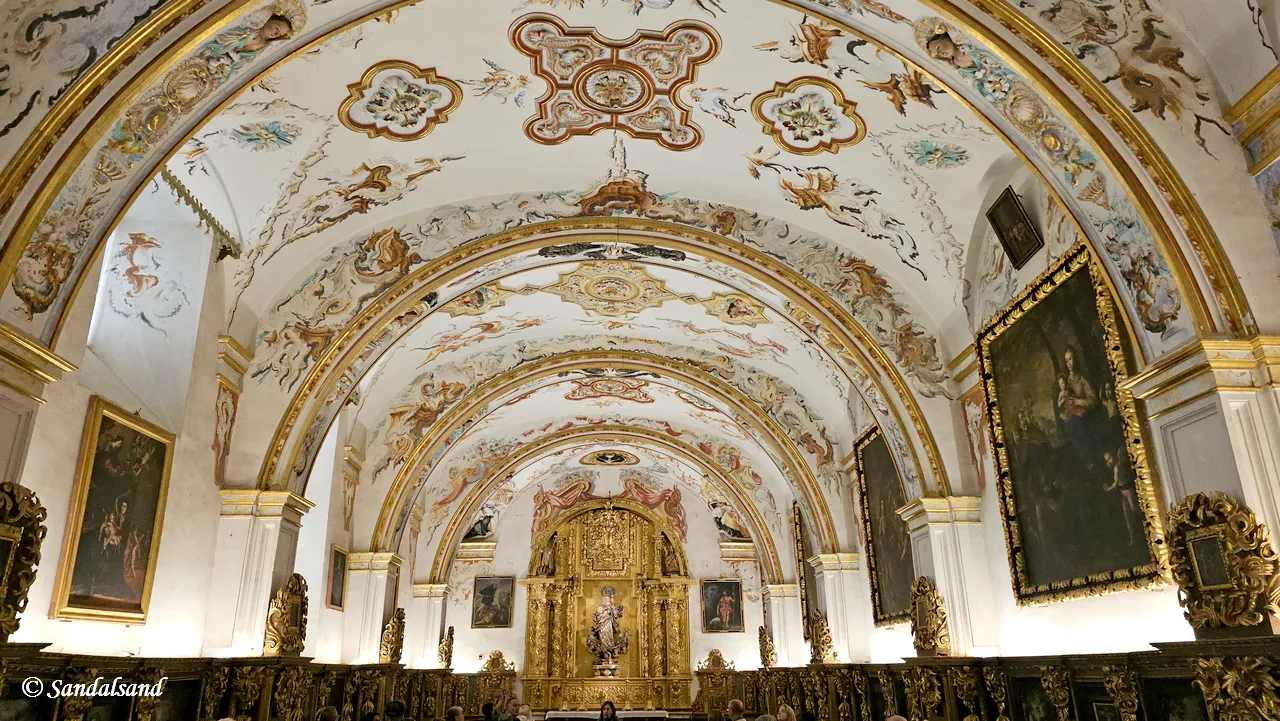
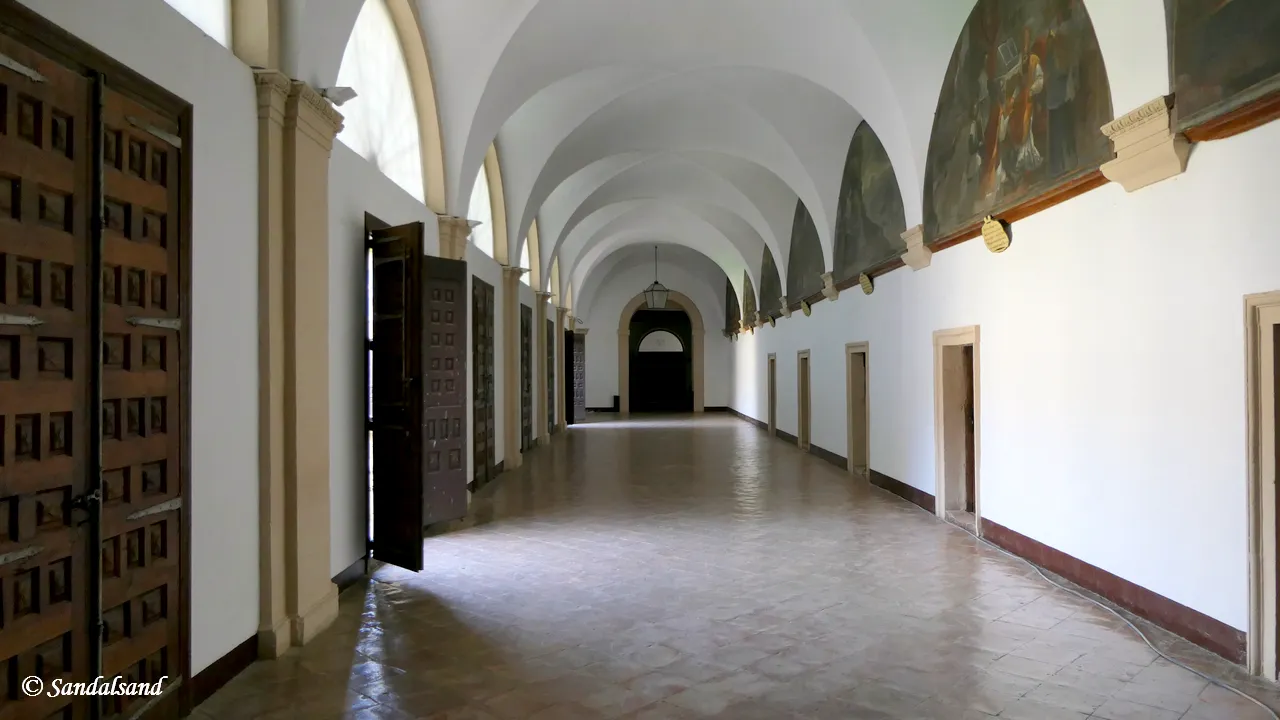
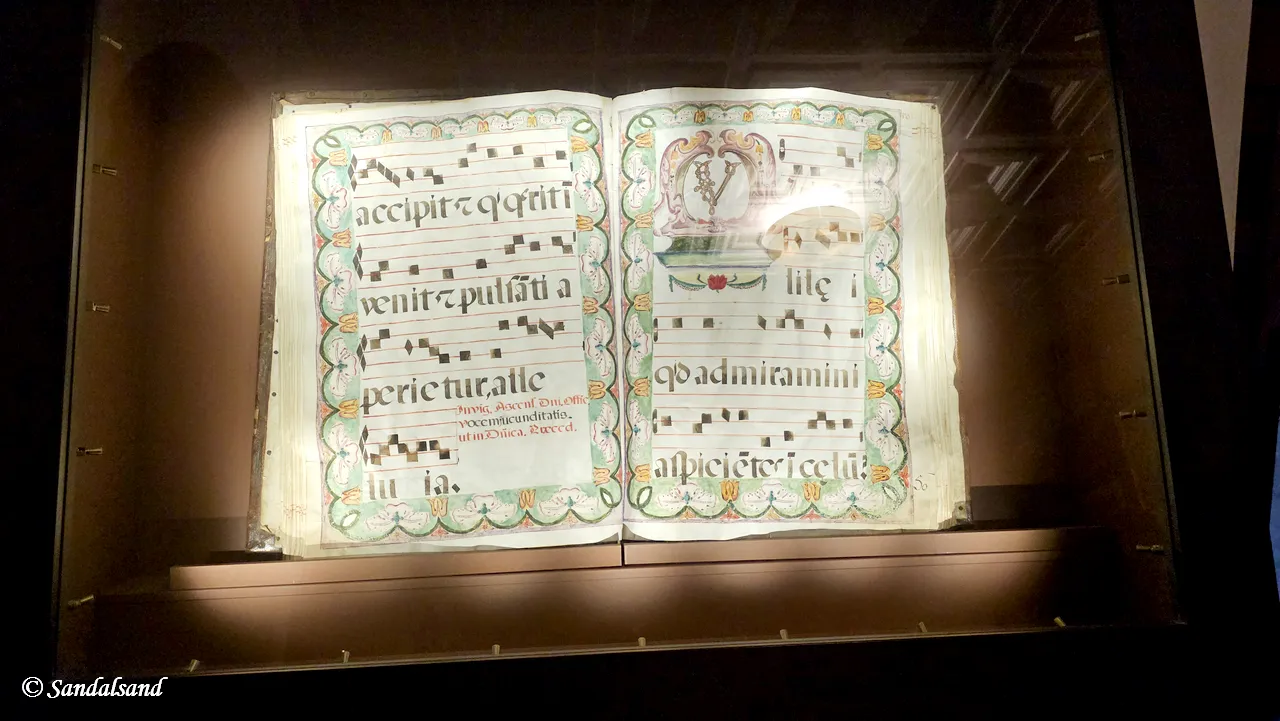
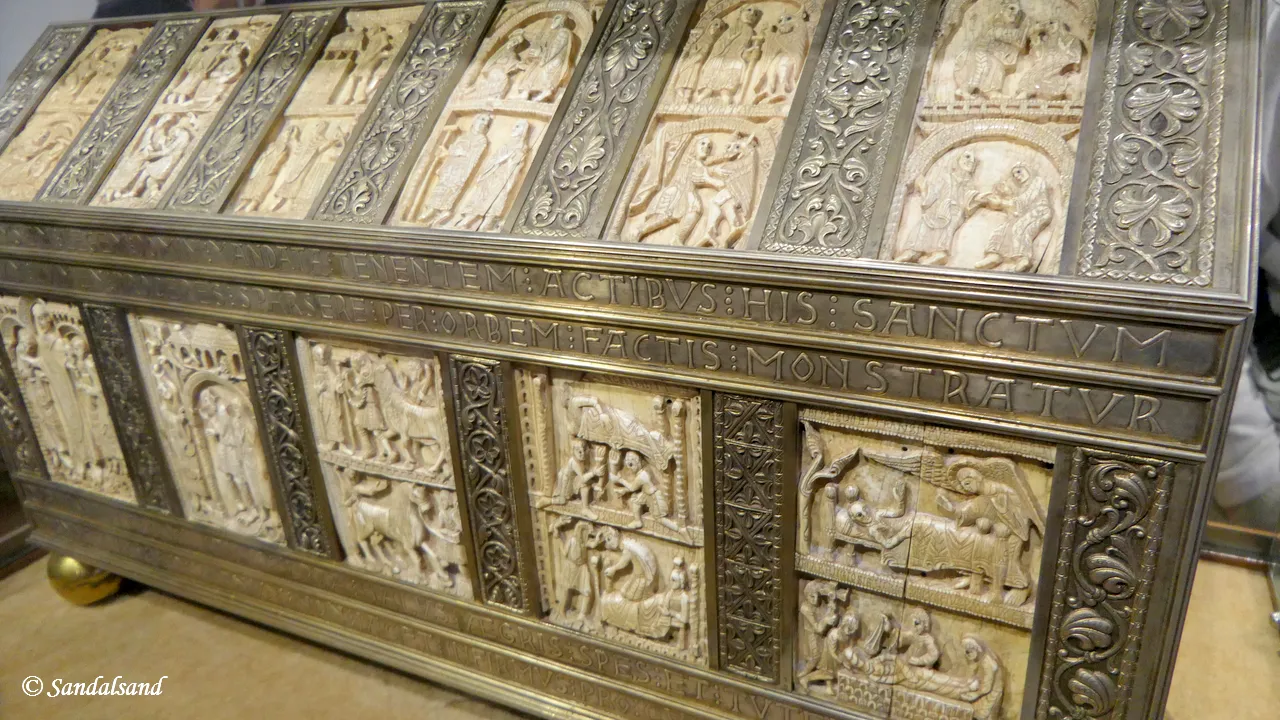
The tour of Yuso is in Spanish only and lasts 90 minutes or so. This is not a complete waste of time for non-Spanish speakers, but quite boring. The Yuso monastery is not unique in Spain - at all. The architecture is not very interesting, the sections are not impressive, the craftsmanship likewise. Still, parts of the interior are wonders to the eye (the sacristy and choir) and the heavy books with early Gregorian chant notes are genuine treasures.
What remains is that monks at Yuso preserved what monks at Suso created - some of the first examples of what later became Spanish. And so what? Is this really a good reason for becoming a world heritage site?
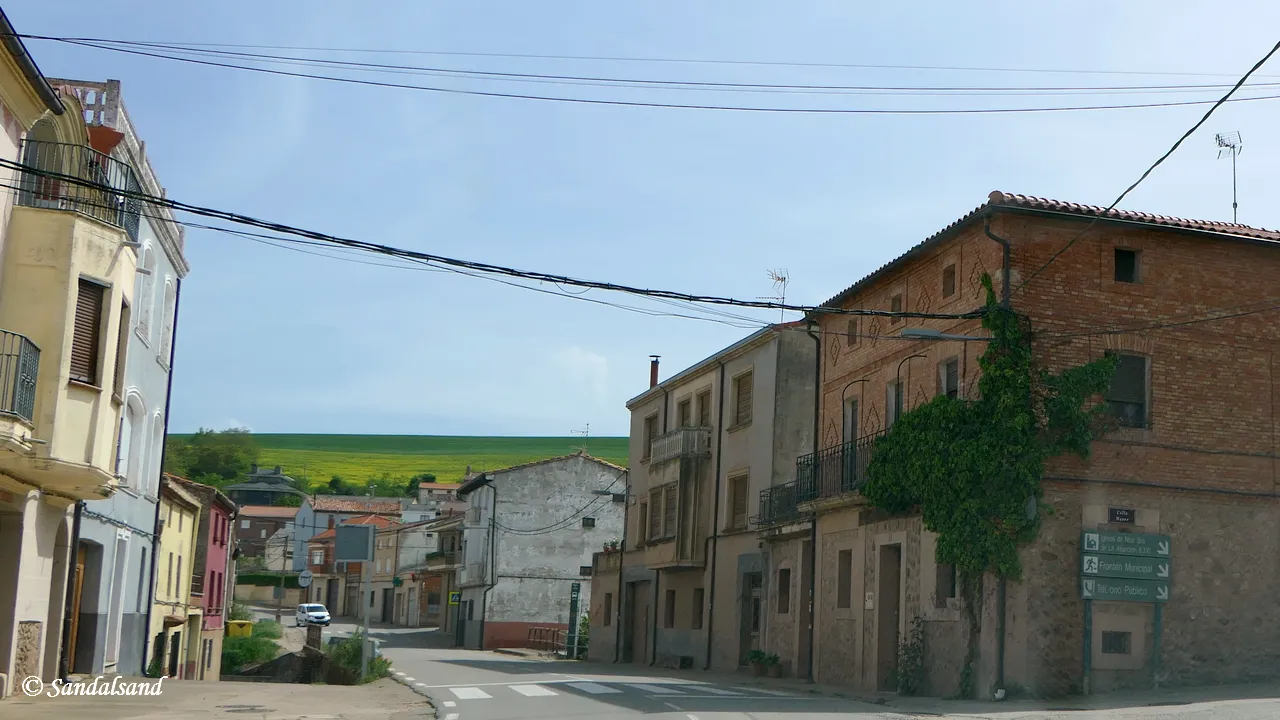
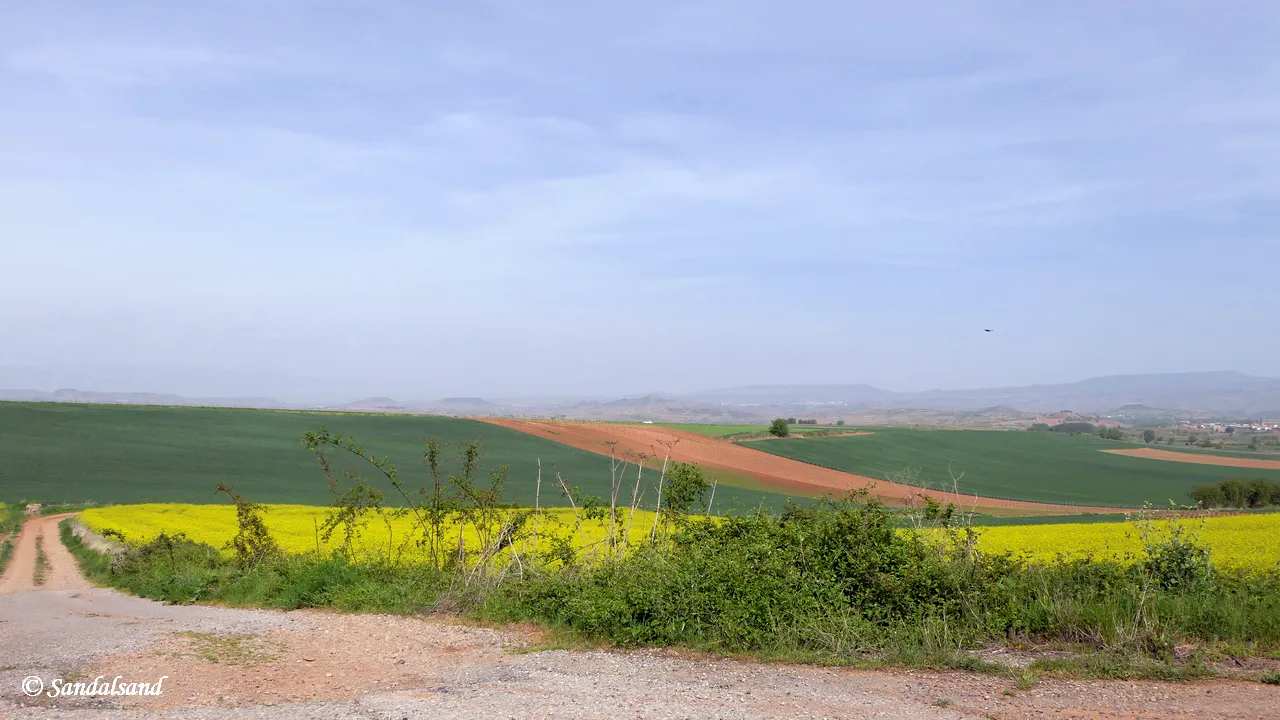
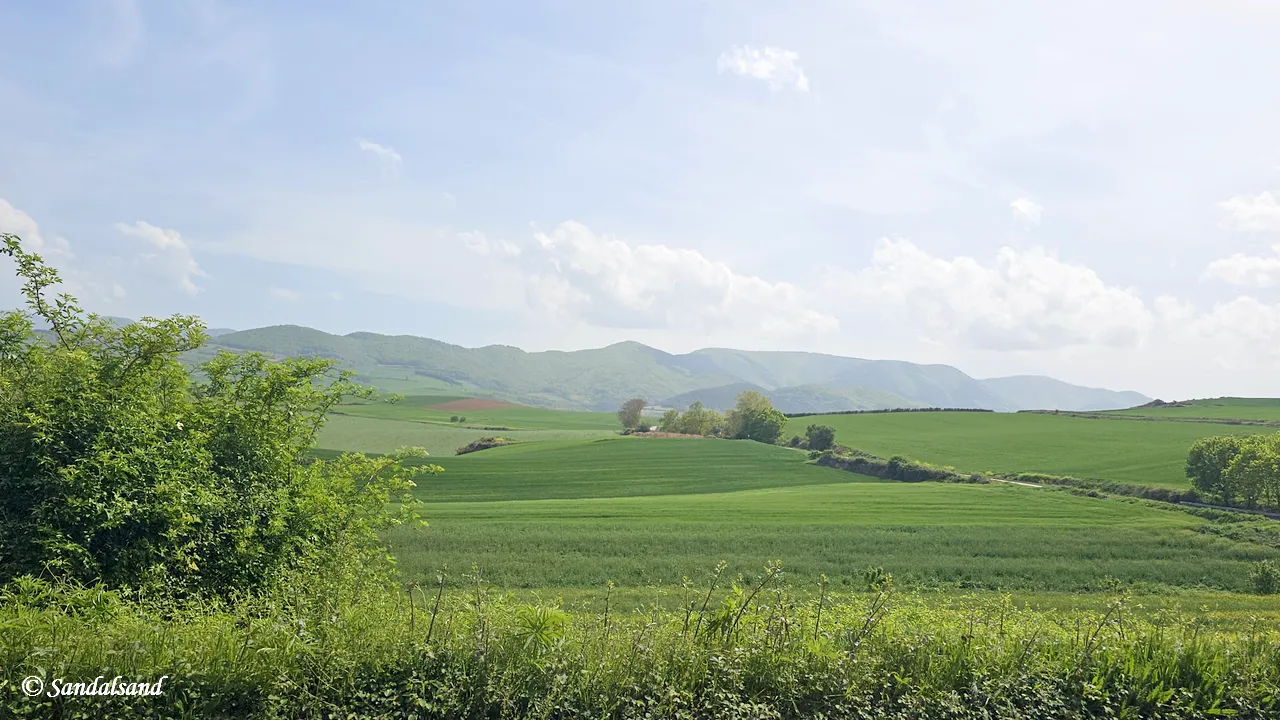
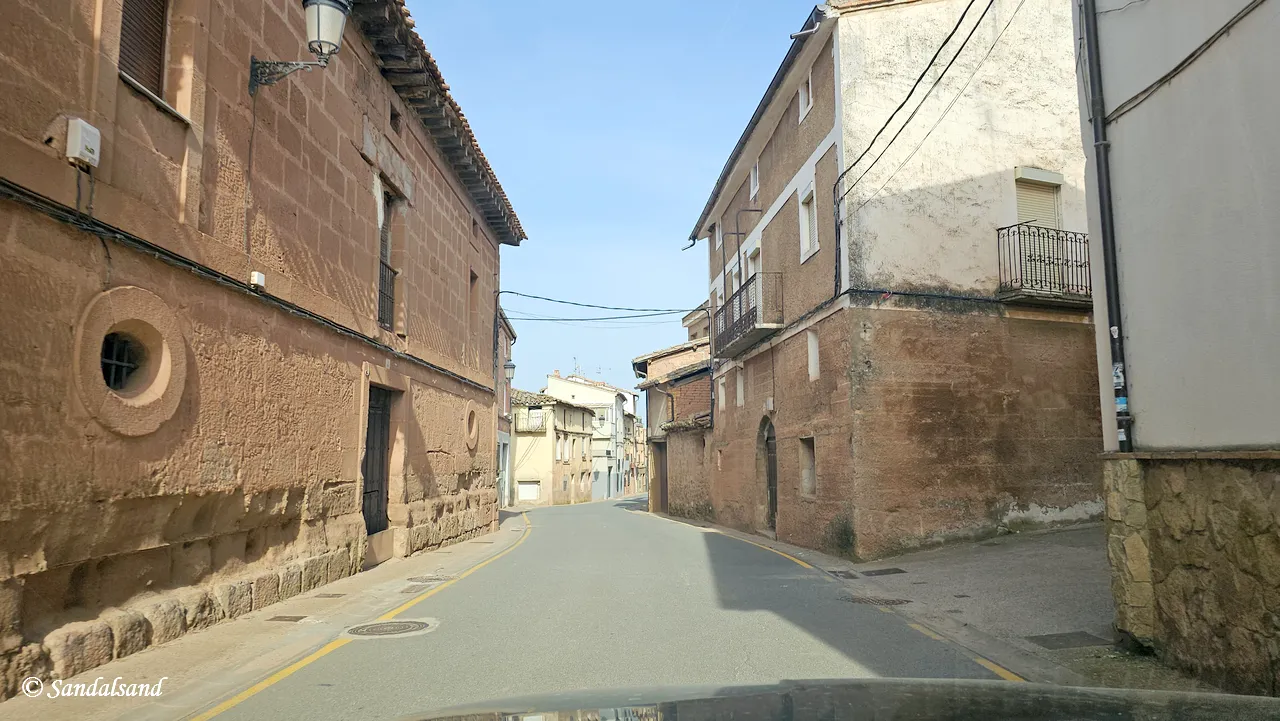
My negative comment aside, the drive here and away was through the rolling hills of La Rioja. The scenery is great, the villages compact and nice, and the grass was green in the month of April.
Read more
Find more articles from Spain on Sandalsand. Finally, where are these monasteries? Zoom in on the map from this road trip in the north of Spain.
