 Sandalsand Norge >>
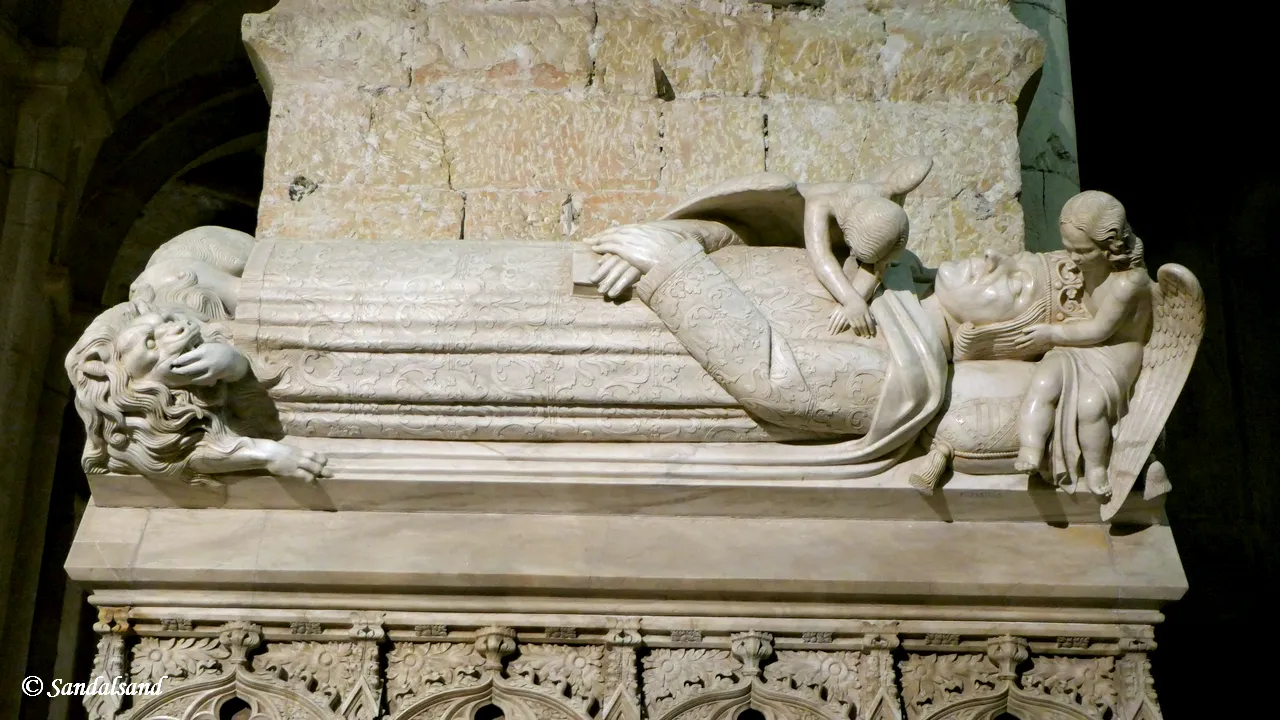
Discover Poblet Monastery, a fortified Cistercian abbey in Catalonia and the burial place of the kings of Aragon.
The UNESCO World Heritage List includes over a thousand properties. They have outstanding universal value and are all part of the world’s cultural and natural heritage.
Official facts
- Official title: Poblet Monastery
- Country: Spain
- Date of inscription: 1991
- Category: Cultural
UNESCO’s World Heritage Centre’s short description of site no. 518:
This Cistercian abbey in Catalonia is one of the largest in Spain. At its centre is a 12th-century church. The austere, majestic monastery, which has a fortified royal residence and contains the pantheon of the kings of Catalonia and Aragon, is an impressive sight.
More about it
The WHC description is a bit short, so I looked out for more. Here is my edited summary.
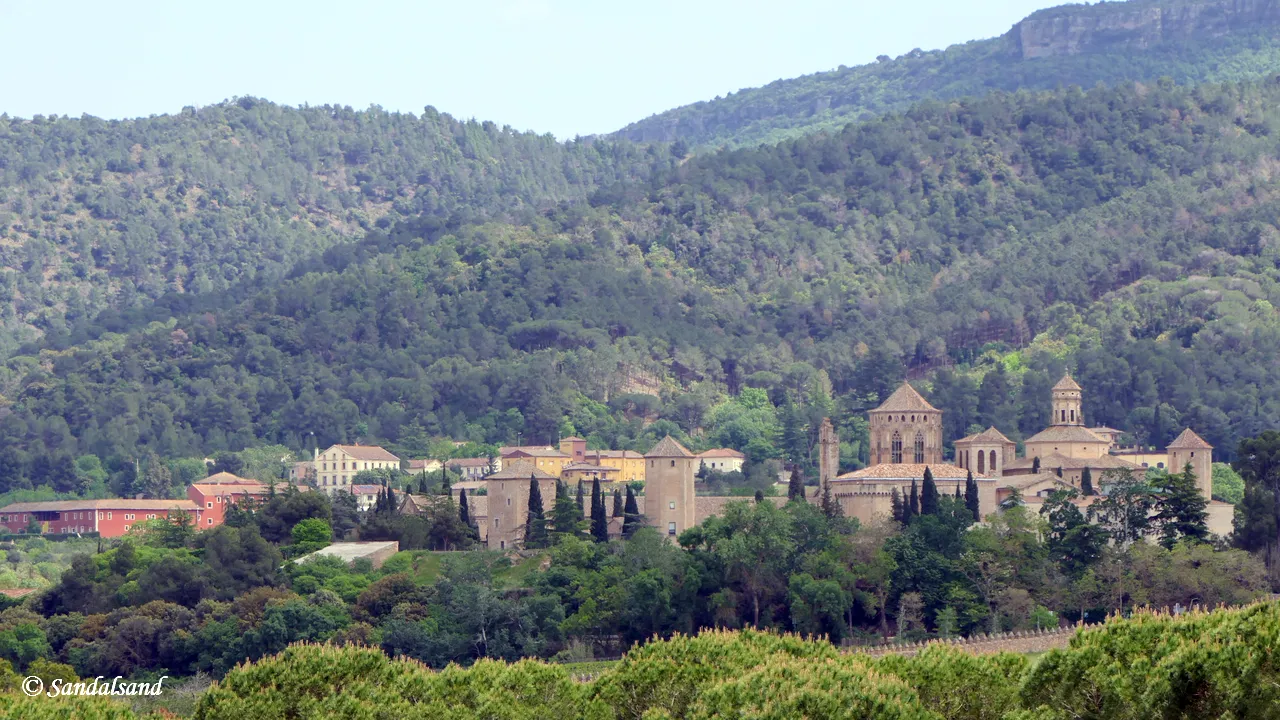
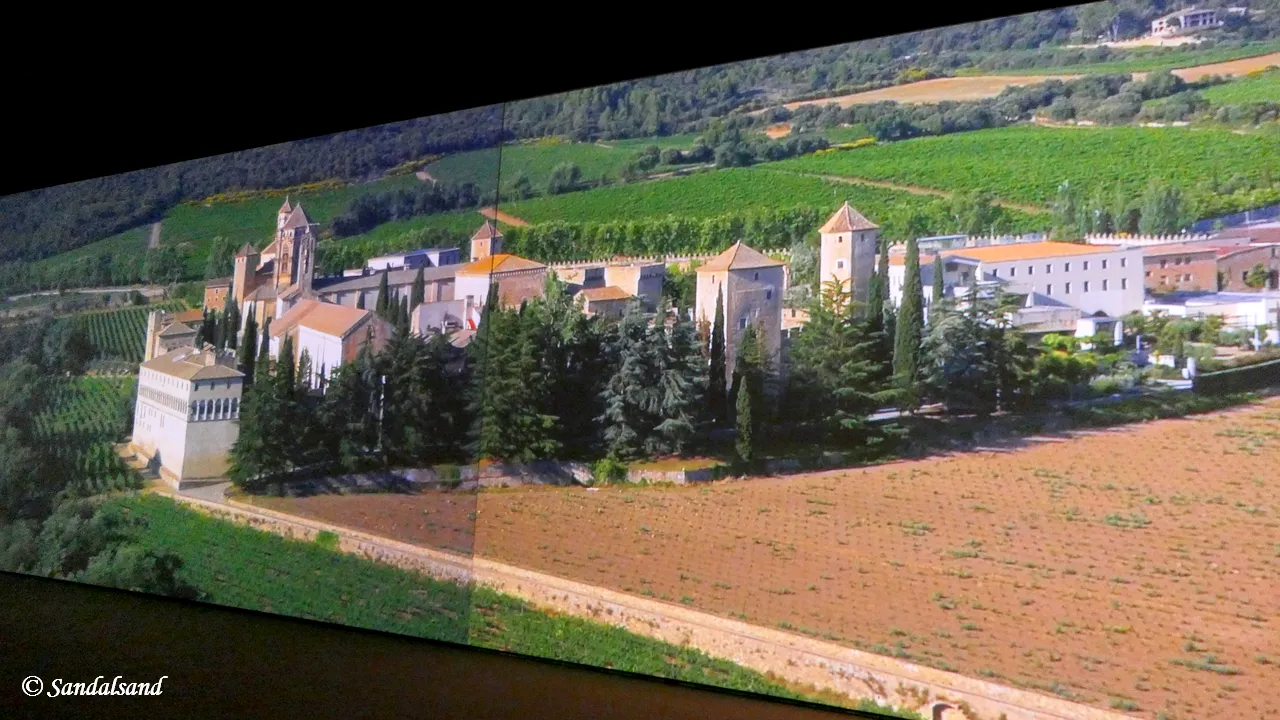
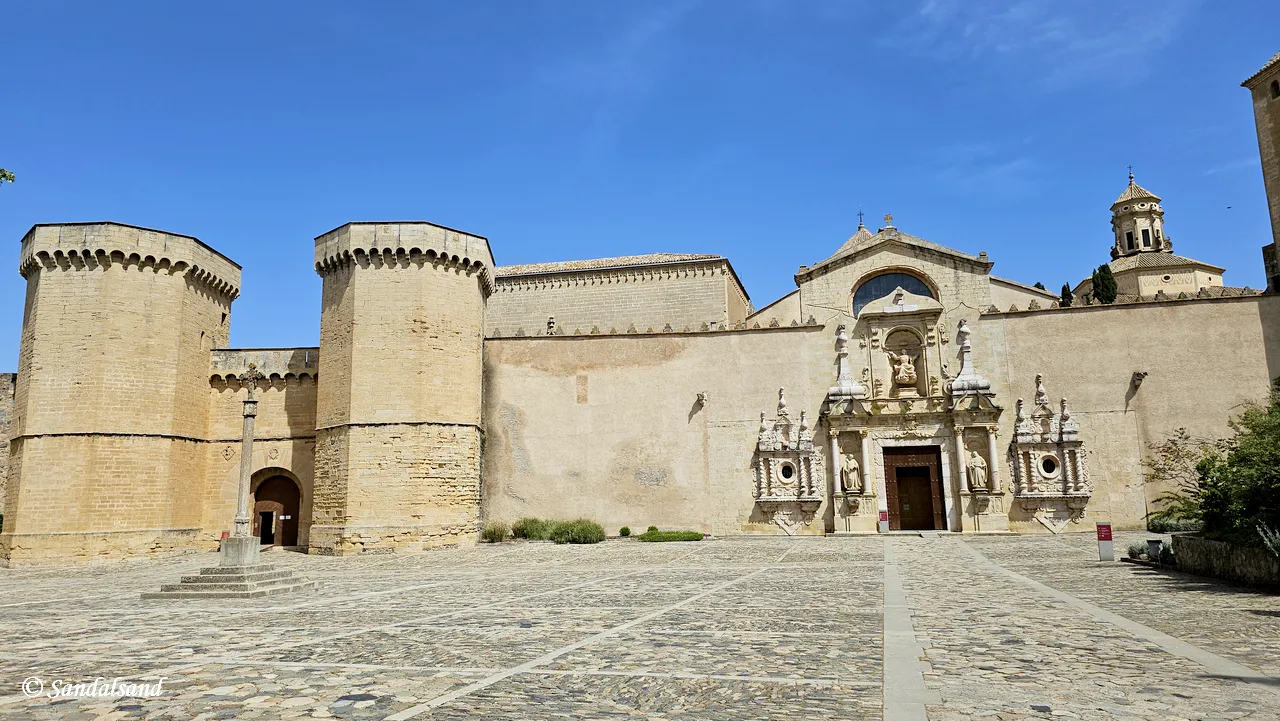
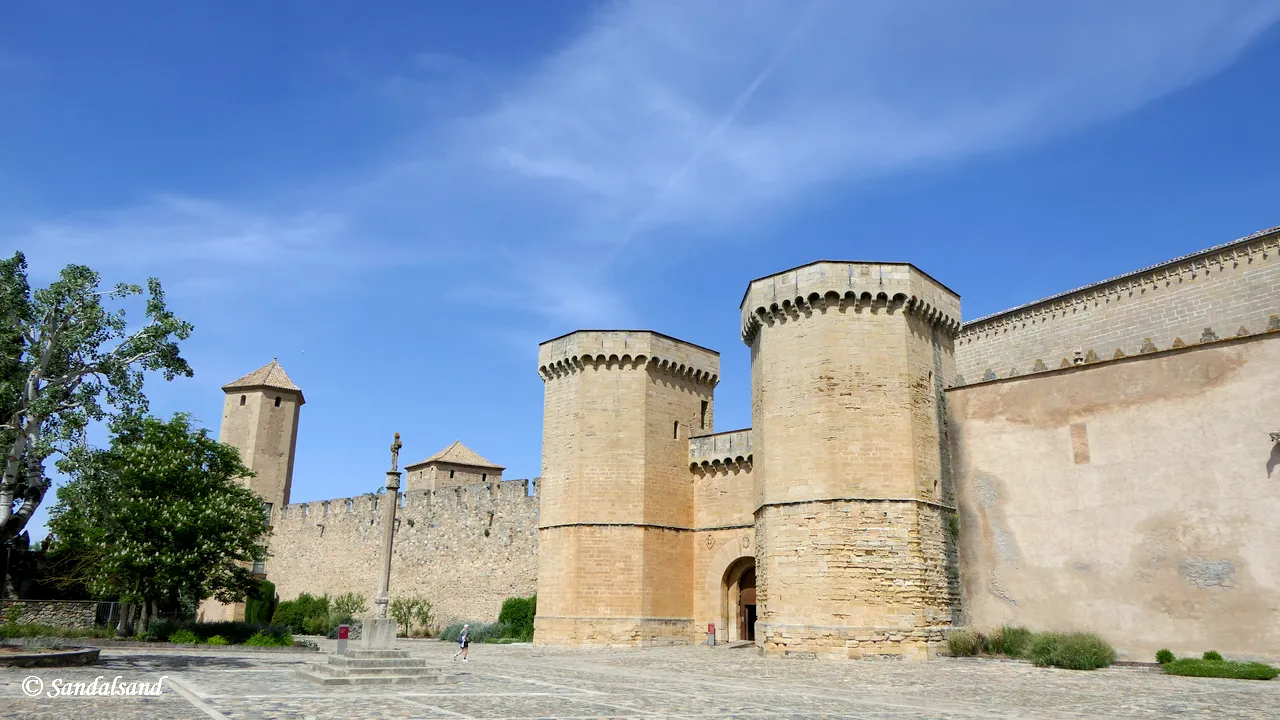
The Monastery of Poblet is far more than a religious institution. For centuries it served as a centre of spirituality, royal power and learning, while its massive walls and towers gave it the appearance of a fortified city.
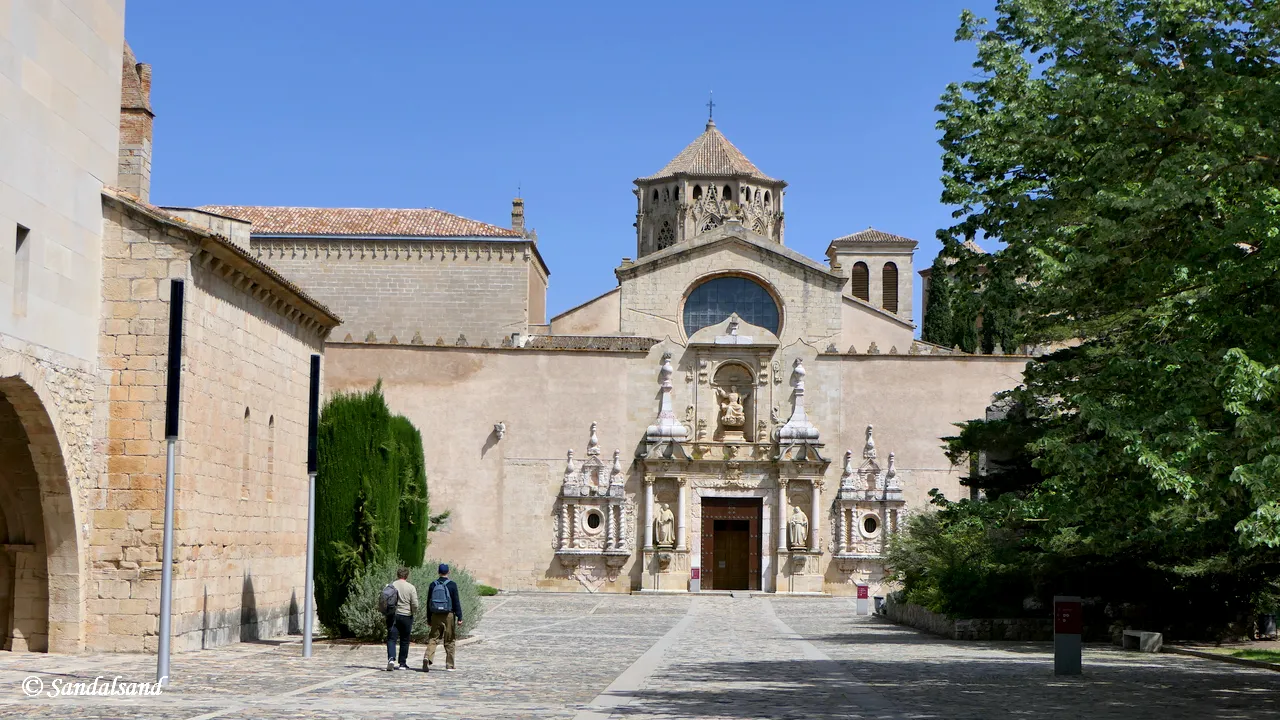
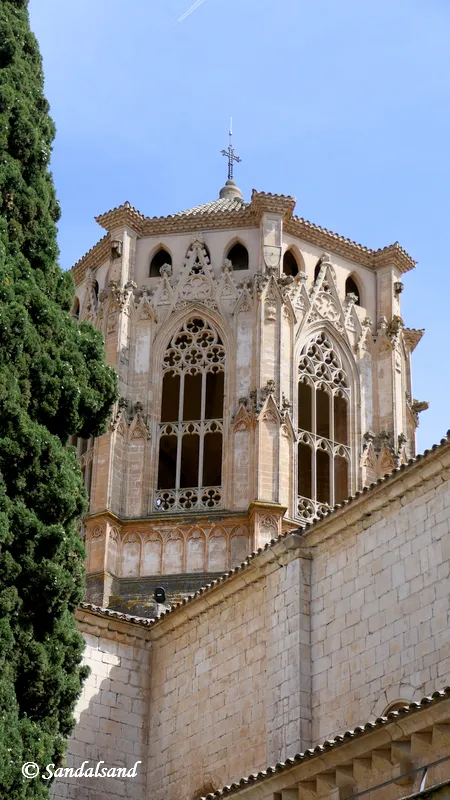
Founded in the twelfth century by Cistercian monks, Poblet grew into one of the largest and most complete abbeys of its kind in Europe. Built according to the austere ideals of the Cistercian order, its architecture combines simplicity with grandeur, creating an atmosphere that is both imposing and contemplative.
The monastery also became closely associated with the Crown of Aragon. Several kings and queens of Catalonia and Aragon were buried here, transforming Poblet into the royal pantheon of one of medieval Europe's most powerful realms. At the same time, its library and scriptorium developed into important centres of scholarship and historical record keeping.
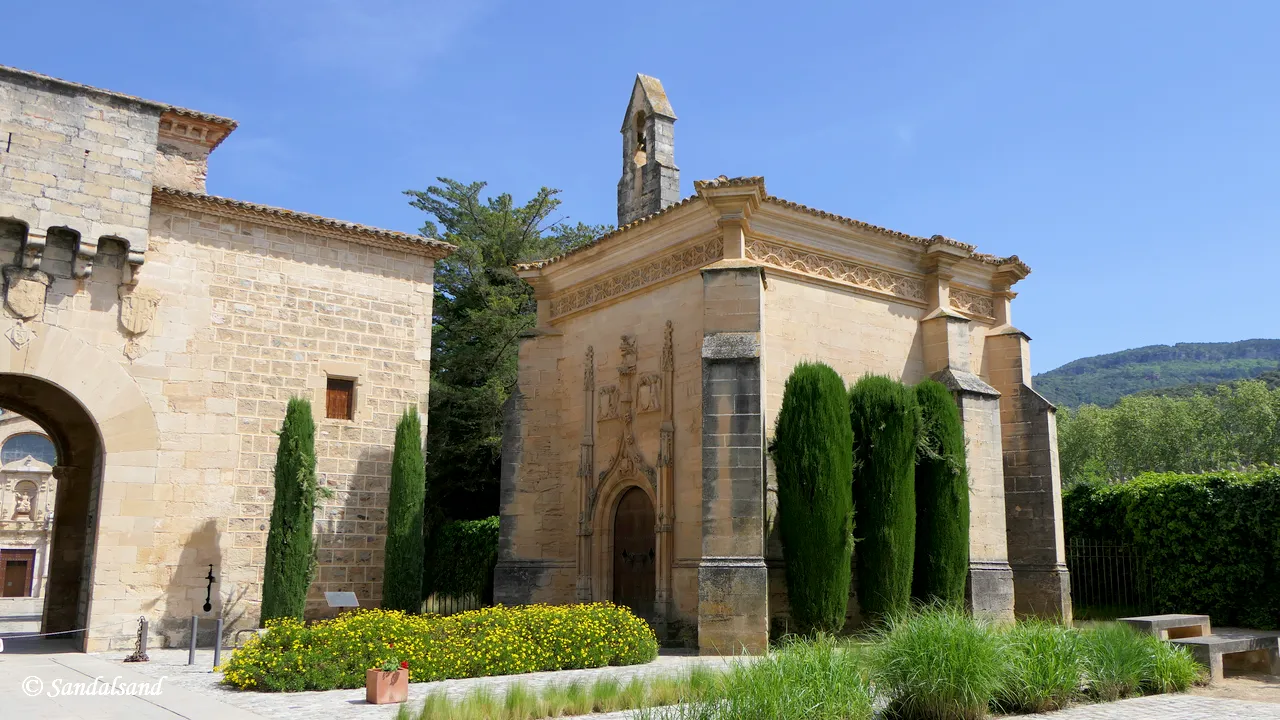
Today, visitors encounter a remarkable ensemble of churches, cloisters, palaces and defensive walls that have remained largely intact despite centuries of political upheaval and periods of abandonment. Even more remarkably, Poblet is not merely a monument of the past. A community of Cistercian monks still lives within its walls, preserving a monastic tradition that stretches back almost nine centuries.
My visit
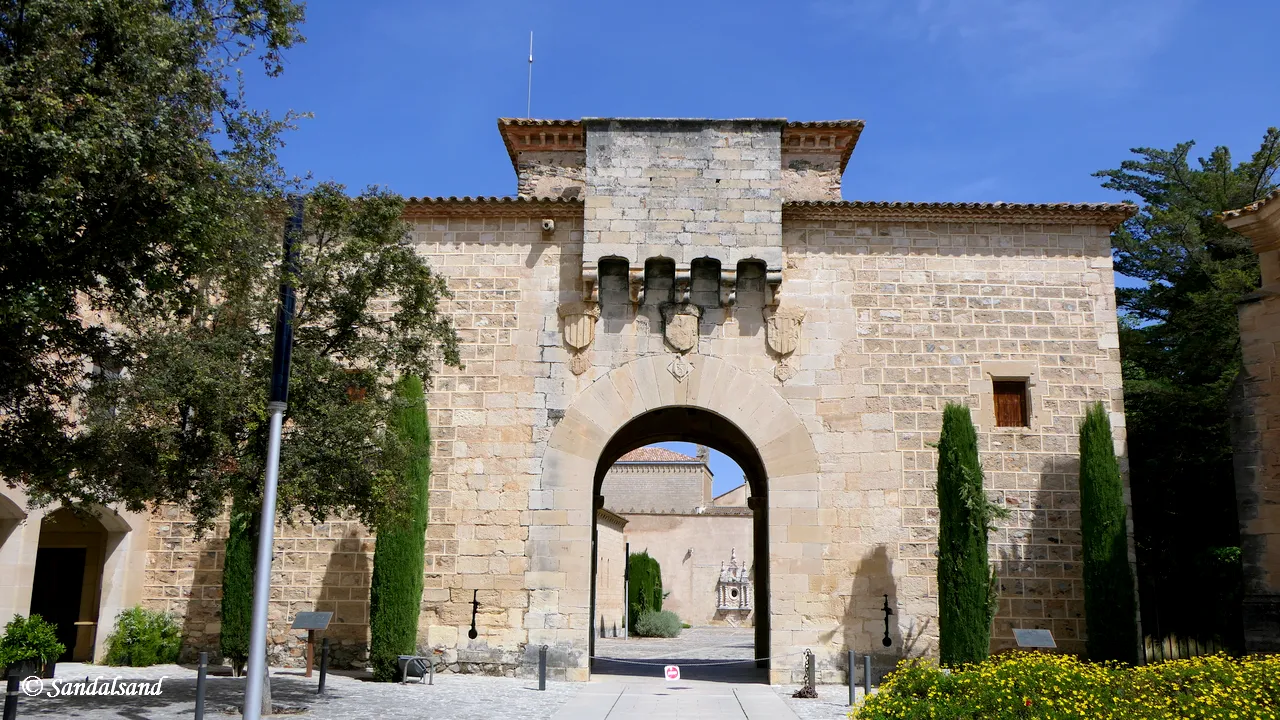
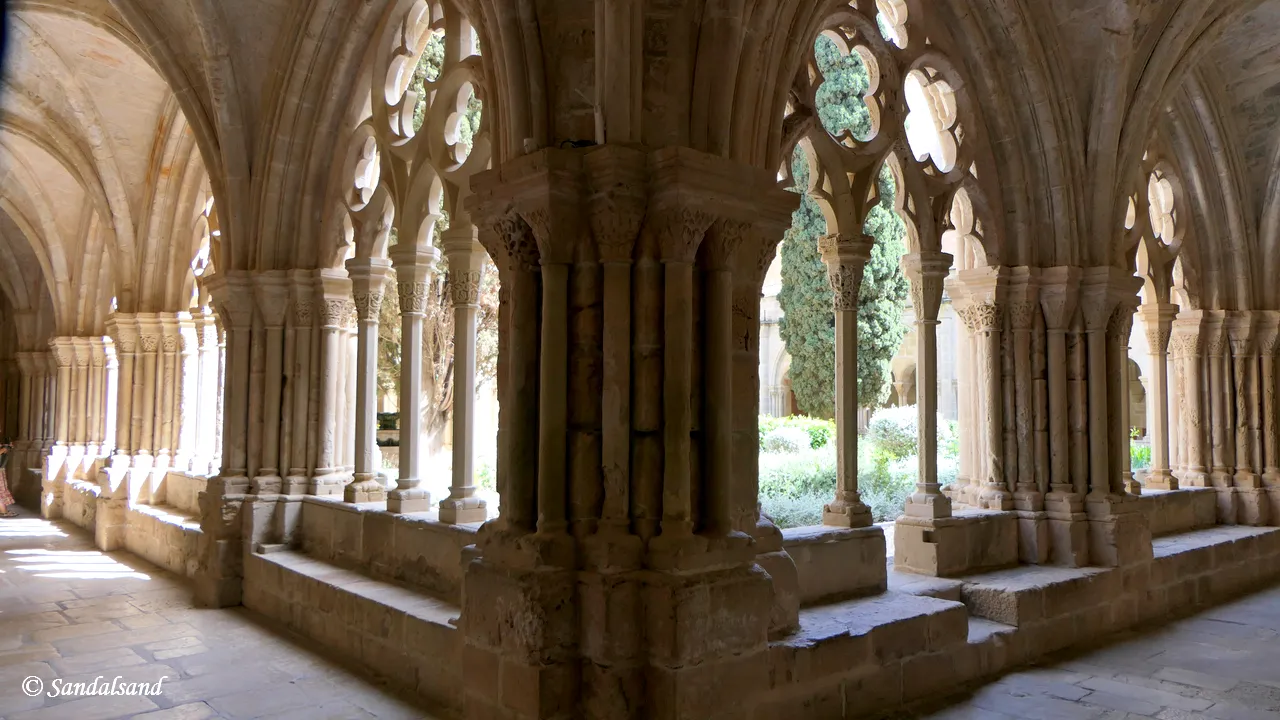
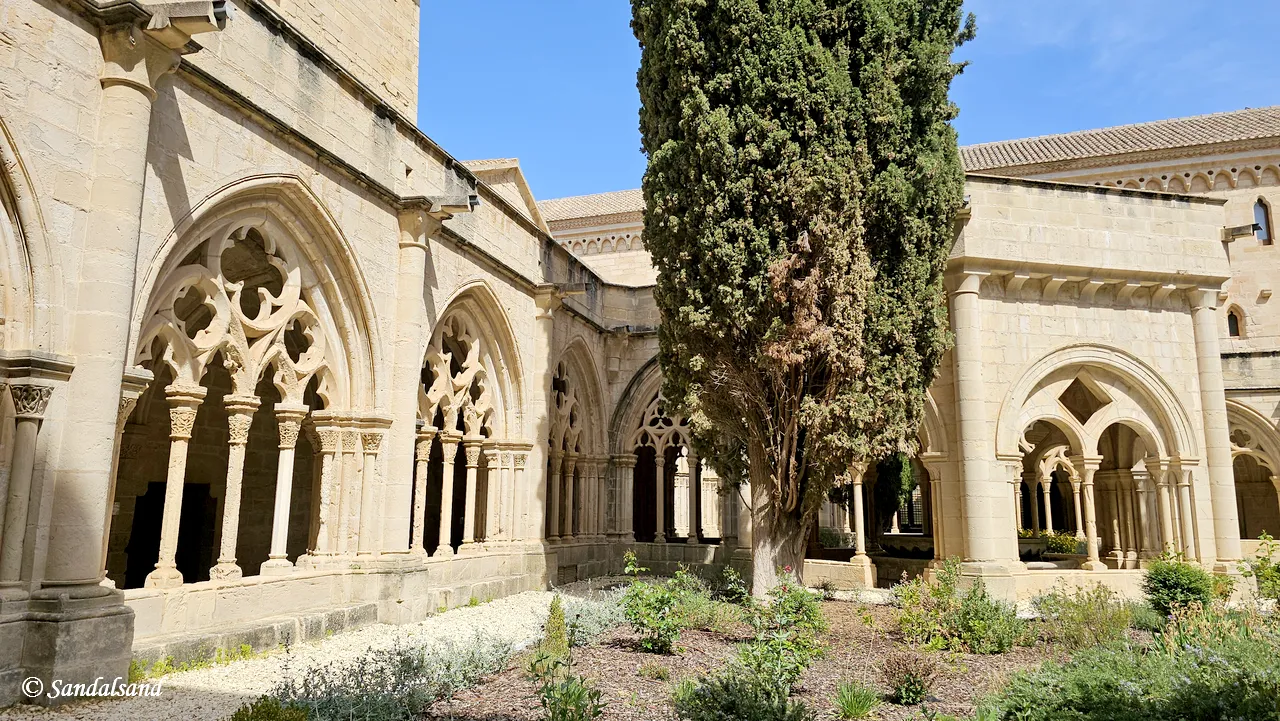
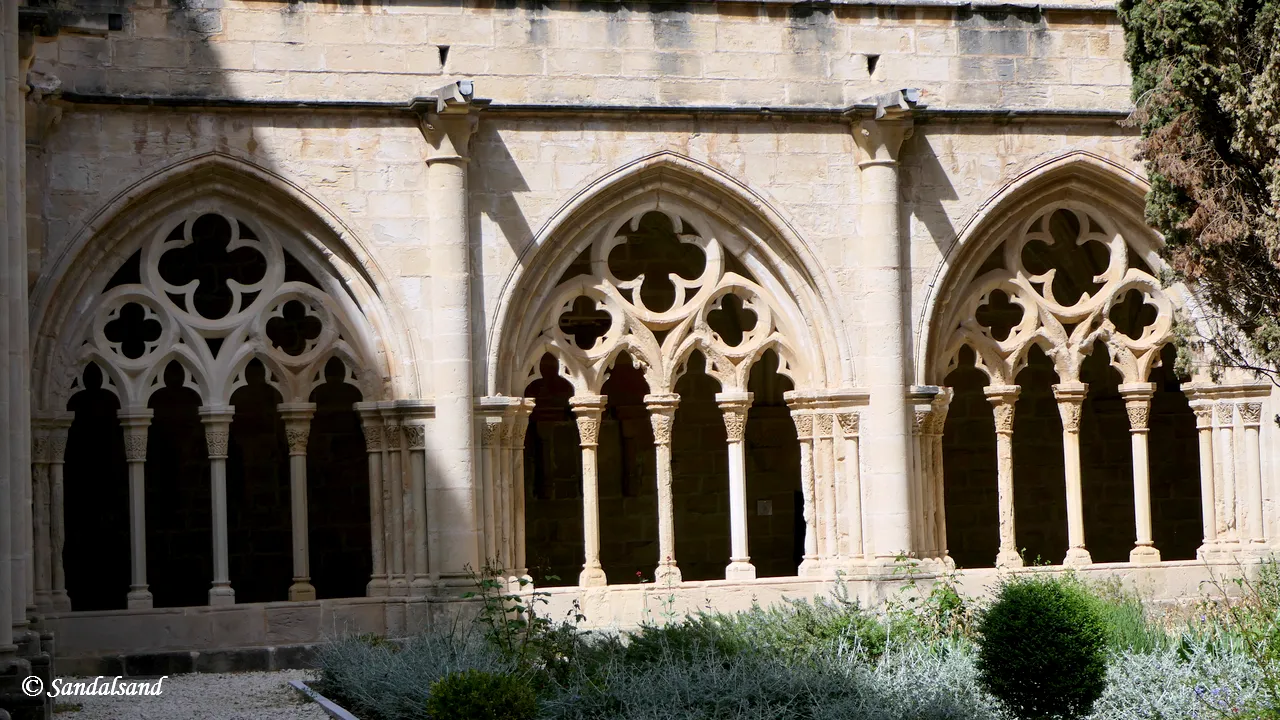
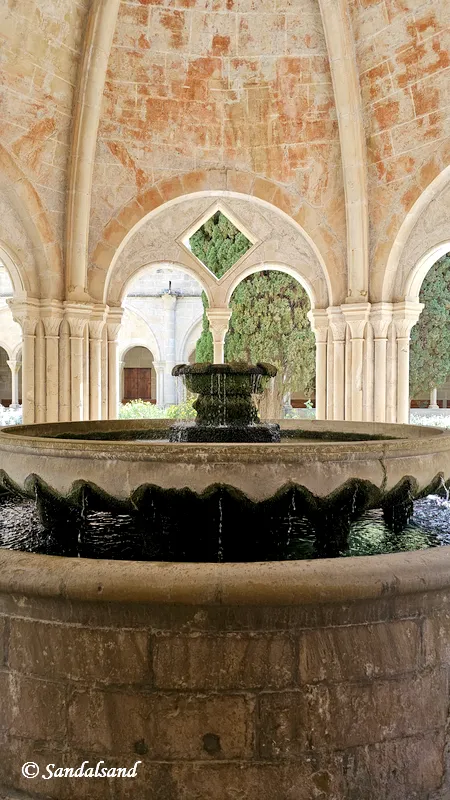
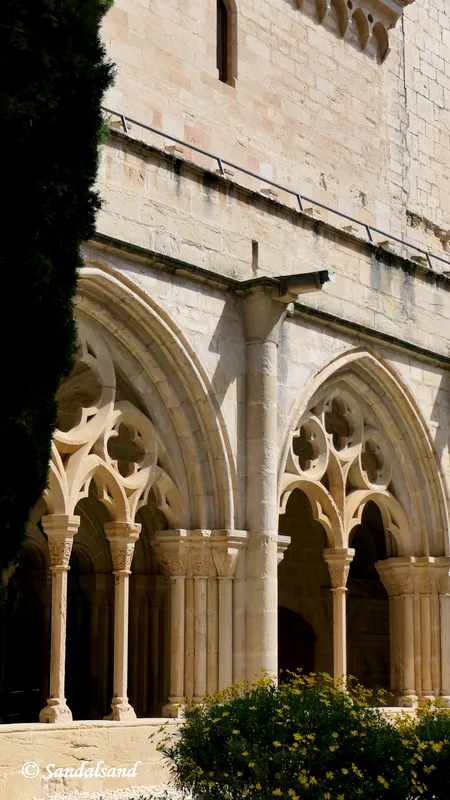
I was on a road trip through northern Spain in 2026, aiming to connect some of the country's most important towns with its World Heritage Sites. Of all the places I visited, the Monastery of Poblet struck me as a place of contrasts. From the outside, the large complex resembles a fortress, with imposing walls and towers. Inside, however, and especially in the cloister garden, an atmosphere of peace and tranquillity prevails. The gentle sound of water dripping into the cistern and the sight of beautifully carved stonework invite visitors to slow down and linger.
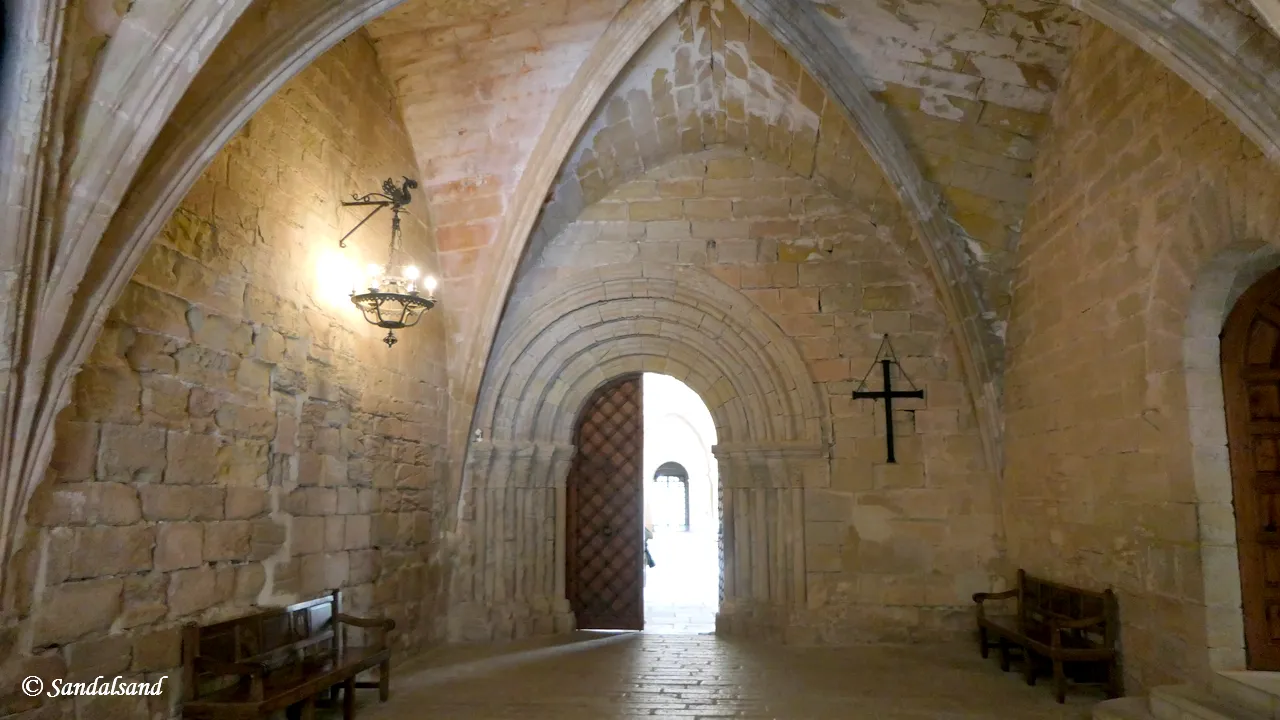
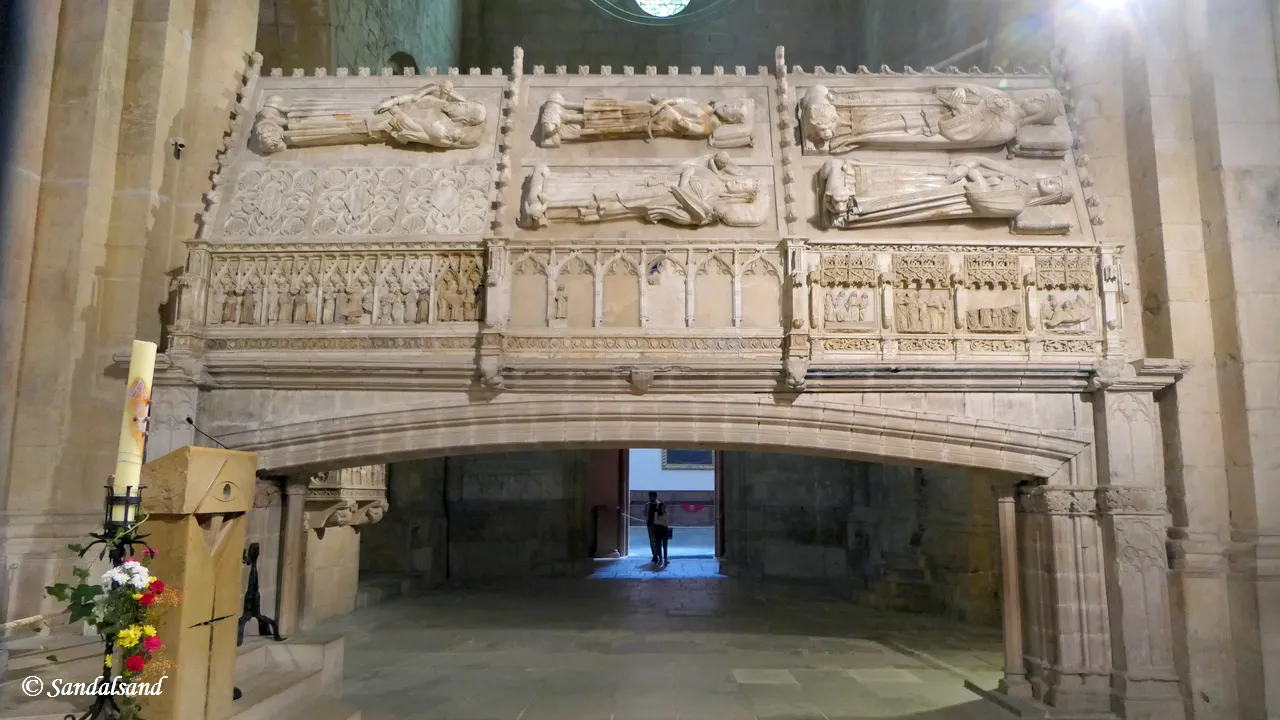
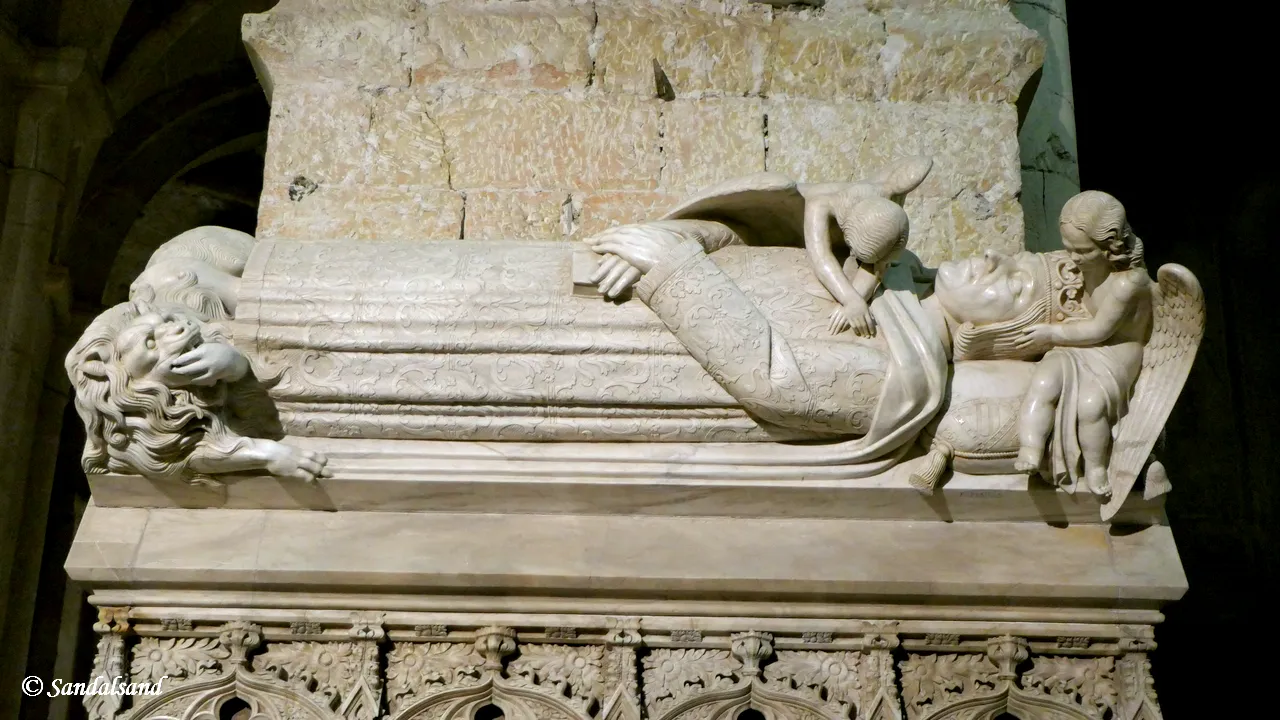
The church itself is rather austere, with soaring vaults and little in the way of decoration. In contrast, the stone sarcophagi of the kings and queens buried here are exquisite works of art and among the monastery's most impressive treasures.
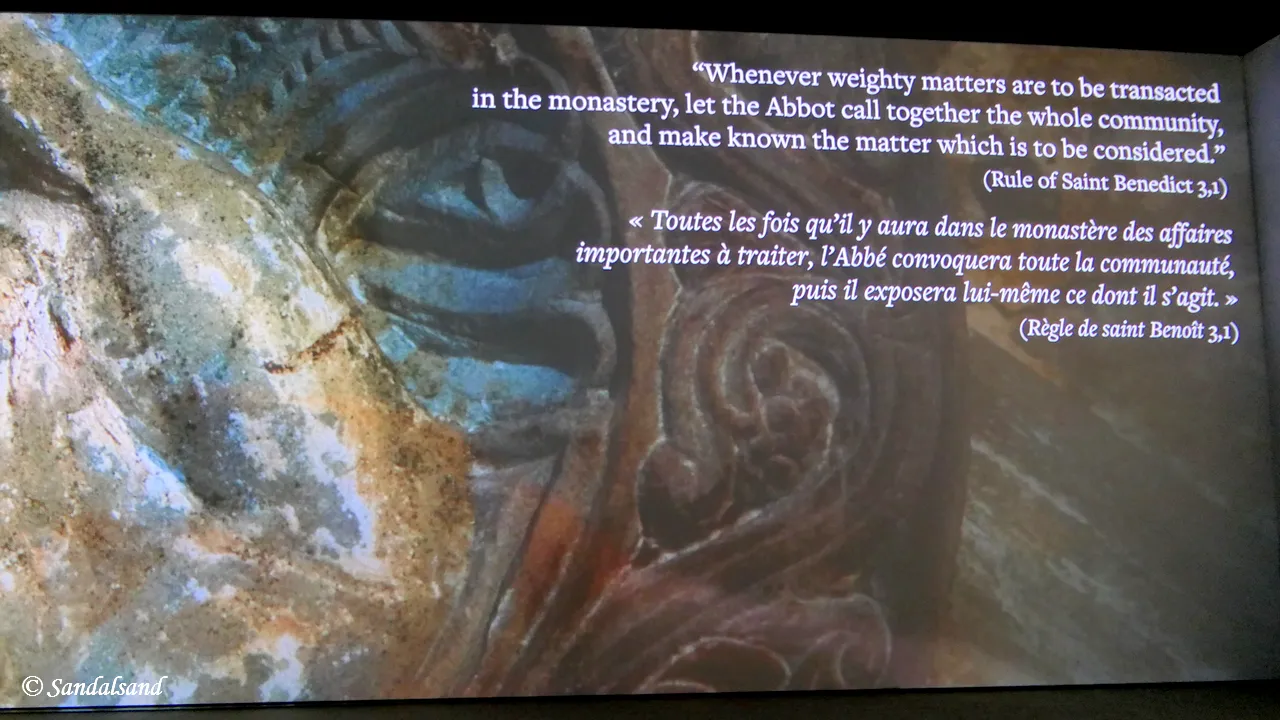
After purchasing a ticket, visitors are first led into a large auditorium surrounded by wall-to-wall screens on three sides. A presentation introduces in text and images the history of the monastery and the background and beliefs of the Cistercian order. The narration is available in both English and Spanish. Afterwards, the rest of the complex can be explored independently and at one's own pace.
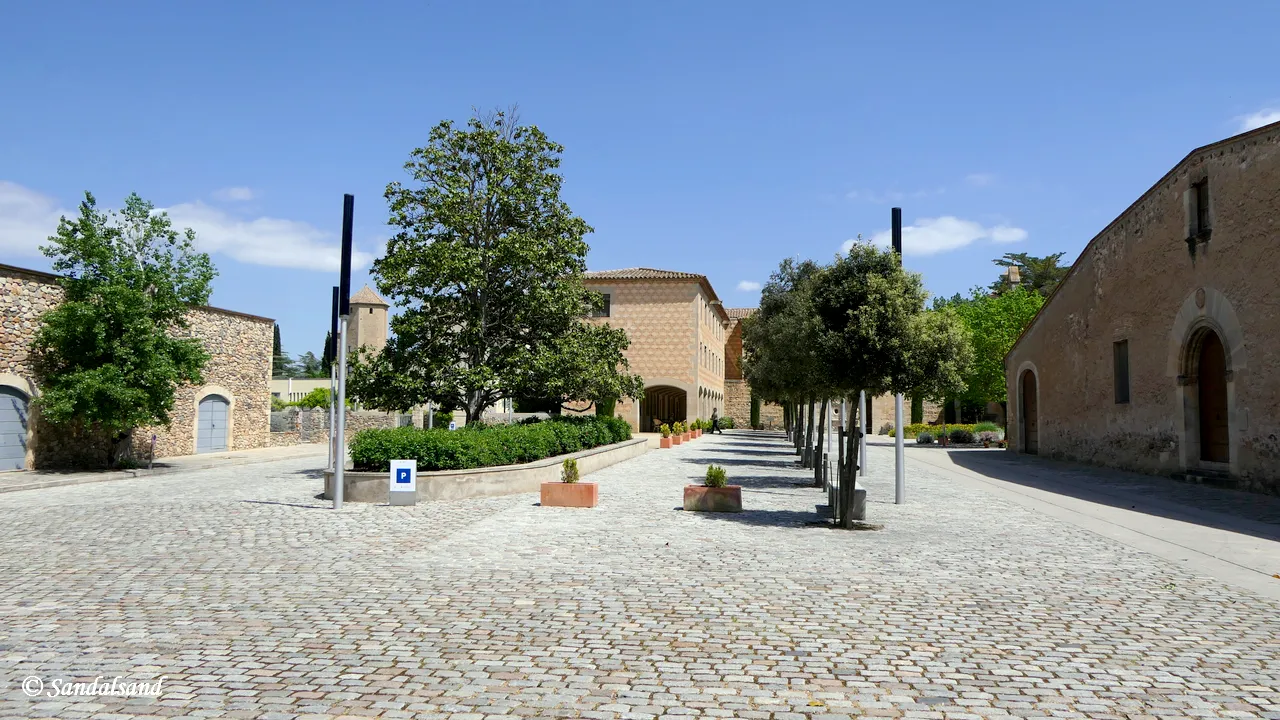
Let me just add that there is a souvenir shop inside the ticket office. An app is available for download with information on where to go and what to see - use your headphones. Check out the monastery's website for opening hours (the website is not in English!) Beware, there is a siesta in the middle of the day. You don't have to book this visit via a tour agent. There is a large parking lot right outside.
Read more
Find more articles from Spain on Sandalsand. Finally, where is this monastery? Zoom in on the map from this road trip in the north of Spain.
