 Sandalsand Norge >>
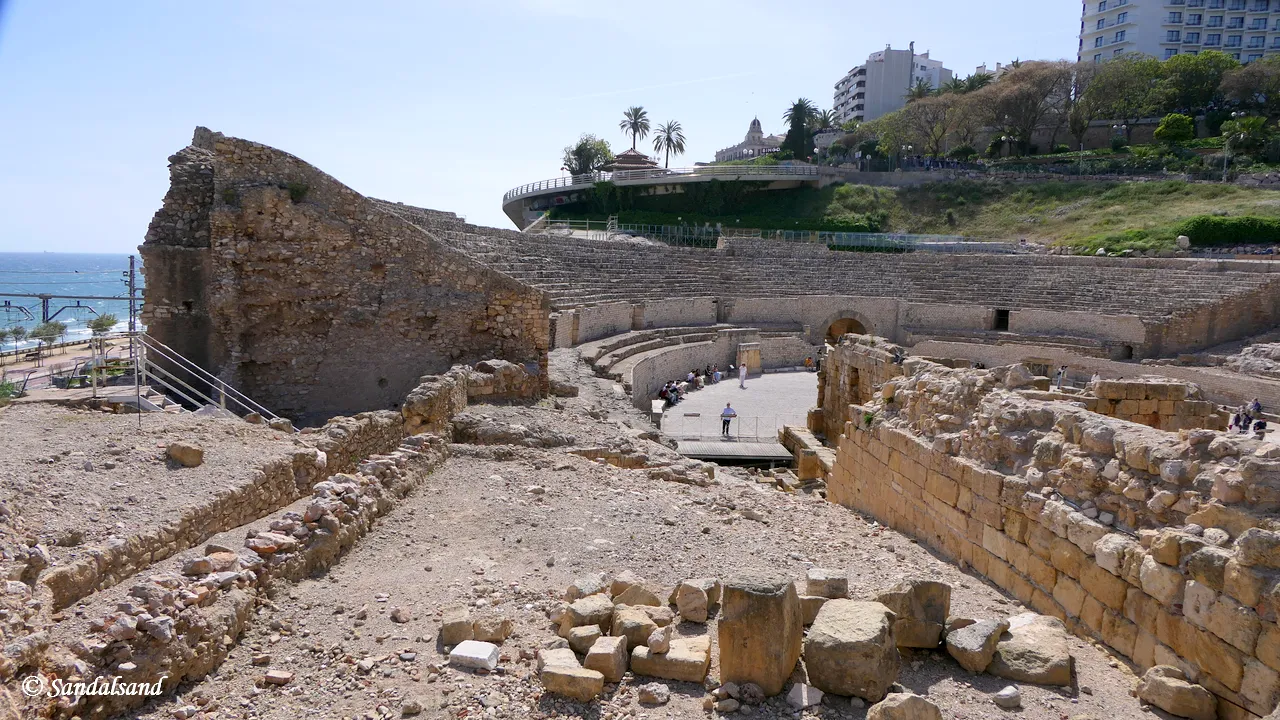
Visit Tarragona's Archaeological Ensemble of Tarraco, one of Spain's finest collections of Roman monuments.
The UNESCO World Heritage List includes over a thousand properties. They have outstanding universal value and are all part of the world’s cultural and natural heritage.
Official facts
- Official title: Archaeological Ensemble of Tarraco
- Country: Spain
- Date of inscription: 2000
- Category: Cultural
UNESCO’s World Heritage Centre’s short description of site no. 875:
Tarraco (modern-day Tarragona) was a major administrative and mercantile city in Roman Spain and the centre of the Imperial cult for all the Iberian provinces. It was endowed with many fine buildings, and parts of these have been revealed in a series of exceptional excavations. Although most of the remains are fragmentary, many preserved beneath more recent buildings, they present a vivid picture of the grandeur of this Roman provincial capital.
More about it
The WHC description is a bit short, so I looked out for more. Here is my edited summary.
Long before Tarragona became a popular destination on Spain's Mediterranean coast, it was one of the Roman Empire's most important cities on the Iberian Peninsula. Known as Tarraco, it served as the capital of the Roman province of Hispania Citerior and later Hispania Tarraconensis. It governed a vast territory for several centuries.
Tarraco developed quite like many Roman cities across the empire. There were a number of ambitious programmes of public buildings and engineering works. Amphitheatres, forums, temples, aqueducts, defensive walls and a circus transformed Tarraco into one of the greatest Roman cities outside Italy. Although much of the ancient city disappeared over the centuries, an exceptional collection of monuments has survived. Many of them are still woven into the fabric of modern Tarragona.
Unlike many archaeological sites enclosed within a single park, the Archaeological Ensemble of Tarraco is spread across the city and its surrounding countryside. Visitors encounter Roman remains in plazas, beside medieval streets and overlooking the Mediterranean, creating a fascinating dialogue between the ancient and the modern city.
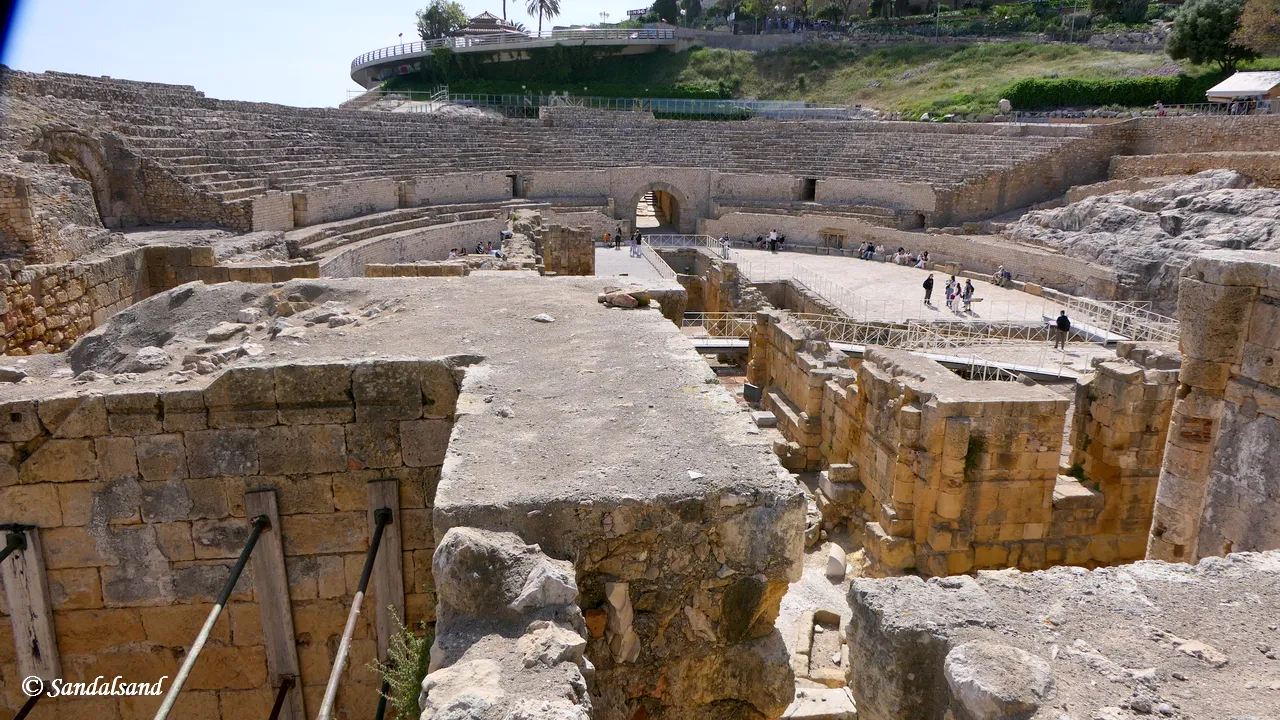
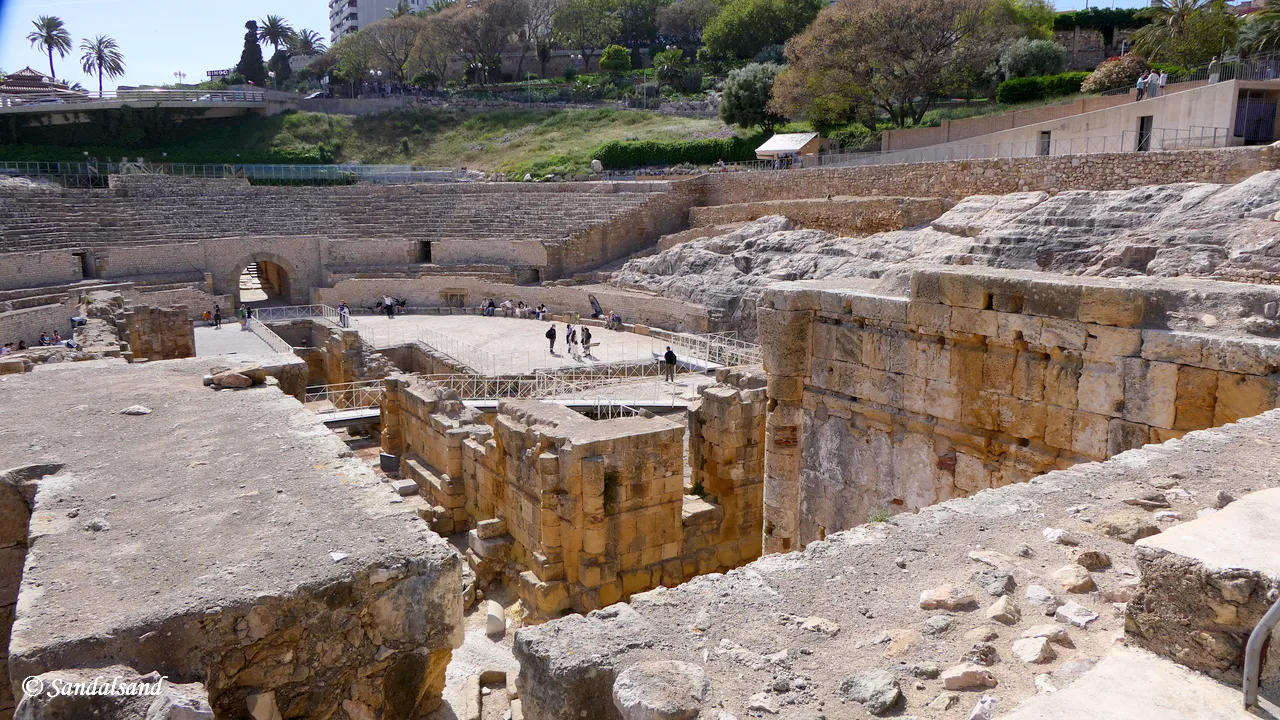
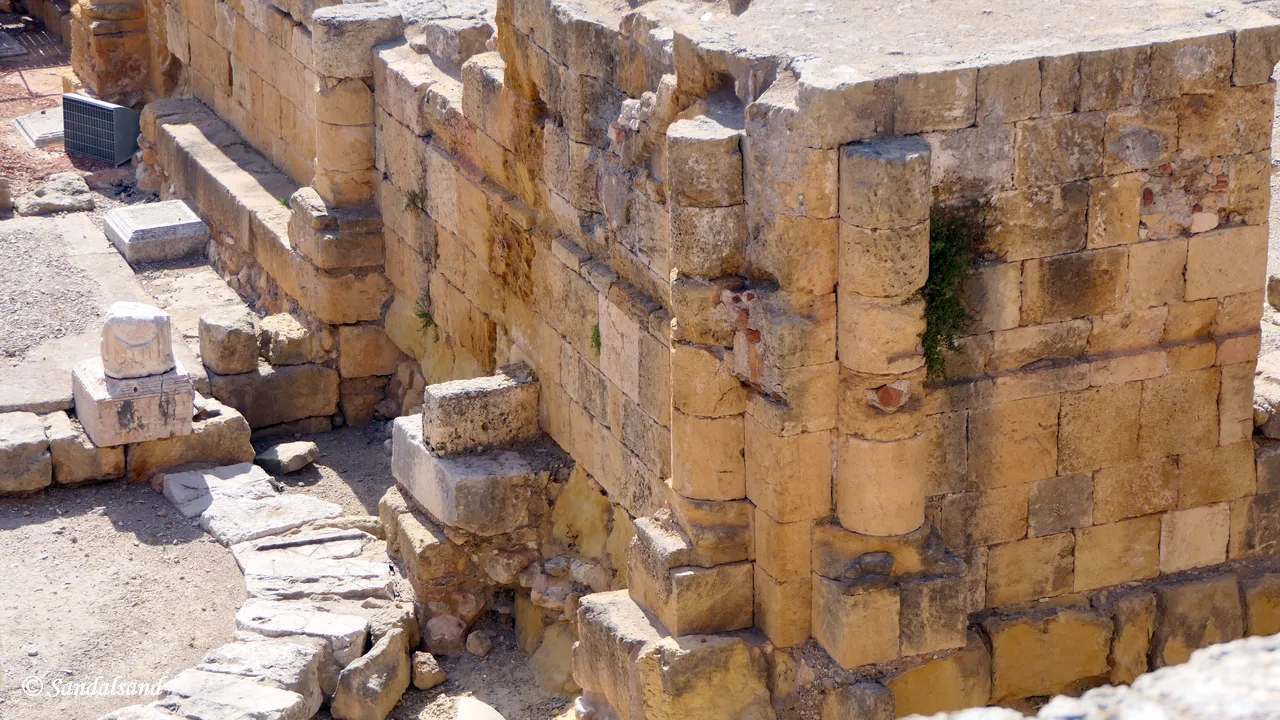
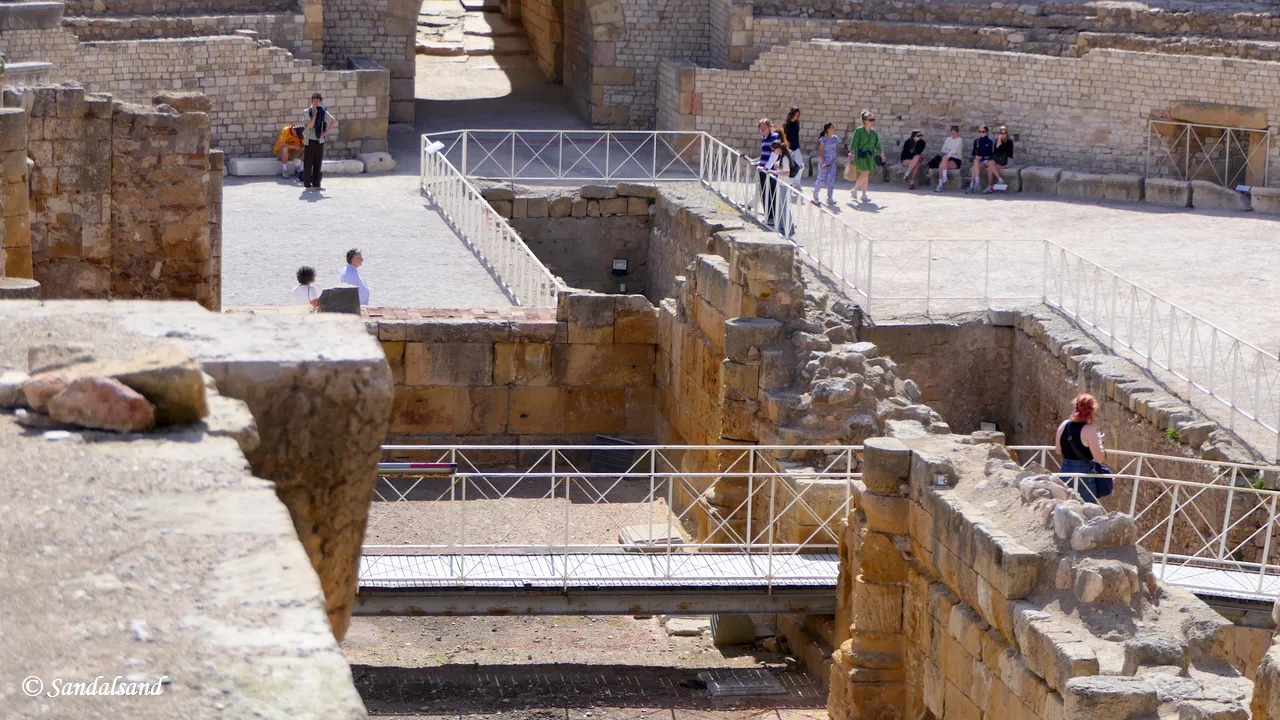
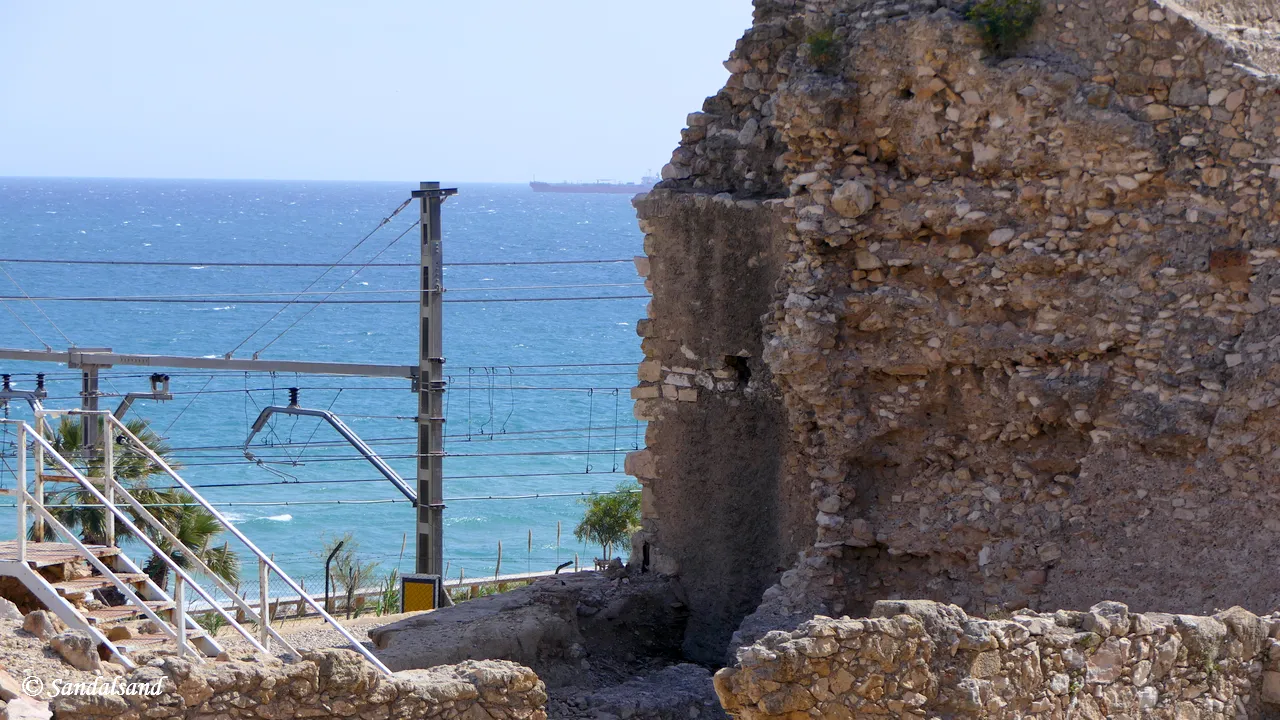
Today, the surviving monuments of Tarraco offer a remarkable insight into Roman urban life. Among them, the amphitheatre has become the city's defining image, its stone terraces overlooking the Mediterranean much as they have for nearly two thousand years. It was here that I chose to concentrate my encounter with Roman Tarragona.

My visit
I was on a road trip through northern Spain in 2026, aiming to connect some of the country's most important towns with its World Heritage Sites. Due to time constraints, and to be quite frank also due to a lack of interest, I chose to skip all but one of the 14 locations of this serial property.
From reviews prior to my trip (for instance this), I had zoomed in on the amphitheatre. It enjoys a superb location right on the seashore, it is big, important and a typical remnant of Roman social life almost two thousand years ago.
The other locations are scattered around the city centre, as well as outside. If you're staying in the area, or have a particular interest in the history of the Roman empire, you may well check them out.
Read more
Find more articles from Spain on Sandalsand. Finally, where is Tarraco (Tarragona)? Zoom in on the map from this road trip in the north of Spain.
