 Sandalsand Norge >>
World Heritage Sites
The UNESCO World Heritage List includes more than a thousand properties of outstanding universal value. They are all part of the world’s cultural and natural heritage.
UNESCO’s World Heritage Centre is responsible for the World Heritage List. The first inscription was in 1978. Since then UNESCO has developed the criteria and added an average of 20-30 sites each year.
It includes 1,248 sites in 170 “States Parties” (countries). A site is categorised as cultural heritage (972 sites), natural (235) or a mix of the two (41 sites).
On this page you will get to learn more about the heritage sites and where they are. Moreover, Sandalsand’s large collection comes on display. There is a four-way path into this collection. First, on a map. Second, in a table. Third, in a video.
Fourth and last, but not least, there are links to articles on Sandalsand which describe each visited site.
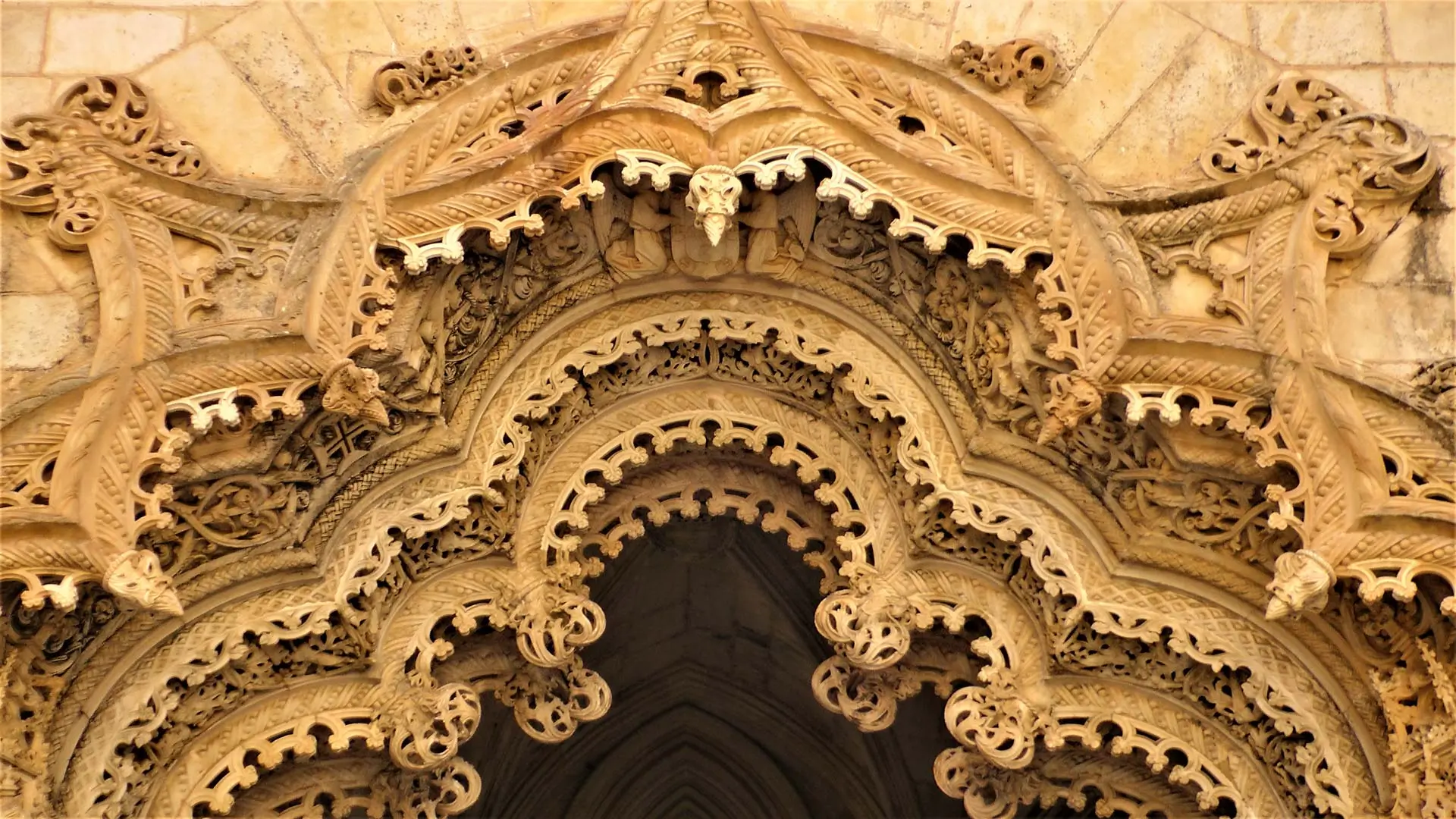
The featured illustration with intricate carvings, is a detail from the Monastery of Batalha, Portugal.
About
Thoughts
Regions
Videos
Map
Table
Posts
About the World Heritage Sites
Properties on the World Heritage List must (a) be of outstanding universal value and (b) meet at least one of the ten selection criteria. UNESCO writes that until the end of 2004, World Heritage sites were selected on the basis of six cultural and four natural criteria.
With the adoption of the revised Operational Guidelines for the Implementation of the World Heritage Convention, only one set of ten criteria exists. All ten criteria are listed below, however Sandalsand has added two headlines (culture and nature) because the set of criteria still relates to two sets.
Culture
(i) to represent a masterpiece of human creative genius;
(ii) to exhibit an important interchange of human values, over a span of time or within a cultural area of the world, on developments in architecture or technology, monumental arts, town-planning or landscape design;
(iii) to bear a unique or at least exceptional testimony to a cultural tradition or to a civilization which is living or which has disappeared;
(iv) to be an outstanding example of a type of building, architectural or technological ensemble or landscape which illustrates (a) significant stage(s) in human history;
(v) to be an outstanding example of a traditional human settlement, land-use, or sea-use which is representative of a culture (or cultures), or human interaction with the environment especially when it has become vulnerable under the impact of irreversible change;
(vi) to be directly or tangibly associated with events or living traditions, with ideas, or with beliefs, with artistic and literary works of outstanding universal significance. (The Committee considers that this criterion should preferably be used in conjunction with other criteria);
The figures below illustrate how many times each Cultural criterion has been assigned. (Most properties score on two or more criteria; hence the large overall numbers.)
(i)
(ii)
(iii)
(iv)
(v)
(vi)
Nature
(vii) to contain superlative natural phenomena or areas of exceptional natural beauty and aesthetic importance;
(viii) to be outstanding examples representing major stages of earth’s history, including the record of life, significant on-going geological processes in the development of landforms, or significant geomorphic or physiographic features;
(ix) to be outstanding examples representing significant on-going ecological and biological processes in the evolution and development of terrestrial, fresh water, coastal and marine ecosystems and communities of plants and animals;
(x) to contain the most important and significant natural habitats for in-situ conservation of biological diversity, including those containing threatened species of outstanding universal value from the point of view of science or conservation.
The figures below illustrate how many times each Nature criterion has been assigned.
(vii)
(viii)
(ix)
(x)
Some thoughts
An inscription on the World Heritage List is generally regarded as an honorary tribute. It will also boost both commercial and preservation activities in or at the site.
Step one is to raise an awareness worldwide to the importance of preserving these sites for future generations. The next step is to do something about it, in other words to set up a conservation plan for the site. The final step is to live by it. These are very demanding tasks for all parties, and there are undoubtedly both economic and culture factors at play here.

UNESCO’s sign is found on many World Heritage Sites. The one pictured here is from Bryggen, in Bergen, Norway.
Some sites have been removed from the list. There have also been controversies between the WHC and a country relating to the future development of the site (like a particular bridge in Germany). Other removals have been obvious because the criteria are no longer met (such as the extinction of a particular bird in Oman).
With these cases in mind, one should note that the WHC operates a list of 56 properties in danger (2024).
Relative distribution of sites
When we look at the full site map, we immediately notice the prevalence of sites in Europe and North America (in reality Europe mostly). Nonetheless, almost the entire world is covered. That is actually no little achievement for the world community.
The following illustrations follow the WHC categorisation of world regions and show the relative distribution of sites.
%
Arab States
%
Africa
%
Latin America and the Caribbean
%
Asia and the Pacific
%
Europe and North America
About Sandalsand’s collection
It could be that “heritage tourism” is spreading along with the eco-tourism trend. Sandalsand has only in later years become conscious of it.
It was never my idea to become a collector of heritage sites, but I have nonetheless been to a large number. In recent years I have become more intent to visit a “world heritage” when I travel. I suppose that may be one of the purposes of such an official list in the first place.
In any case, I am not satisfied that I visited the pleasant town of Weimar in Germany without exploring the examples of Bauhaus architecture. Likewise, I went to the town of Pécs in Hungary without a look at the Early Christian Necropolis. (To my possible excuse: Neither of them was on the List at the time of my visit.)
Sandalsand’s own list of visited sites now counts 226 across 70 countries.
It is a representative summary of UNESCO’s. It covers the world, and the majority are in Europe. Also, it features sites in both (all) categories: 206 cultural, 14 natural, and 6 combined sites.
Read about each site in separate articles. They include:
- The official and my personal descriptions of the site
- A link to the official UNESCO web page
- My photographs or video
- A link to the article(s) describing the context of my visit(s)
The articles offer short introductions to fabulous destinations around the world. Enjoy!
Drag and zoom on the map below to find sites visited by Sandalsand in more detail. Click on a marker to reveal the name and open the article about it. You will find the same links further down this page. Find all WHC sites on another Sandalsand map.
I had my doubts what to do with Liverpool. It was once a World Heritage Site, but was delisted by UNESCO following a controversy with the city authorities. It is my hope it will be re-enlisted some time in the near future, so I have kept the article. However, I removed it from this map as well as from the table below.
Here are the same sites in a table but with less information compared to the map markers above. Show more rows at a time, sort the table as you like, or search for a specific term. Click on a link to open that particular post.
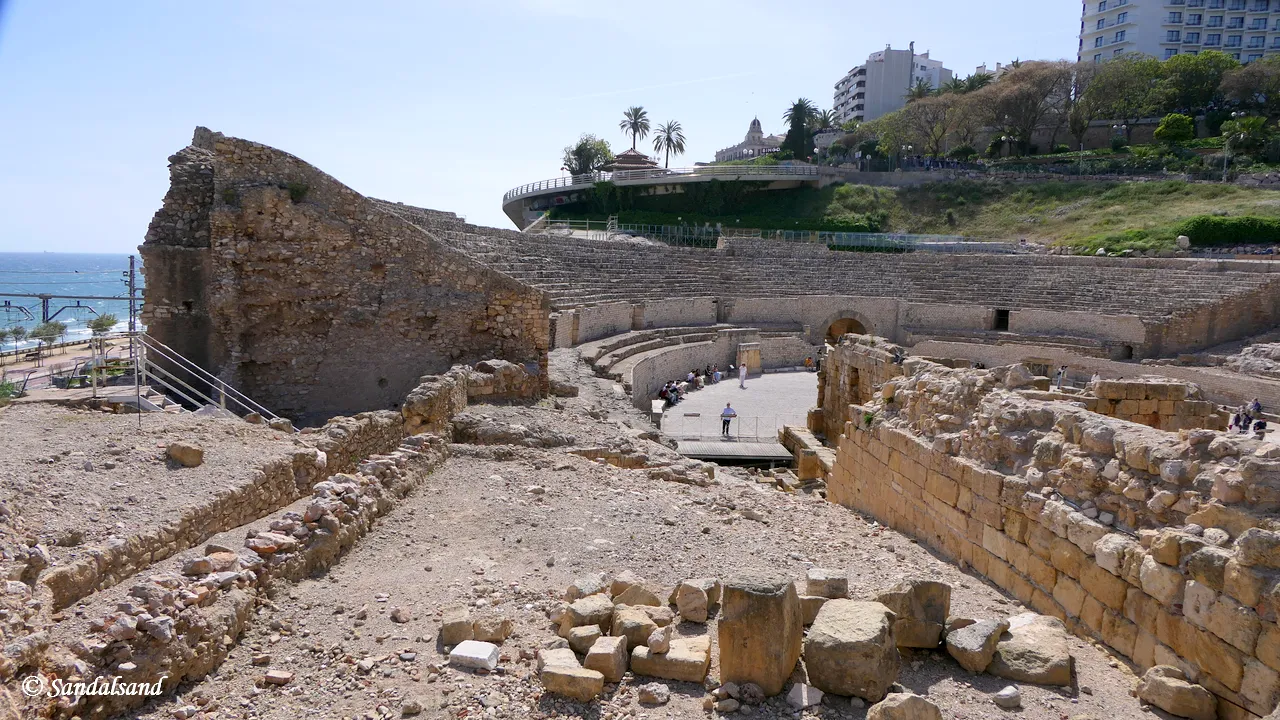
World Heritage #0875 – Archaeological Ensemble of Tarraco
Visit Tarragona’s Archaeological Ensemble of Tarraco, one of Spain’s finest collections of Roman monuments. The UNESCO World Heritage List includes…
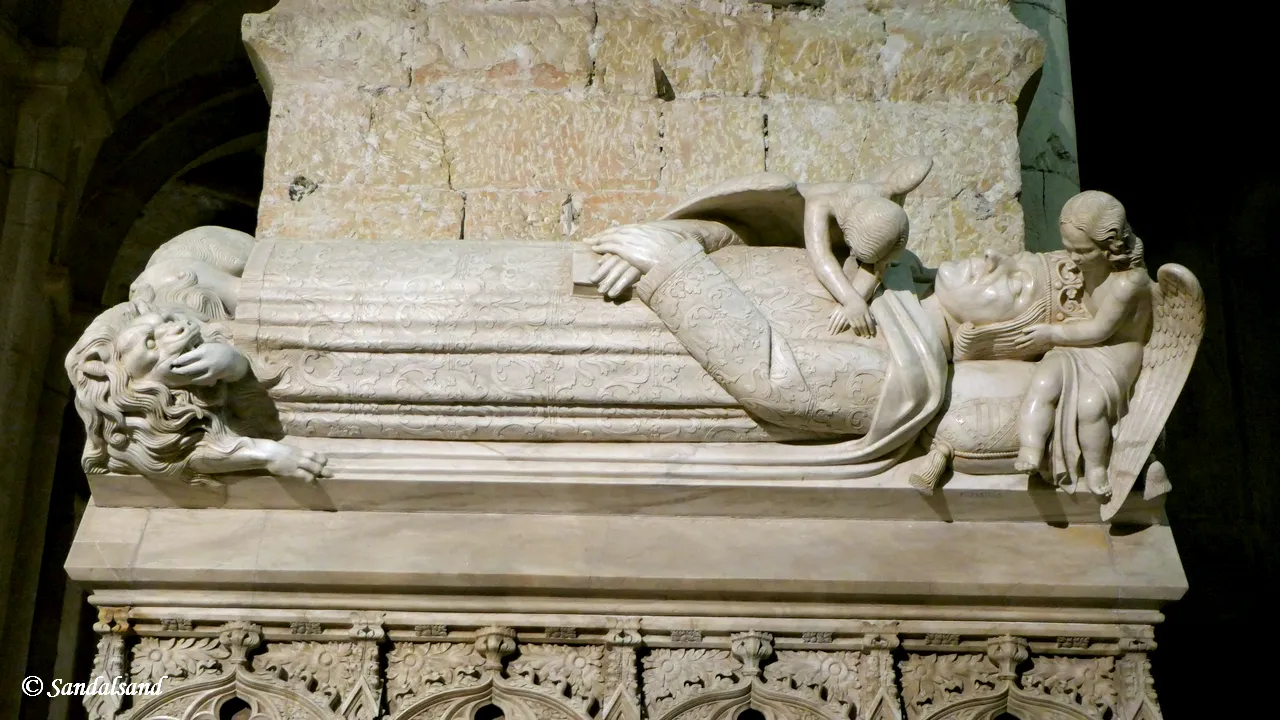
World Heritage #0518 – Poblet Monastery
Discover Poblet Monastery, a fortified Cistercian abbey in Catalonia and the burial place of the kings of Aragon. The UNESCO World Heritage List…
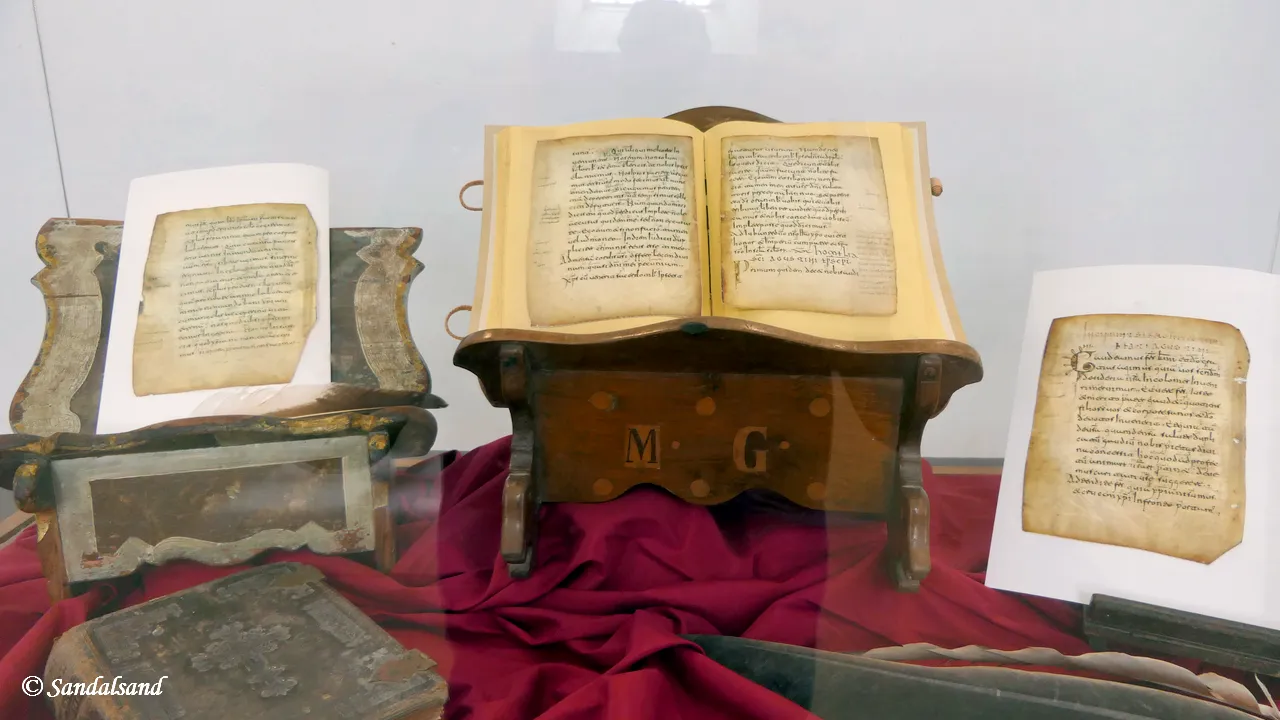
World Heritage #0805 – San Millán Yuso and Suso Monasteries
Explore San Millán de Yuso, the grand monastery in La Rioja that forms part of the birthplace of written Spanish. The UNESCO World Heritage List…
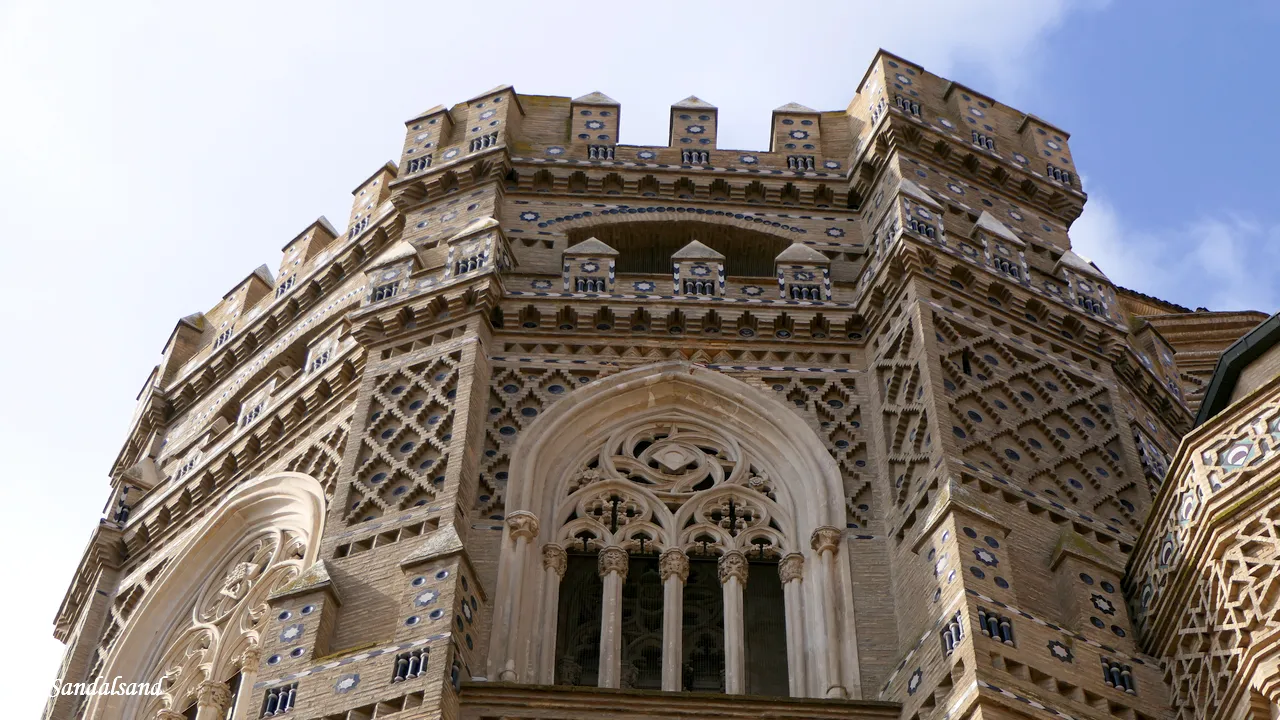
World Heritage #0378 – Mudejar Architecture of Aragon
Discover Aragón’s Mudejar architecture, a unique blend of Islamic and Christian traditions, through two remarkable monuments in Zaragoza. The UNESCO…
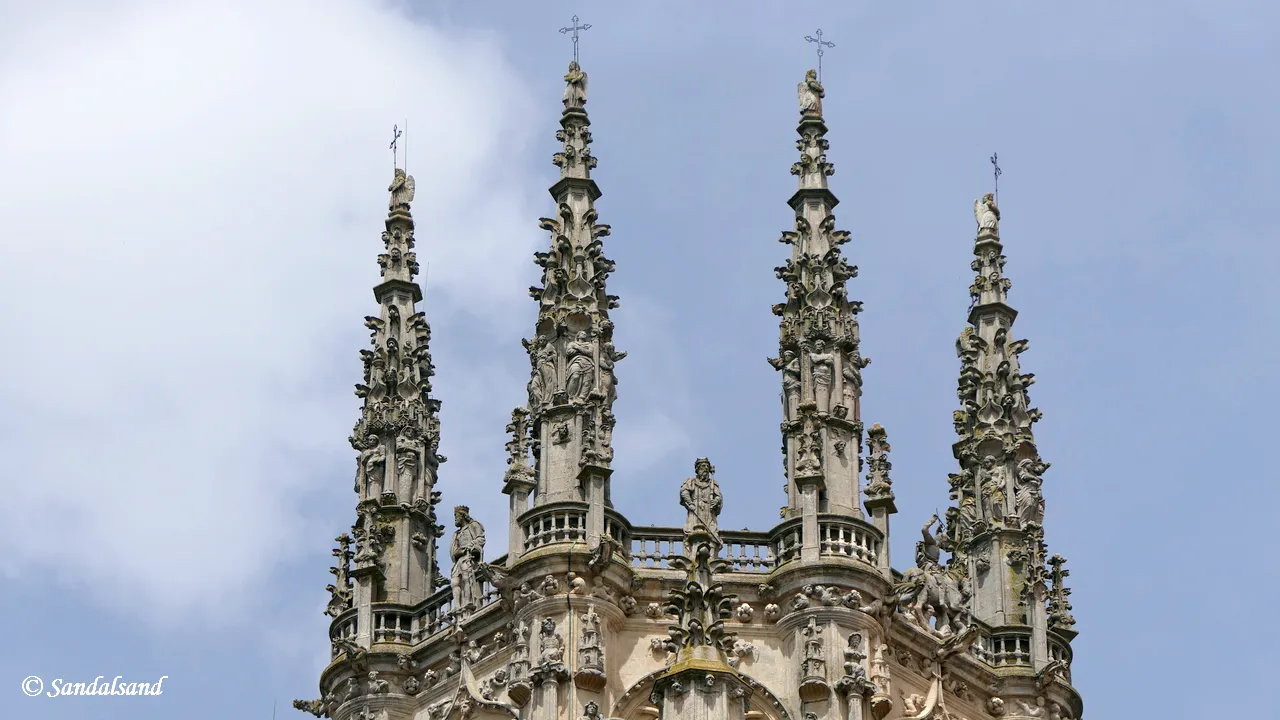
World Heritage #0316 – Burgos Cathedral
The Burgos Cathedral is a monumental Gothic church in Castile renowned for its architecture, chapels and historic significance. The UNESCO World…
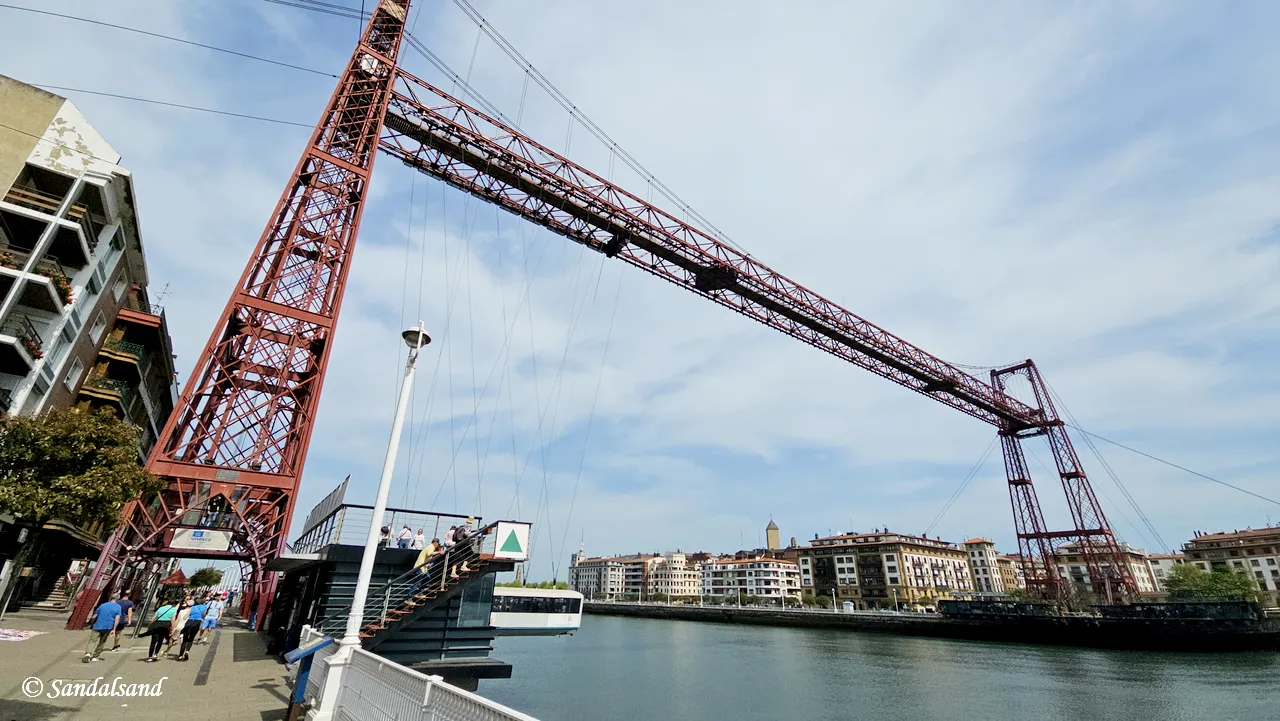
World Heritage #1217 – Vizcaya Bridge
Crossing the historic Vizcaya Bridge near Bilbao, a remarkable nineteenth-century transporter bridge in the Basque Country. The UNESCO World…
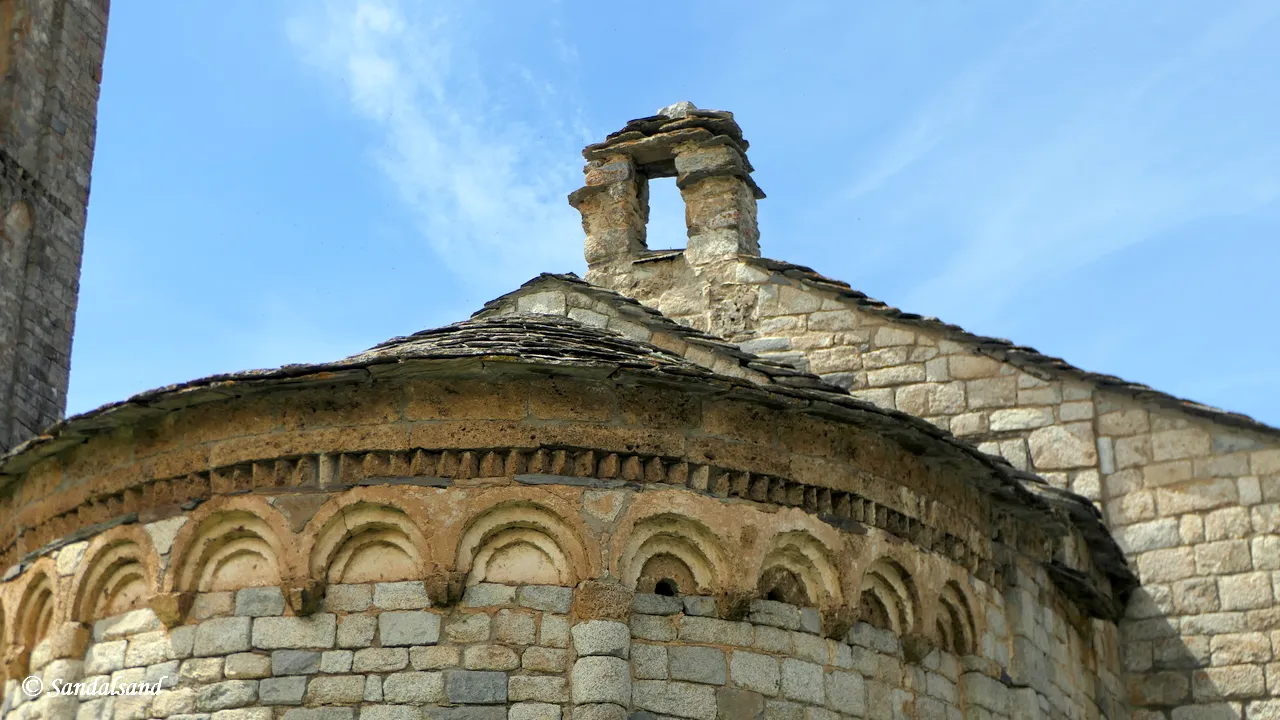
World Heritage #0988 – Churches of the Vall de Boí
The Romanesque churches of the Vall de Boí preserve one of Europe’s finest collections of medieval Catalan art and architecture. The UNESCO World…
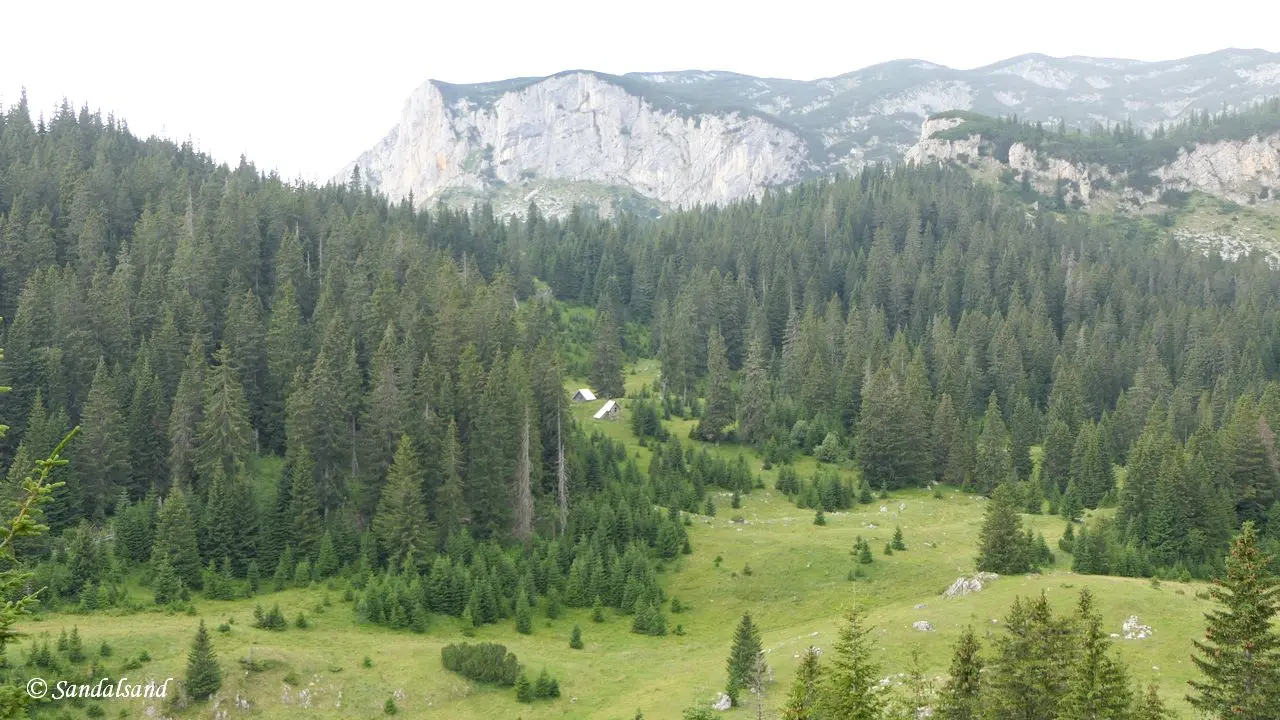
World Heritage #0100 – Durmitor National Park
Discover Montenegro’s Durmitor National Park, a site of towering peaks, deep canyons, glacial lakes, and unspoiled alpine nature. The UNESCO World…
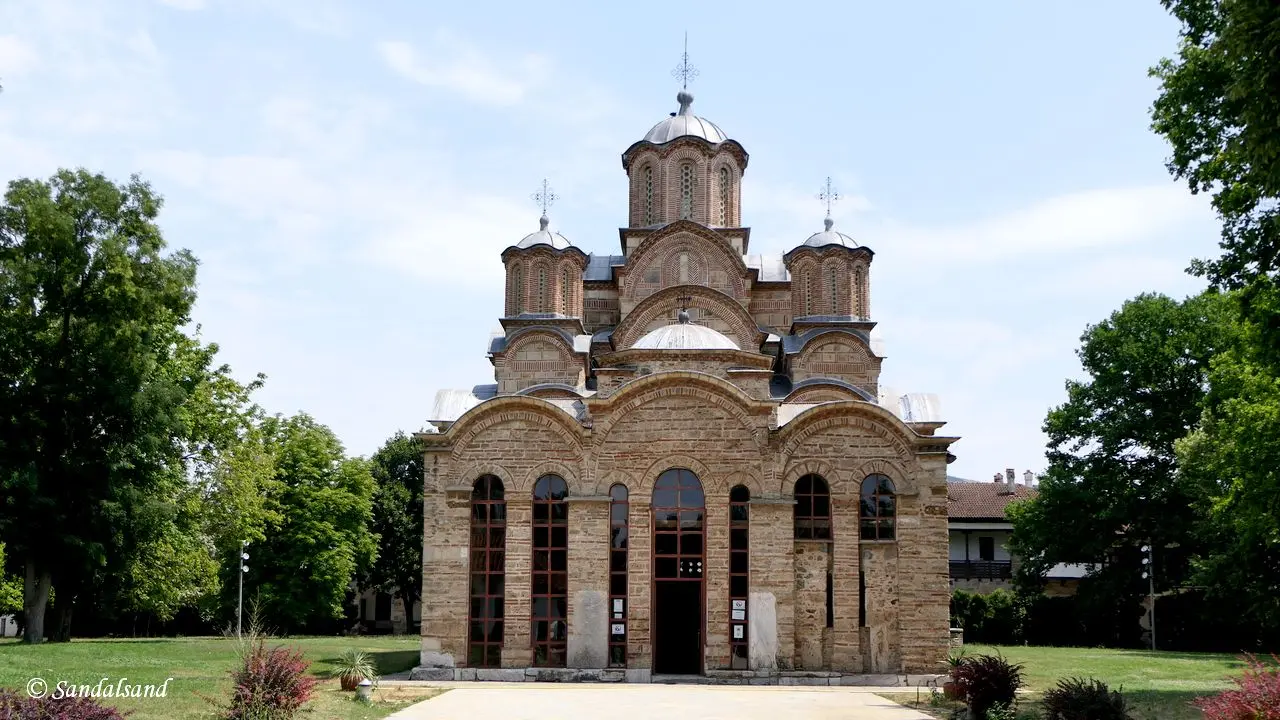
World Heritage #0724 – Medieval Monuments in Kosovo
Kosovo’s medieval monuments are monasteries where Byzantine art, royal heritage, and centuries of faith meet in stone and fresco. The UNESCO World…
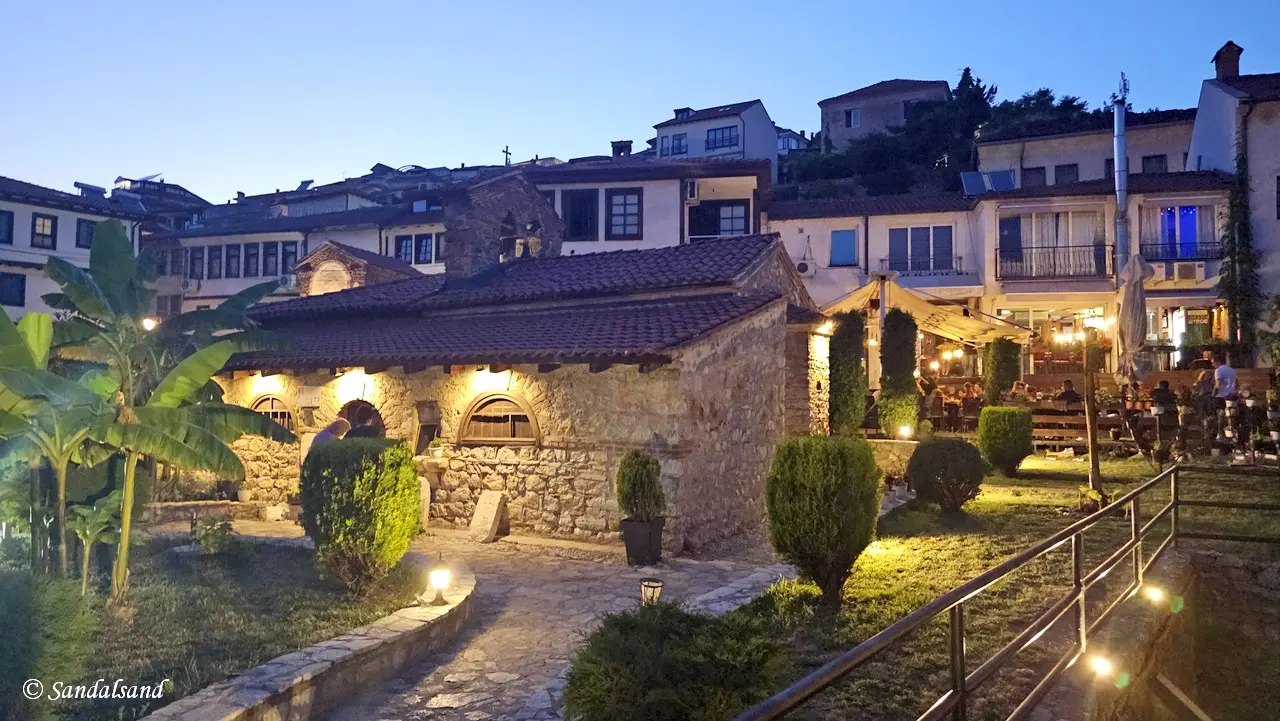
World Heritage #0099 – The Ohrid region
In the Ohrid region we find Europe’s oldest lake, medieval churches, and mountain landscapes united in a harmony of nature and culture. The UNESCO…
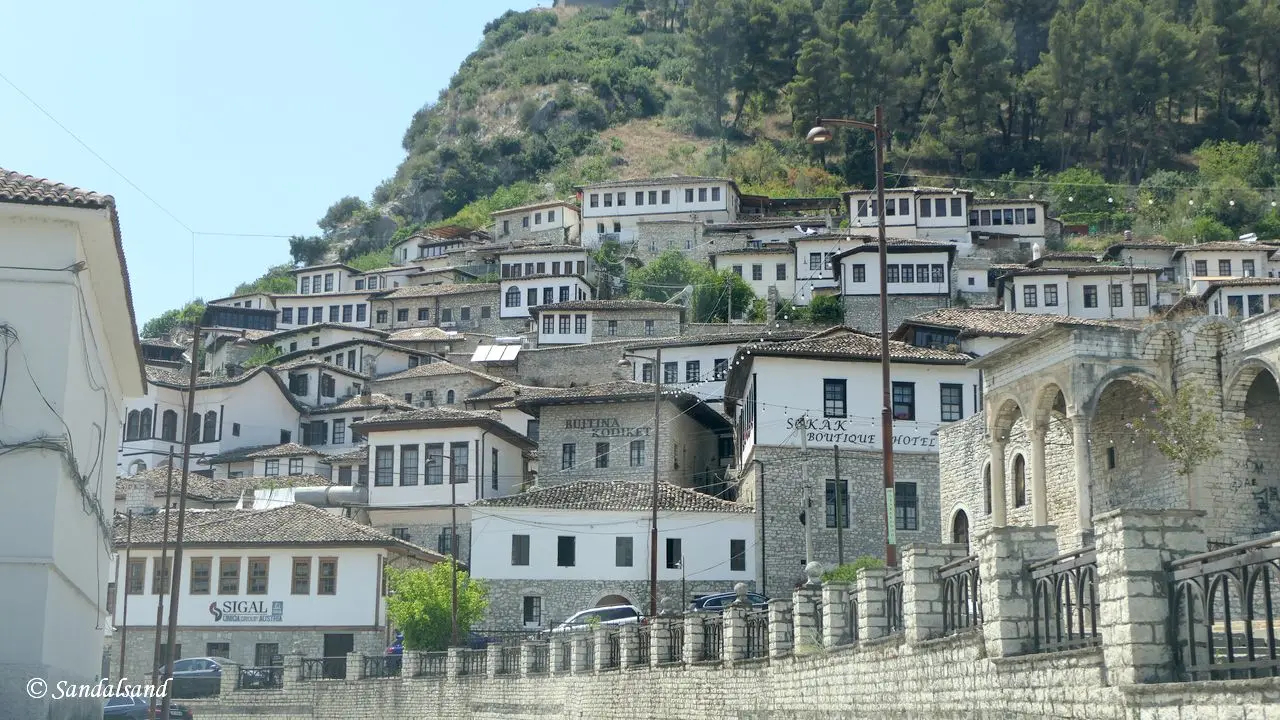
World Heritage #0569 – Historic Centres of Berat and Gjirokastra
Explore Albania’s UNESCO sites Berat and Gjirokastra, where Ottoman houses, stone streets, and hilltop citadels showcase Balkan history and culture….
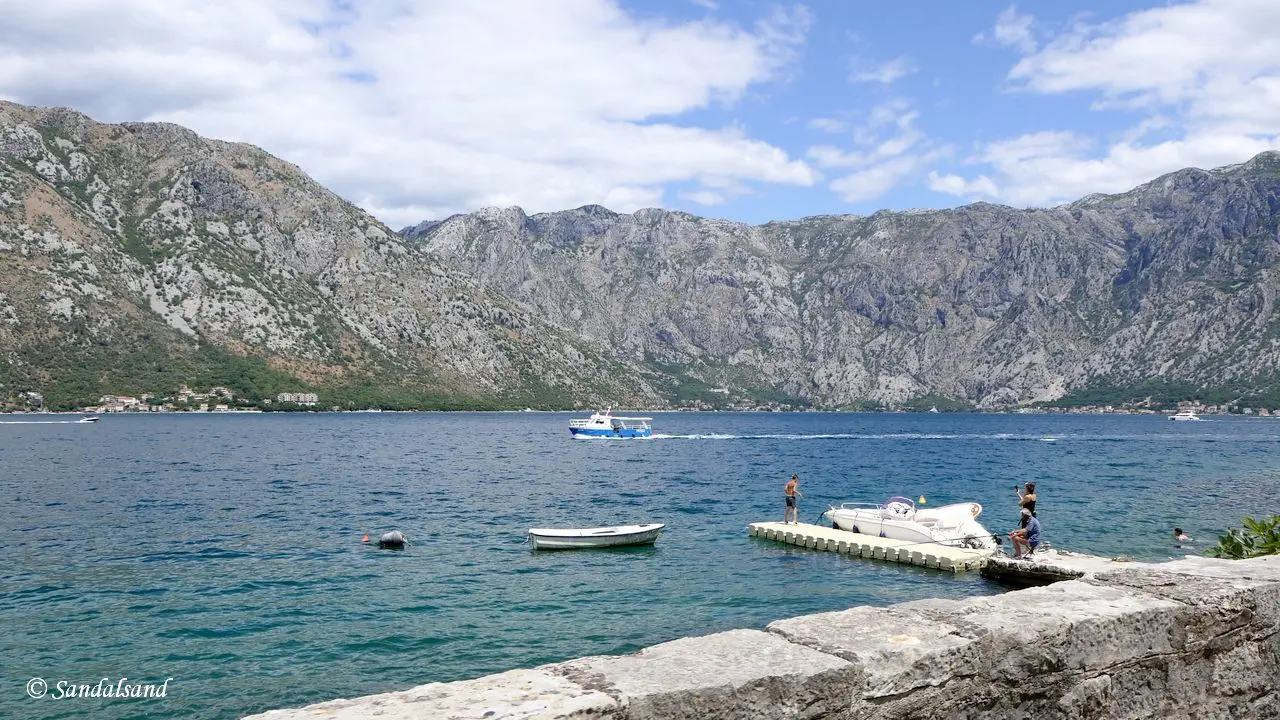
World Heritage #0125 – Kotor Bay Area
Discover Kotor Bay in Montenegro – a stunning blend of natural beauty, medieval towns, and centuries of maritime and cultural heritage. The UNESCO…
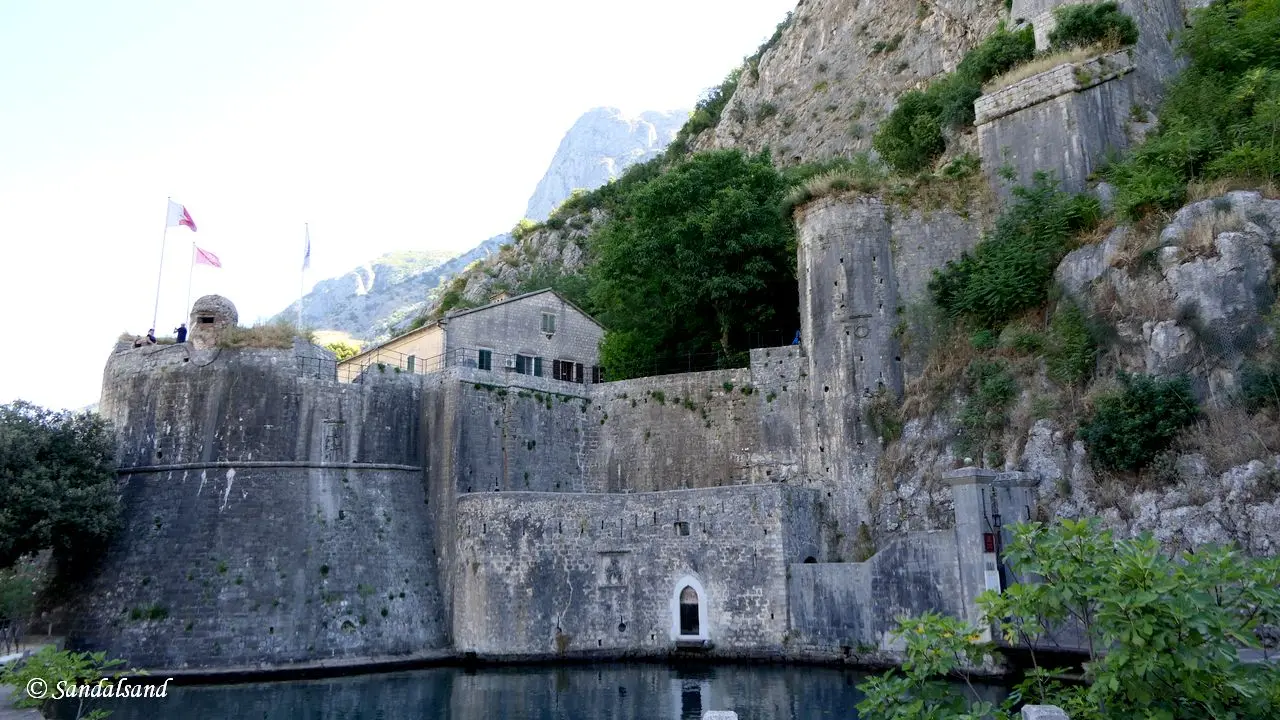
World Heritage #1533 – City of Kotor
Explore the dramatic Venetian fortifications of Kotor, part of a network of 16th-17th century defences across Italy, Croatia, and Montenegro. The…
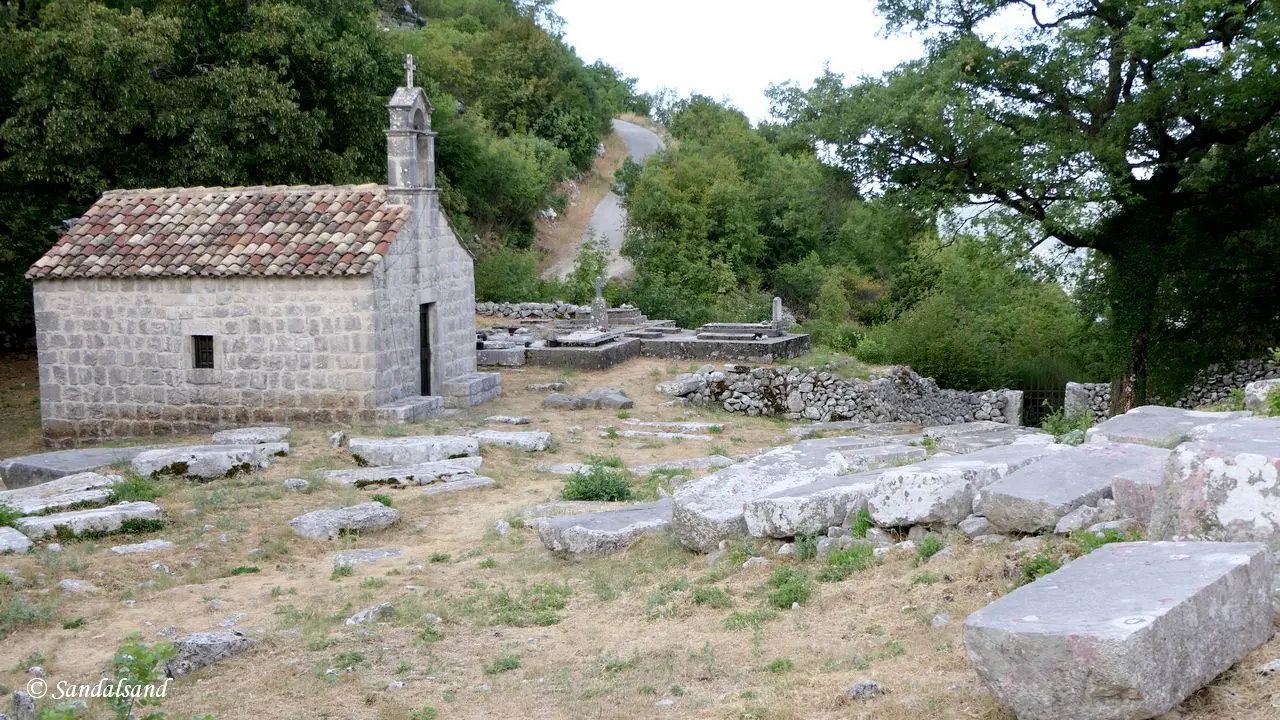
World Heritage #1504 – Stećci Medieval Tombstones Graveyards
The Stećci tombstones are a medieval heritage shared by four Balkan countries, uniting art, faith, and history in unique stone carvings. The UNESCO…
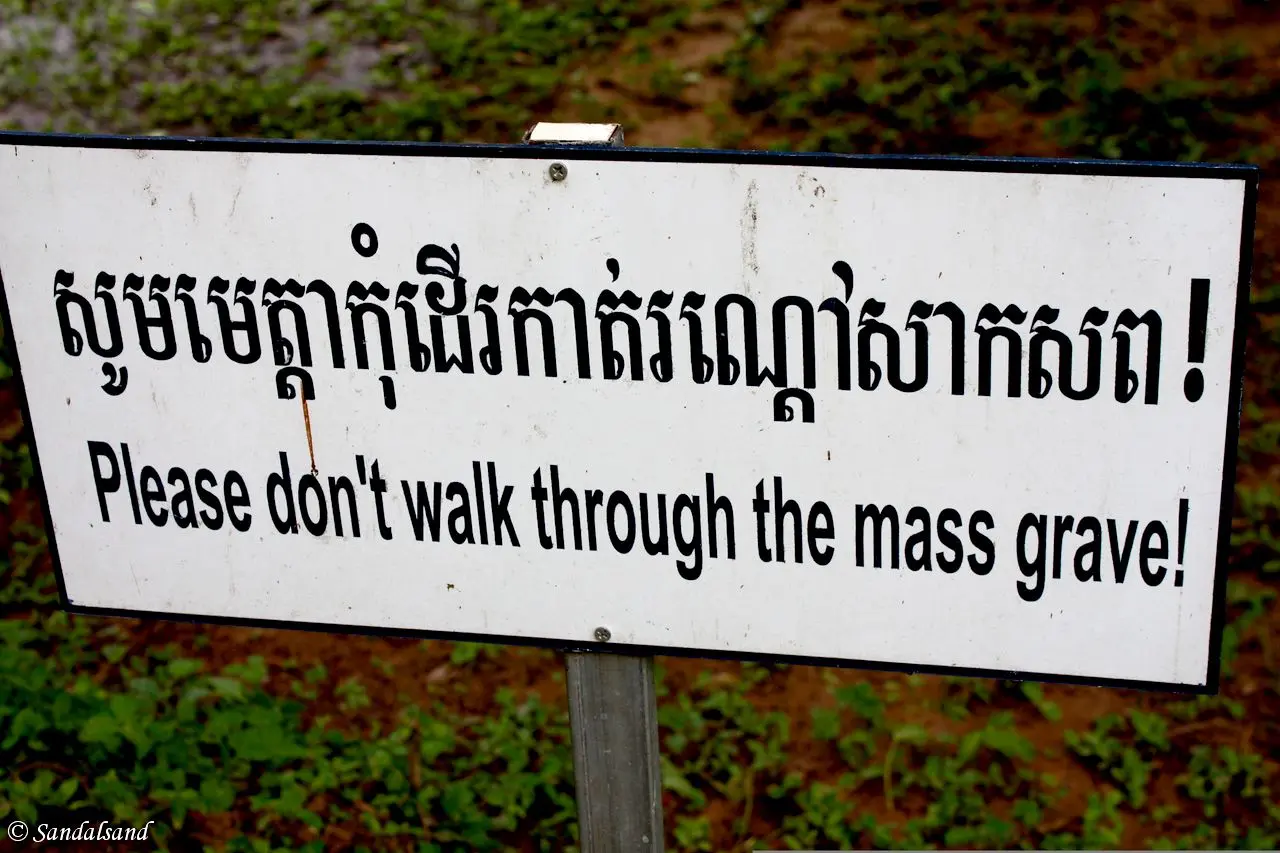
World Heritage #1748 – Cambodian Memorial Sites
UNESCO has added Cambodia’s genocide memorials to its World Heritage List, preserving sites of terror as places of remembrance and peace. The UNESCO…
It is not down in any map; true places never are.
